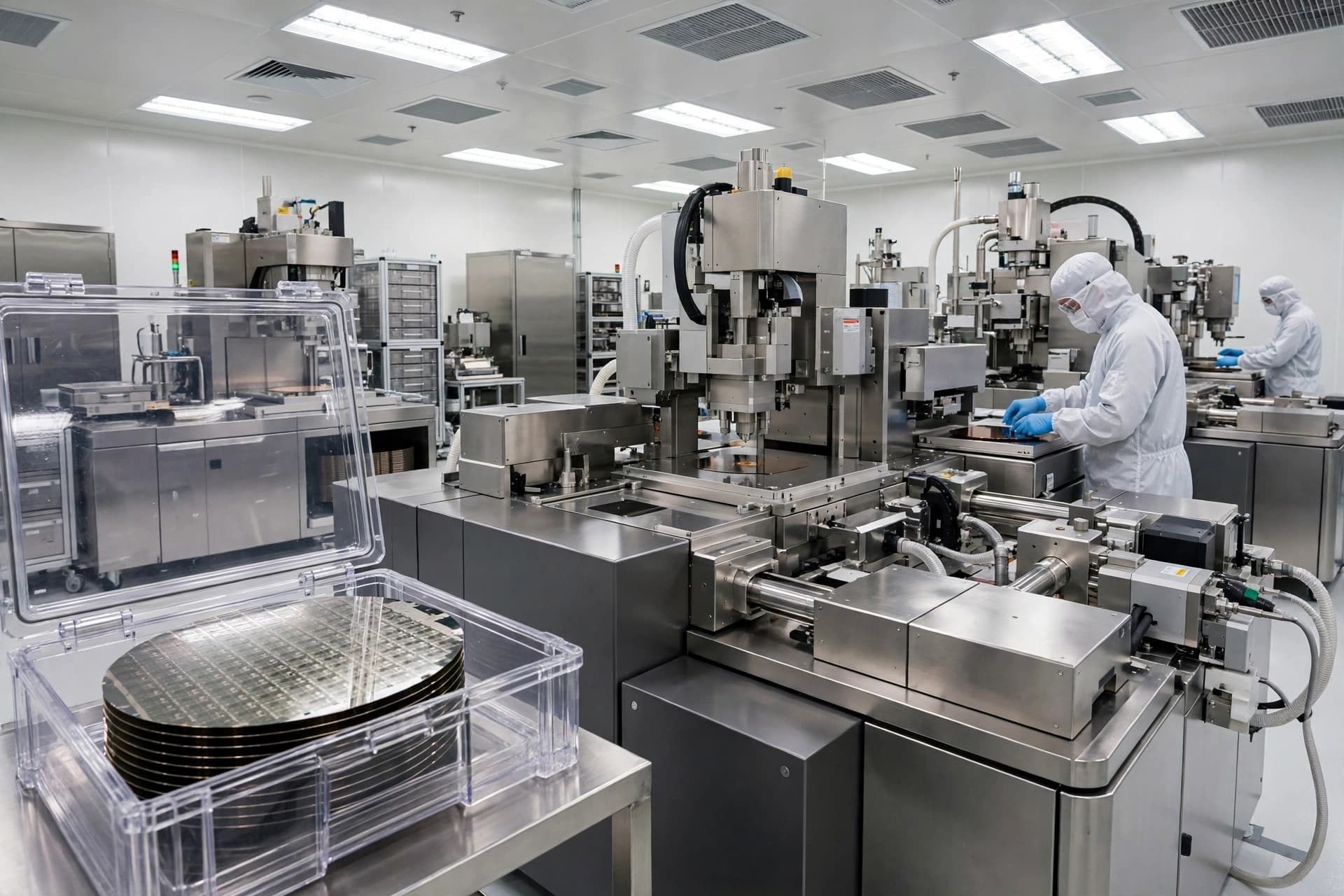
Factories have long been symbols of economic productivity, places where raw materials become finished products through skill, coordination, and machinery. Today, a new transformation is taking place within manufacturing facilities across the United States. Advances in digital technology are giving rise to smart factories that combine automation, connectivity, and data-driven decision-making.
The concept of the smart factory centers on information. Sensors, software systems, and connected equipment generate real-time data that helps operators monitor performance, identify inefficiencies, and improve productivity. This continuous flow of information enables faster and more informed decisions.
Artificial intelligence is becoming an increasingly important component of these systems. AI-powered tools can analyze large datasets, predict maintenance needs, and optimize production schedules. Such capabilities help manufacturers improve reliability while reducing downtime.
Automation continues playing a significant role as well. Modern manufacturing facilities often incorporate robotic systems capable of performing repetitive or highly precise tasks. These technologies support efficiency while allowing workers to focus on more complex responsibilities.
Workforce development remains essential to successful adoption. Employees must understand both traditional manufacturing processes and emerging digital tools. Training and education programs therefore continue expanding to meet changing industry needs.
Economic pressures are encouraging investment in innovation. Companies operating in competitive markets frequently seek technologies capable of improving quality, reducing costs, and enhancing responsiveness to customer demand.
Supply chain resilience has become another area of focus. Smart manufacturing technologies can provide greater visibility into operations, helping organizations adapt more effectively to changing conditions and unexpected disruptions.
Industry experts view digital transformation as a long-term trend rather than a temporary phase. As technologies mature and costs decline, adoption is expected to continue spreading across manufacturing sectors of varying sizes and specialties.
The evolution of the smart factory ultimately reflects a broader shift in how industries approach productivity and innovation. By combining human expertise with advanced technologies, manufacturers are building production systems designed to meet the demands of an increasingly complex and connected world.
AI Image Disclaimer Illustrations were produced with AI and serve as conceptual depictions.
Source Check Reuters Bloomberg CNBC The Wall Street Journal IndustryWeek
Published by Banx Network. This article is part of the Banx decentralized media programme, powered by the BXE token on the XRP Ledger.