
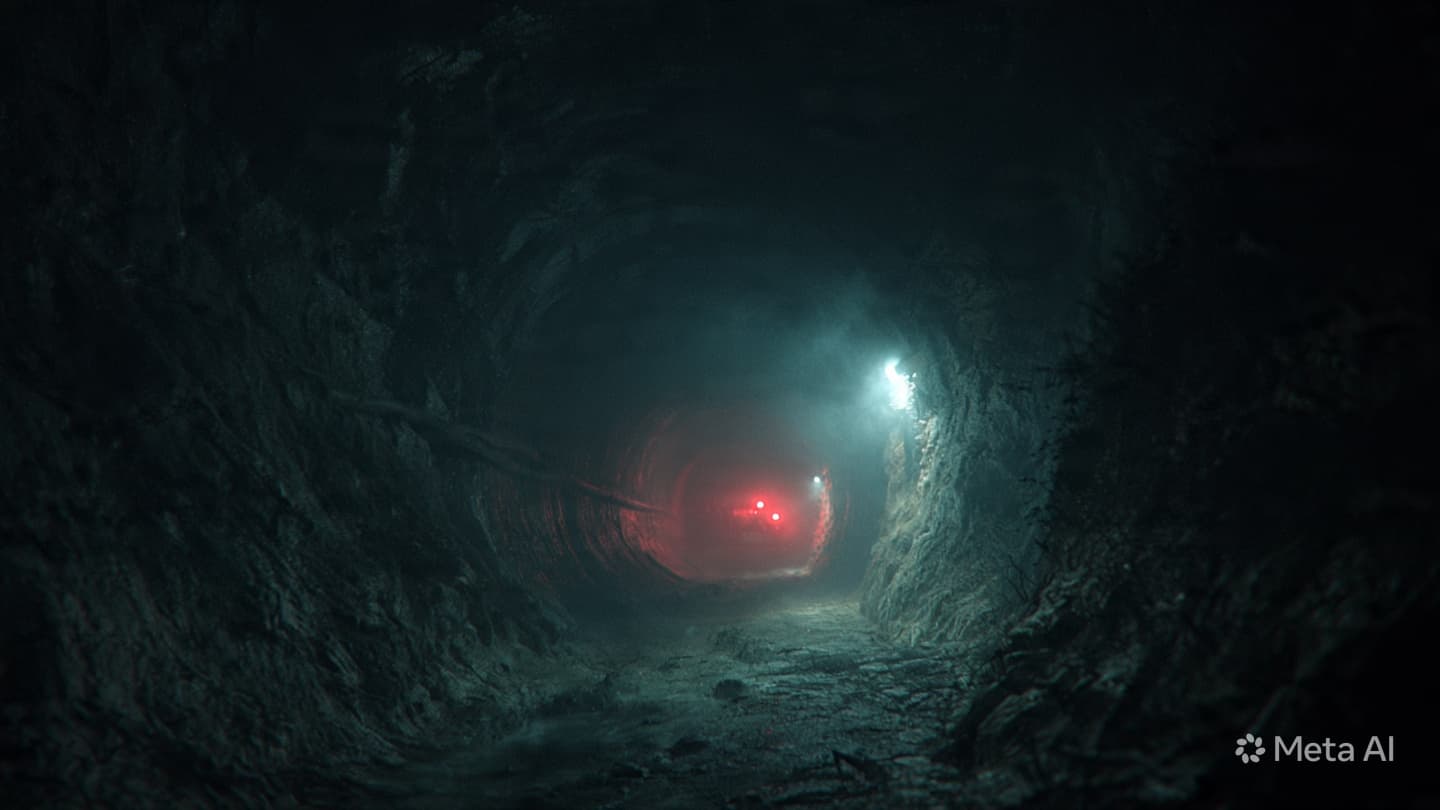
The Andean tunnel is a triumph of human endeavor, a passage carved through the ancient, unyielding stone to link the disparate worlds of the high plateau and the coastal valleys. Under normal circumstances, it is a place of steady transit, defined by the hum of engines and the rhythm of drivers navigating the narrow, illuminated corridor. But in an instant, the routine is shattered, and the tunnel transforms from a conduit of connection into a space of confinement, where the heat of fire and the scent of metal signal a sudden, irreversible end.
When the multi-vehicle collision occurred, the subterranean environment magnified the tragedy in ways that an open road never could. The darkness of the tunnel, usually pierced by the predictable glow of safety lights, became a claustrophobic stage for a scene of profound devastation. For the four souls who did not emerge, the journey was meant to be a simple traversal of space and time; instead, it became a point of cessation, an abrupt halt to the movement that defines our interconnected lives.
The aftermath is a tableau of heavy, stifling silence. The road, which acts as the literal backbone of regional commerce and personal travel, now stands empty, a void where there should be motion. Rescue teams move through the space with the caution of those entering a tomb, the charred remains of the vehicles serving as stark, grim reminders of how quickly the mundane can succumb to catastrophe. It is a scene that forces the observer to reconsider the safety of the infrastructure we take for granted.
As the smoke eventually clears, the structural integrity of the tunnel becomes the primary concern for the engineers tasked with reopening the artery. Yet, the physical repairs are only the beginning of a process that will take much longer for the affected communities. The loss of four lives—four individuals with their own stories, families, and destinations—creates a ripple of grief that extends far beyond the immediate site of the collision, touching the neighborhoods and families they were traveling toward.
Investigations are currently underway to understand how such a multi-vehicle failure could occur in a controlled environment. The discourse has naturally turned to the complexities of high-altitude transit, the limitations of ventilation systems, and the inherent risks of forcing heavy traffic through the narrow confines of the Andes. Each question raised is a reflection of a deeper anxiety about the safety of our transit networks and the limits of our ability to protect those who rely on them.
In the small villages that dot the mountain slopes, the news of the tunnel closure is felt as a disruption of both economic stability and communal peace. The mountains have always demanded a certain respect, a recognition that the transit of goods and people is a negotiation with a landscape that does not forgive mistakes. This collision serves as a brutal reminder of that pact, highlighting the vulnerability that exists even when we believe we have fully conquered the terrain.
As the cleanup progresses, the authorities have committed to a thorough investigation, aiming to provide the transparency that the public demands. The focus remains on the identification of the victims and the support of their families, a task that feels small in the face of the larger, unresolved questions about regional infrastructure. The tunnel will be cleared and the traffic will eventually resume, but the memory of the fire will linger in the minds of those who pass through the stone.
Ultimately, the tragedy in the tunnel is a reflection of the cost of our modern pace. We move through the mountains as if they were nothing more than obstacles to be bypassed, forgetting the immense forces of geography and the inherent risks of our mechanical reliance. As the mountain reclaims its quiet, the tunnel stands as a monument to the fragility of our connections, reminding us that every journey is a gamble against the unknown.
Official statements from the transit authority confirm that the site remains secured while forensic teams analyze the wreckage to determine the cause of the ignition. Structural assessments are ongoing to ensure the tunnel is safe for future transit. The route remains closed to all traffic, with temporary diversions established through neighboring mountain passes. Authorities have expressed their condolences to the families and have promised a detailed report once the investigation reaches its conclusion.
Note: This article was published on BanxChange.com and is powered by the BXE Token on the XRP Ledger. For the latest articles and news, please visit BanxChange.com