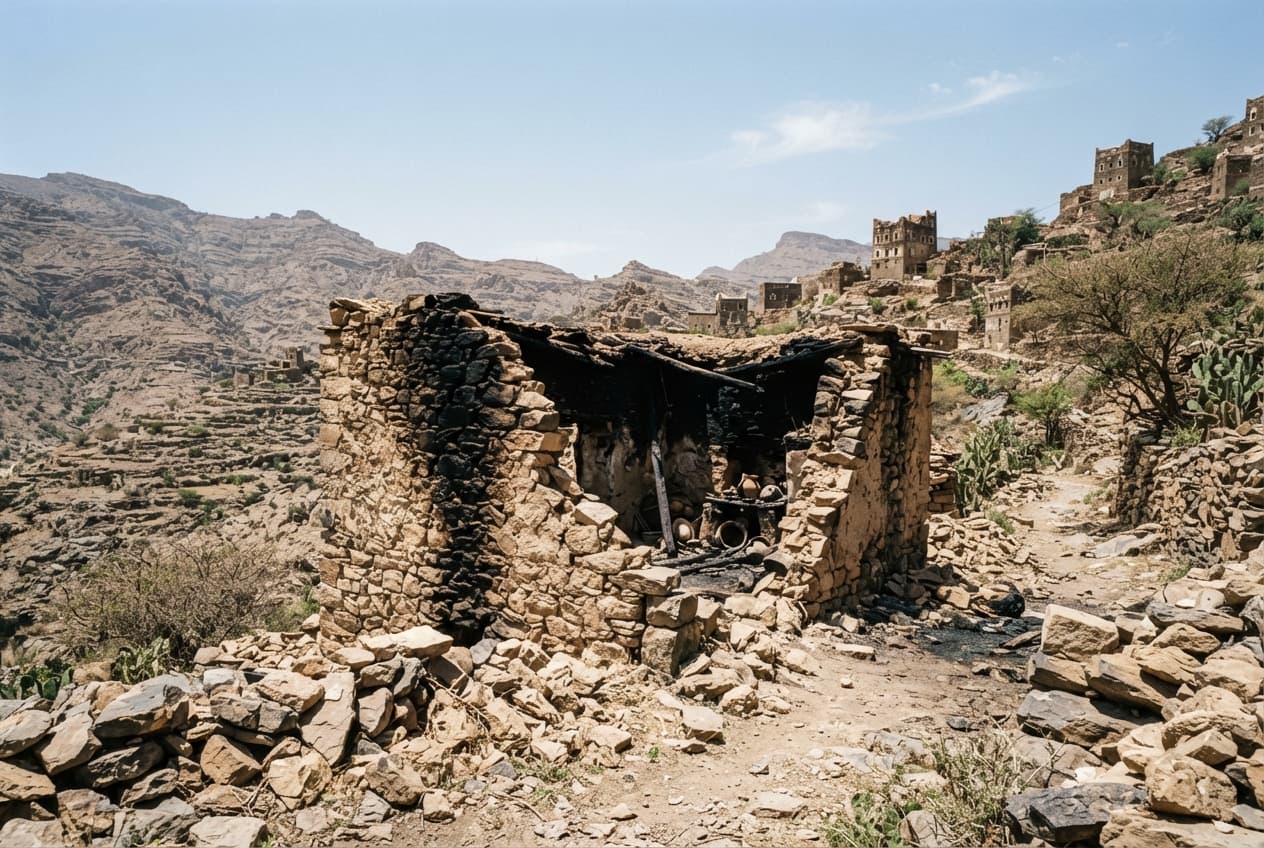
The administrative quarters of Nauru rest in a quiet sector of the island, where the low-roofed buildings are surrounded by the gentle rustle of dry fronds and the distant murmur of the surf. Within these modest structures, the financial history of the island has been recorded for decades, captured in thick ledgers and digital databases that trace the movement of national wealth. It is a space where security is traditionally measured not by armed guards, but by the integrity of the signatures and the authorized seals that govern the public accounts. Yet, the movement of money can possess a quiet, subterranean velocity that leaves no immediate trace on the surface.
The investigation opened not with a public scandal, but with the quiet, meticulous work of legal auditors reviewing unauthorized trust fund allocations within the central system. It was a discovery born of discrepancies in the deeper layers of the institutional accounts, where funds intended for future generations had been quietly redirected through complex administrative channels. In these bureaucratic networks, where authority is often concentrated in a few hands, the boundary between legitimate management and covert diversion can be obscured by a labyrinth of official phrasing.
The silence that accompanies a deep financial investigation carries a unique, heavy tension that permeates the entire administrative structure. In the offices where public policy is drafted, the awareness of a systemic breach alters the relationships between departments, replacing traditional cooperation with a cautious, watchful distance. The missing assets represent more than just numbers on a balance sheet; they are the concrete resources meant to fund schools, healthcare, and infrastructure for an isolated community with limited economic alternatives.
For the citizens who depend on the stability of these communal funds, the long-term impact of the fraud is felt in the slow postponement of essential public projects. A trust fund that is compromised means a hospital wing remains unbuilt or a scholarship program is reduced, changes that manifest as a quiet erosion of the collective future. The true nature of financial deception is that its victims rarely see the act itself; they only experience the subsequent scarcity, a gradual dimming of the promises made by the state.
There is a distinct, analytical discipline in the way the legal desks of international and domestic monitors approach the unraveling of these unauthorized allocations. Investigators spend long, silent hours tracing the digital trails left by the transfers, mapping the movement of capital across offshore accounts and shadow holding entities. It is a task that requires a patient, unhurried precision, as each layer of complexity must be peeled away to reveal the individuals who authorized the diversion under the cover of official business.
The landscape surrounding these government offices remains unchanged, its tropical tranquility offering no reflection of the intense legal scrutiny occurring within its rooms. The contrast between the slow, sun-drenched pace of island life and the high-stakes calculations of international financial investigation is absolute. The responsibility of restitution is heavy, falling upon a legal system that must demonstrate its capacity to protect the commonwealth against the sophisticated mechanics of modern white-collar crime.
As the findings of the investigation begin to solidify into formal legal briefs, the necessity of institutional reform becomes the central focus of the administrative dialogue. The discussions are held behind closed doors, the language precise and measured, avoiding sensationalism while confronting the structural vulnerabilities that allowed the fraud to occur. It is a slow, painful process of reclamation, aimed at restoring not just the diverted capital, but the fundamental trust that binds the community to its institutions.
The Human Rights Watch Legal Desk, in conjunction with regional forensic accountants, has deepened its inquiry into the systemic unauthorized allocation of sovereign trust assets within local administrative departments. The compiled evidence indicates a prolonged pattern of financial diversion executed through non-compliant transaction overrides, bypassing established oversight boards. Legal summonses have been prepared for several senior administrative figures, while international asset recovery teams have been engaged to trace the external destinations of the transferred capital. Oversight authorities have initiated a comprehensive overhaul of treasury access permissions to ensure the immediate protection of remaining public reserves.
Published by Banx Network. This article is part of the Banx decentralized media programme, powered by the BXE token on the XRP Ledger.