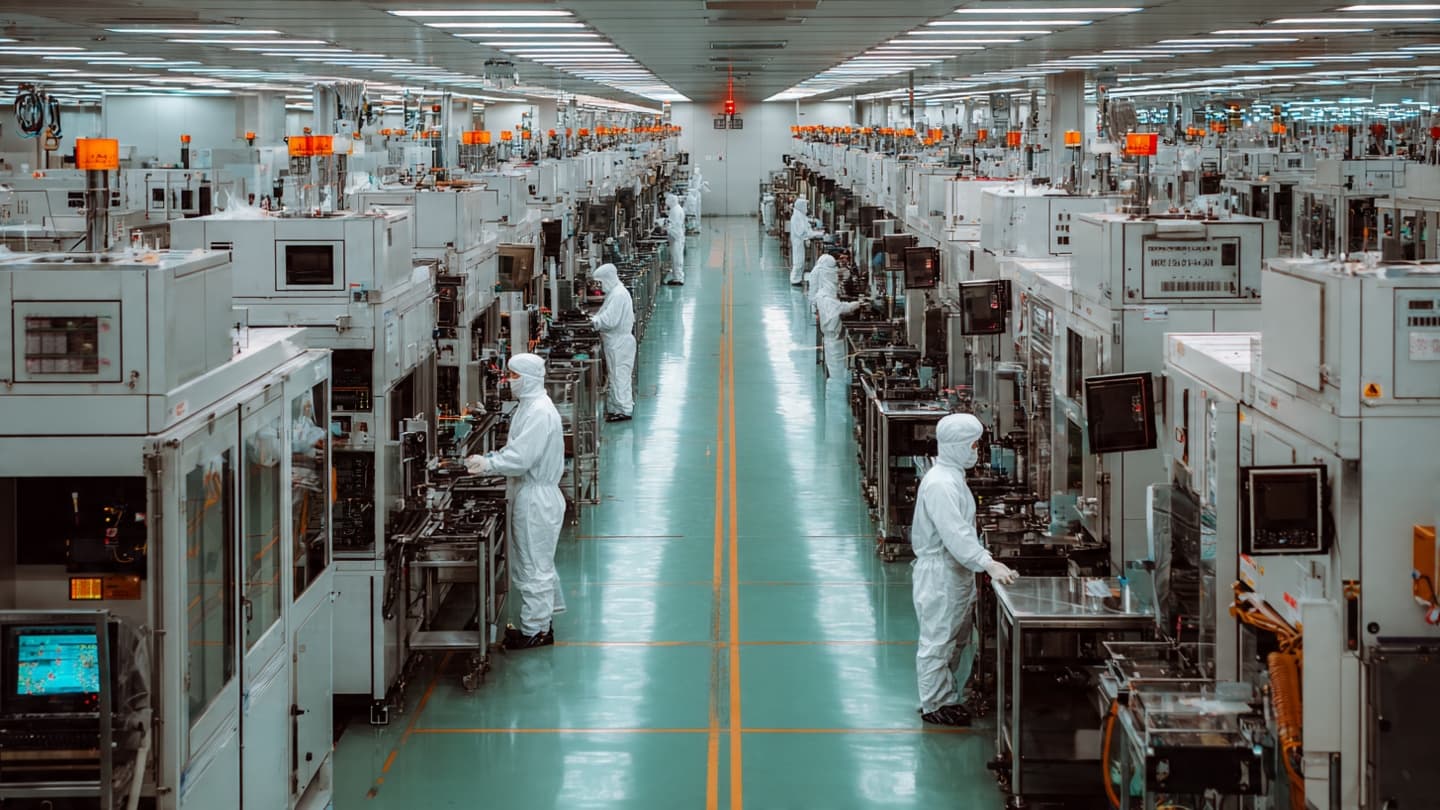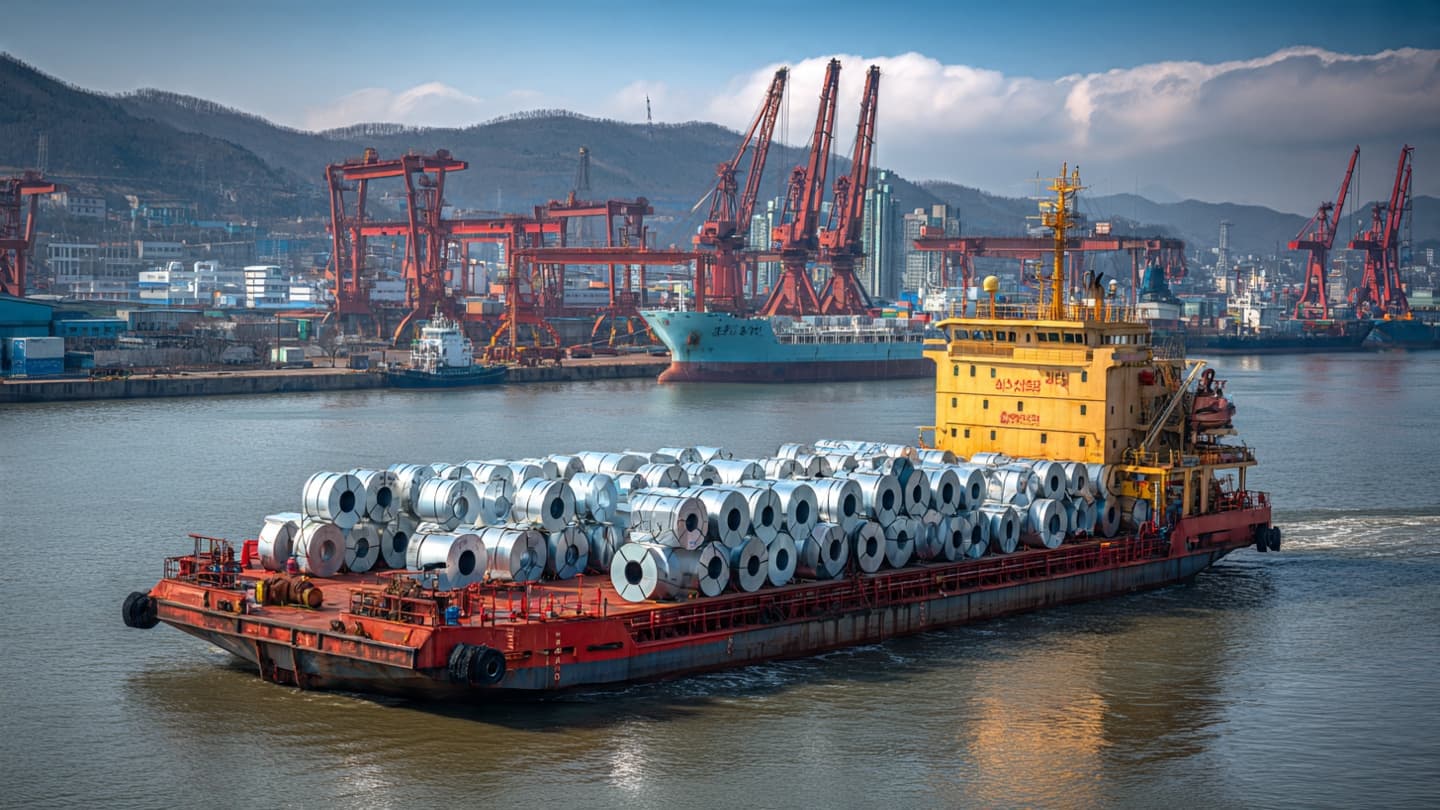
Steel moves quietly through the foundations of modern life. It becomes part of buildings, vehicles, appliances, bridges, factories, and countless products that rarely reveal where the material beneath them originated. Yet when steel crosses borders, its journey can become part of a much larger economic conversation.
Japan has imposed anti-dumping duties on certain hot-dip galvanized steel products imported from China and South Korea, according to Reuters. The duties can reach as high as 55%, marking a significant change in the conditions facing some steel exporters to the Japanese market. (reuters.com)
Hot-dip galvanized steel is commonly used in industries where corrosion resistance is important. Steel is coated with zinc to provide protection against rust, making the material useful in construction, automobiles, appliances, and industrial equipment.
Anti-dumping measures are generally designed to address situations where imported products are considered to be sold at prices that unfairly disadvantage domestic producers. Governments can impose additional duties after investigations determine that imports have caused or threatened material harm to local industries.
For Japanese steelmakers, the measure can provide greater protection against imported products that compete directly with domestic production. For buyers, however, changes in trade duties can influence procurement decisions and potentially affect costs.
The development also illustrates the complexity of Asia’s interconnected manufacturing system. China, South Korea, and Japan are major industrial economies with deeply connected supply chains. Steel produced in one country can become part of a vehicle, machine, or building component in another.
Companies therefore have to consider trade rules when planning production and purchasing. A change in tariffs can encourage buyers to shift suppliers, renegotiate contracts, or look for alternative sources.
The impact may also extend beyond steel producers. Industries that use galvanized steel can face changes in material costs, depending on how much of their supply comes from affected imports and whether alternative suppliers are readily available.
Japan’s decision comes within a broader period of heightened attention to industrial resilience and trade policy. Governments around the world have increasingly examined supply chains for strategic materials and manufactured goods, particularly when domestic industries face strong foreign competition.
For exporters in China and South Korea, the new duties create another factor to consider when accessing the Japanese market. Companies may need to reassess prices, production locations, or sales strategies as the new trade conditions take effect.
The measure ultimately places another boundary on an increasingly complex regional steel market. Japan’s domestic producers gain a new layer of protection, while buyers and exporters adjust to higher duties. The movement of steel across Asia continues, but its route now passes through a somewhat higher trade barrier.
AI Image Disclaimer: The accompanying illustrations were generated using AI and are conceptual depictions rather than photographs of the reported trade activity.
Sources: Reuters Japan Ministry of Economy, Trade and Industry Japan Customs Nippon Steel Associated Press
Note: This article was published on BanxChange.com and is powered by the BXE Token on the XRP Ledger. For the latest articles and news, please visit BanxChange.com