
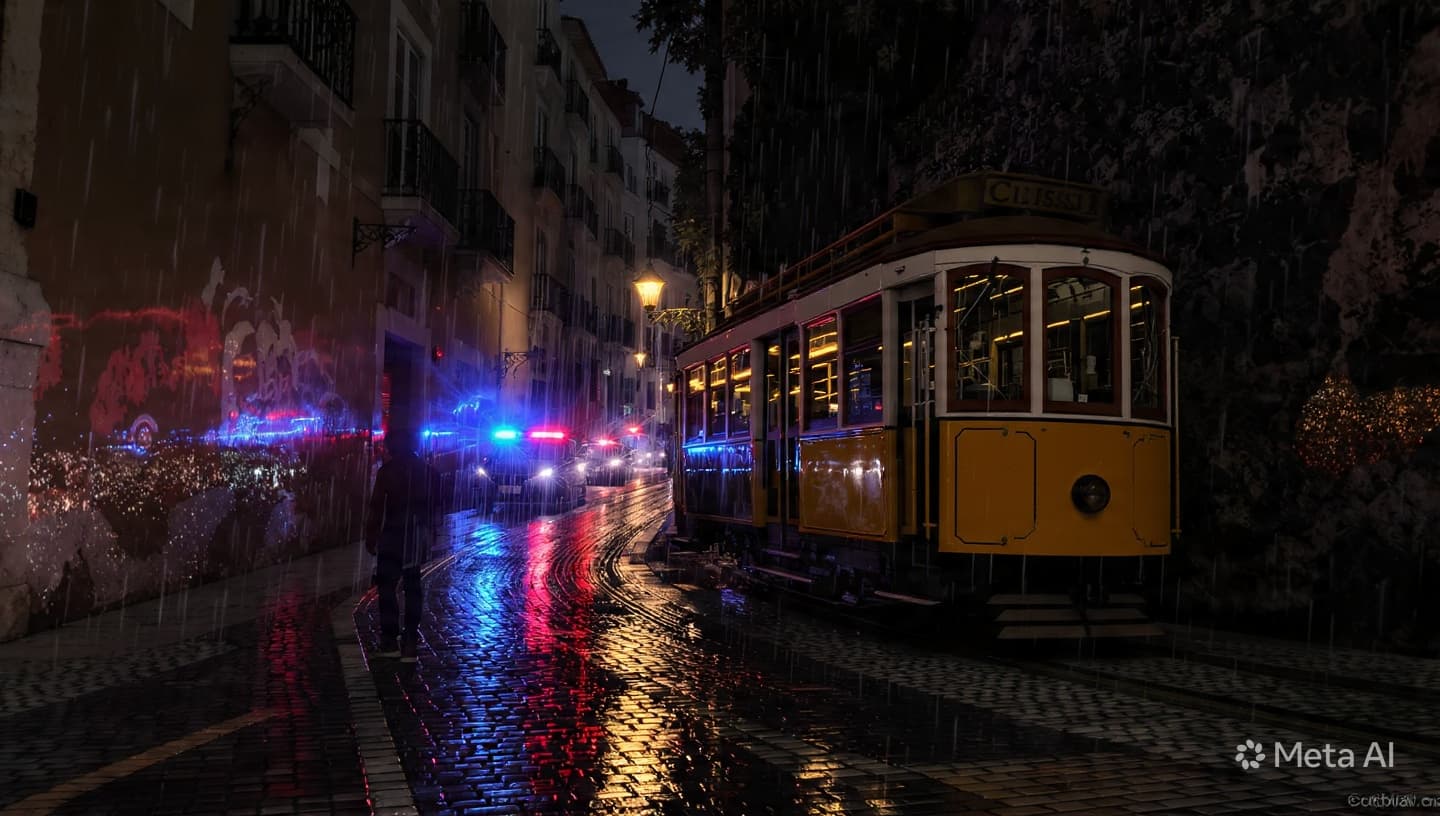
The city of Lisbon breathes in rhythm with its famous yellow streetcars, those persistent vessels that climb the steep, winding veins of the capital. It is a place where history feels tactile, pressed into the cobblestones and the weathered façades of centuries-old homes. Yet, there are moments when the familiar cadence of the city is shattered by the discord of gravity and sudden stillness. When a funicular car, a cornerstone of daily life and tourist wonder, slips its tether and descends into the unexpected, the intersection of transit and tragedy leaves a mark upon the urban landscape that lingers long after the wreckage is cleared away.
The Gloria funicular, a national monument since the turn of the century, has long served as a bridge between the vibrant nightlife of the Bairro Alto and the bustling expanse of the Restauradores Square. Its descent, meant to be a controlled glide, transformed in an instant into a harrowing flight. As the cable gave way, the mechanical harmony that governed the movement of these twin cars dissolved, leaving a heavy carriage to surrender to the pull of the slope. Witness accounts described a sound that pierced the evening air—a sharp, mechanical cry followed by the heavy, blunt impact of steel against stone.
In the aftermath, the narrow street of Rua da Glória became a site of sorrow. The carriage, crumpled like parchment, sat as a grim testament to the fragility of the systems we trust to carry us through our days. The air in the city shifted, heavy with the weight of unanswered questions and the sudden absence of those who had merely been seeking a view or a path home. Emergency crews moved with a quiet, practiced intensity, their lights cutting through the twilight to reach those trapped within the metal shell.
Questions of maintenance and mechanical integrity began to ripple outward, touching the reputation of the city’s transport network. Authorities faced the unenviable task of reconciling a long history of service with a catastrophic failure that seemed to defy the daily rituals of inspection and care. The discourse turned from the mechanics of the event to the broader implications of oversight, as officials and workers alike looked toward the broken cable and the worn components that had, perhaps, carried the burden of age and fatigue for too long.
For the families of those lost, the numbers—fifteen souls, their lives woven into the fabric of a foreign city—represent a void that no investigation can truly fill. The international nature of the victims underscored the universal vulnerability of the traveler, those who move through the world with an expectation of safety that relies entirely on the unseen machinery of the places they visit. In the solemnity of the local churches and the quiet corners of the city, the collective grief of a nation found a focal point.
The response from the municipal authorities was swift, marked by a somber recognition of the gravity of the disaster. As the city retreated into a period of mourning, the remaining lines were halted, the silence of the tracks a stark contrast to the usual bustle. It was a time for reflection, not just on the failures of a specific mechanism, but on the fragility of the infrastructure that allows a city to function, a reminder that the gears and cables of modern life are only as strong as the human vigilance that guards them.
Investigations continue to unravel the technical threads of the derailment, moving beyond the initial shock to understand the nuances of the fatigue that compromised the system. Every report, every data point recovered from the wreckage, serves as a layer in the reconstruction of those final, plummeting seconds. The focus remains on finding clarity, not for the sake of blame, but to ensure that the yellow cars may one day return to their climbs without the shadow of this tragedy lingering over their tracks.
As Lisbon looks toward the future of its iconic funicular, the memory of the disaster remains etched into the city’s narrative. The paths taken by tourists and locals alike are now walked with a heightened awareness of the mechanical world that carries us, a world that demands a respect for the invisible forces of tension, load, and time. The city moves forward, but it does so with a slower, more deliberate gait, mindful of the lessons learned in the wreckage of a single, fateful evening.
In the end, the Gloria funicular derailment stands as a poignant reminder of the intersection between the human journey and the rigid, unyielding laws of the physical world. It is a story of a city that cherishes its past while grappling with the responsibilities of the present. As the investigation draws to a close and the city seeks to heal, the focus shifts toward a future where safety is the bedrock upon which the rhythms of Lisbon are restored.
Note: This article was published on BanxChange.com and is powered by the BXE Token on the XRP Ledger. For the latest articles and news, please visit BanxChange.com