The morning highway is a ribbon of possibility, stitched into the landscape with the indifferent precision of civil engineering. It is here that travelers surrender themselves to the rhythm of the road, placing their faith in the stability of rubber and steel. Yet, the horizon possesses a deceptive stillness, a canvas that can shift in a heartbeat when momentum falters. There is a profound silence that follows the roar of a sudden, violent displacement, a moment where the mundane passage of a bus becomes a static marker of human vulnerability.
In the quiet hours of a recent journey, the transit artery leading toward the capital bore witness to an irreversible rupture. What began as a routine passage across the state lines between Jalisco and Nayarit dissolved into a scene of chaotic stillness. The bus, carrying passengers toward the promise of a recreational reprieve, succumbed to the unforgiving physics of the slope. When the machine finally rested, it lay overturned near the town of Amatlan de Canas, a jarring intrusion upon the natural contours of the roadside terrain.
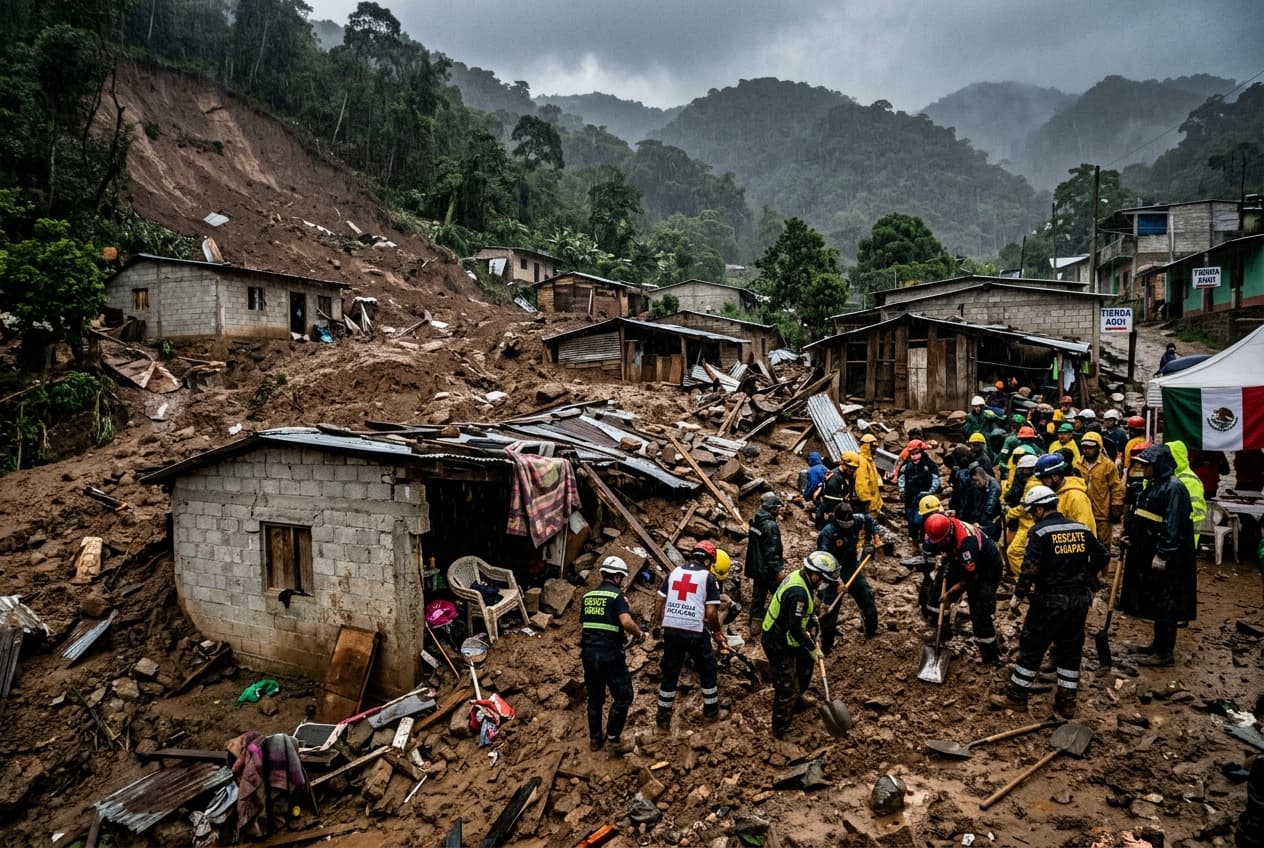
There is a rhythm to the aftermath of such events that feels almost choreographed by the inevitability of geography. The emergency teams, moving with the measured focus of those who have seen this landscape broken before, descended upon the site to weave through the debris. In the space of an afternoon, the highway ceased to be a conduit for movement and became a theater of recovery. The physical remnants of the passengers—clothing, personal effects, the quiet echoes of a trip interrupted—were scattered against the soil, silent testaments to the sudden cessation of forward motion.
While the causes of such terrestrial ruptures are often sought in mechanical failure or the subtle demands of the grade, the truth frequently remains obscured by the very force of the impact. The state government’s quick mobilization highlighted the intersection of regional resources, with Jalisco and Nayarit blending their efforts to contain the unfolding tragedy. It is a harsh reality that the infrastructure which connects the nation’s interior is also the stage for its most abrupt transitions. The road, intended to bring people together, instead became the site of a profound separation.
Amidst the dust and the overturned frame of the vehicle, the narrative of the morning was rewritten. The transition from life in transit to a scene of investigation is a jarring shift that leaves little room for contemplation. For those tasked with the grim work of sorting through the wreckage, the task is less about finding meaning than it is about restoring order to a chaotic geography. Each passenger’s journey, previously defined by the expectation of arrival, was redirected into the cold statistics of a tragedy.
The toll of this collision was, by all accounts, heavy, with at least 11 lives lost and dozens more carrying the physical marks of the event. In the wake of such a loss, the highway becomes more than just asphalt; it becomes a place of remembrance for the collective movement of a people. The scale of the accident is not merely a technical failure to be studied but a stark reminder of the risks inherent in a nation where long-distance travel is a vital, yet precarious, necessity. The silence that now hangs over the Amatlan de Canas stretch is a heavy one, colored by the absence of the voices that once filled the bus.
As the authorities conclude their preliminary investigations, the focus shifts toward the broader implications of road safety in a region characterized by its rugged, demanding terrain. The scrutiny of transport regulations and the mechanics of emergency response is a process that unfolds in the shadow of the victims, seeking answers in the broken metal. Yet, no amount of inquiry can truly mend the severance of lives that occurred under the morning light. The tragedy serves as a quiet, somber punctuation mark in the story of regional mobility.
Ultimately, the event on the highway serves to remind us of the fragility of our daily trajectories. We move through the landscape assuming that the path ahead is secure, tethered by the conventions of modern travel. When that tether snaps, we are left to confront the raw reality of the earth beneath us and the indifferent speed of our own progress. The road remains, carved into the hills and valleys, waiting for the next cycle of travel, bearing the invisible scars of those who have already passed.
The authorities in Nayarit confirmed that the bus crash occurred on a highway in the western state of Nayarit, resulting in 11 fatalities and 31 injuries. The vehicle, traveling from Jalisco, overturned near the town of Amatlan de Canas. Emergency teams from both states conducted rescue operations, and a formal investigation into the cause of the accident is currently being conducted by state officials.
Published by Banx Network. This article is part of the Banx decentralized media programme, powered by the BXE token on the XRP Ledger.