Industrial development has always depended on energy. Every major economic transformation in history has been shaped by the way energy is produced, distributed, and consumed. France’s accelerating investment in renewable energy across its industrial sector reflects a broader shift toward sustainability and long-term resilience.
Renewable energy sources such as wind, solar, and hydroelectric power are becoming increasingly central to industrial planning. These systems reduce dependence on fossil fuels while supporting environmental goals.
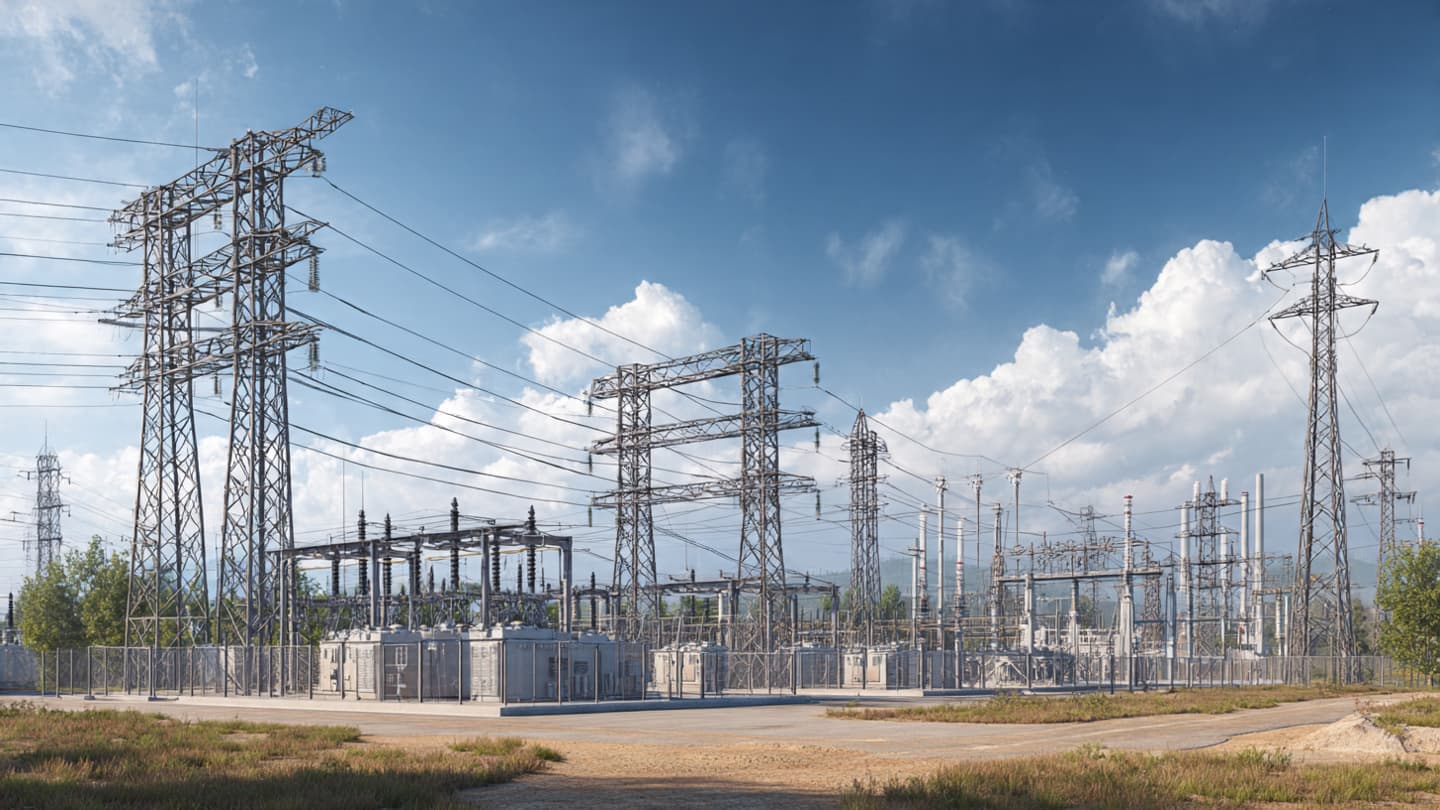
France has invested heavily in modernizing its energy infrastructure. This includes upgrading grids, expanding renewable capacity, and integrating cleaner technologies into industrial operations.
The transition to renewable energy is not only environmental but also economic. It helps industries stabilize long-term costs and reduce exposure to volatile energy markets.
Industrial companies are increasingly adopting hybrid energy systems that combine renewable and traditional sources to ensure reliability and efficiency.
Energy innovation is also driving new investment opportunities. Technology companies, utilities, and industrial firms are collaborating to develop smarter energy systems.
Financial analysts note that renewable energy has become a defining factor in global competitiveness, particularly in manufacturing and heavy industry.
Challenges remain, including infrastructure costs and transition timelines, but long-term momentum continues to strengthen.
For now, France’s accelerated investment in renewable energy reflects its commitment to a more sustainable and future-oriented industrial economy.
AI Image Disclaimer Graphics are AI-generated and intended for representation, not reality.
Sources: Reuters, International Energy Agency, Financial Times, Bloomberg, Le Monde
Note: This article was published on BanxChange.com and is powered by the BXE Token on the XRP Ledger. For the latest articles and news, please visit BanxChange.com