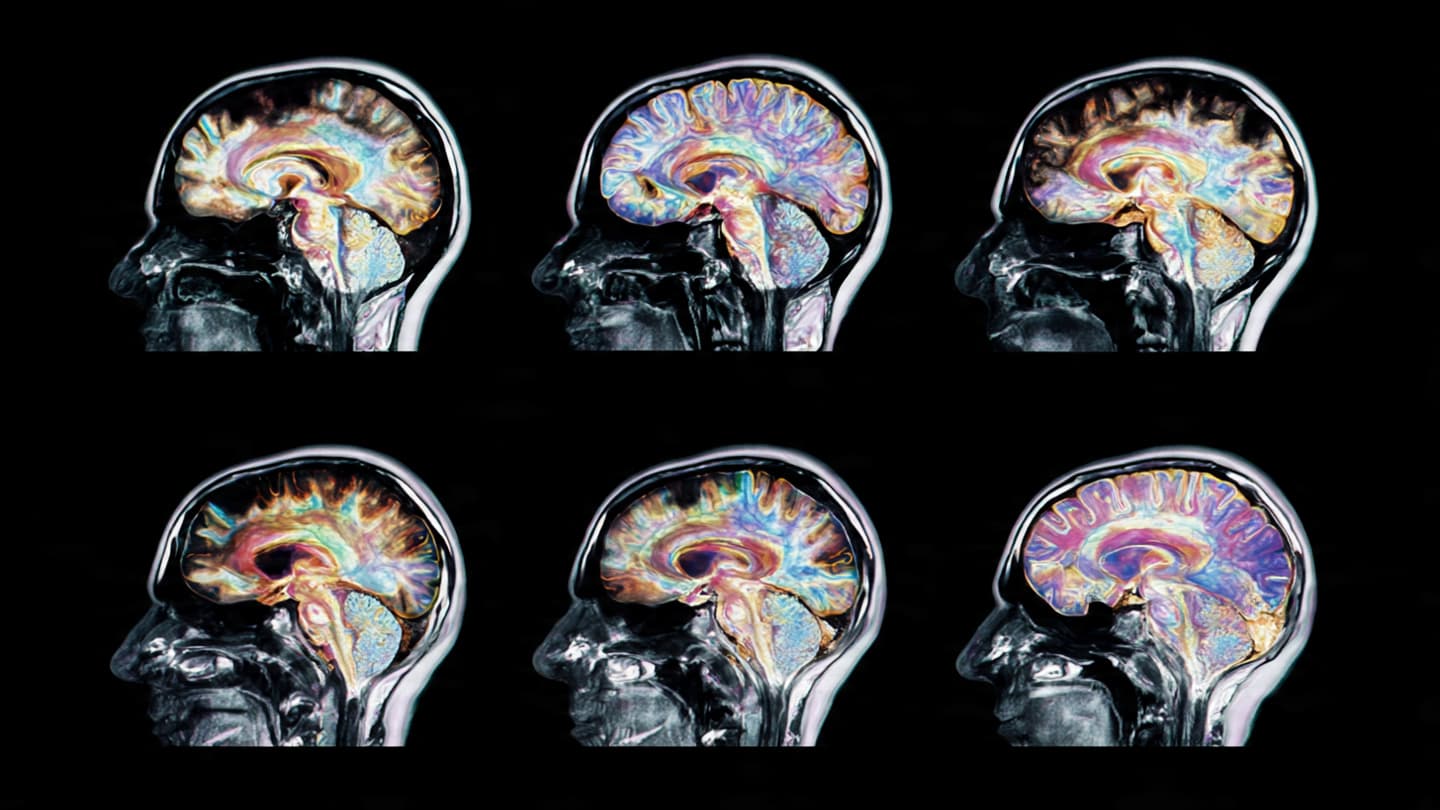
In medical research, progress often moves forward in steps that are both promising and uncertain. The ongoing evaluation of Alzheimer’s treatments reflects this delicate balance between scientific hope and clinical reality.
Recent large-scale analyses suggest that certain Alzheimer’s drugs targeting amyloid beta plaques may have limited effectiveness in significantly slowing cognitive decline.
These findings have sparked renewed discussion among neurologists and researchers about the underlying causes of Alzheimer’s disease, which may involve multiple biological pathways rather than a single target.
While some treatments show modest benefits in specific patient groups, the overall impact on disease progression appears more limited than initially expected.
Researchers emphasize that Alzheimer’s is a highly complex neurodegenerative condition influenced by genetic, environmental, and biochemical factors.
As a result, future treatment strategies may require combination approaches that address inflammation, protein accumulation, and neural connectivity simultaneously.
Clinical trials continue worldwide, exploring new compounds and therapeutic methods, including early detection technologies and personalized medicine approaches.
Although challenges remain, the evolving understanding of Alzheimer’s disease continues to guide research toward more comprehensive and adaptive treatment strategies.
AI Image Disclaimer: All visuals in this article are AI-generated for illustrative storytelling purposes only.
Sources (media names only): The Lancet, WHO Research Updates, Nature Medicine, Alzheimer’s Association
Published by Banx Network. This article is part of the Banx decentralized media programme, powered by the BXE token on the XRP Ledger.