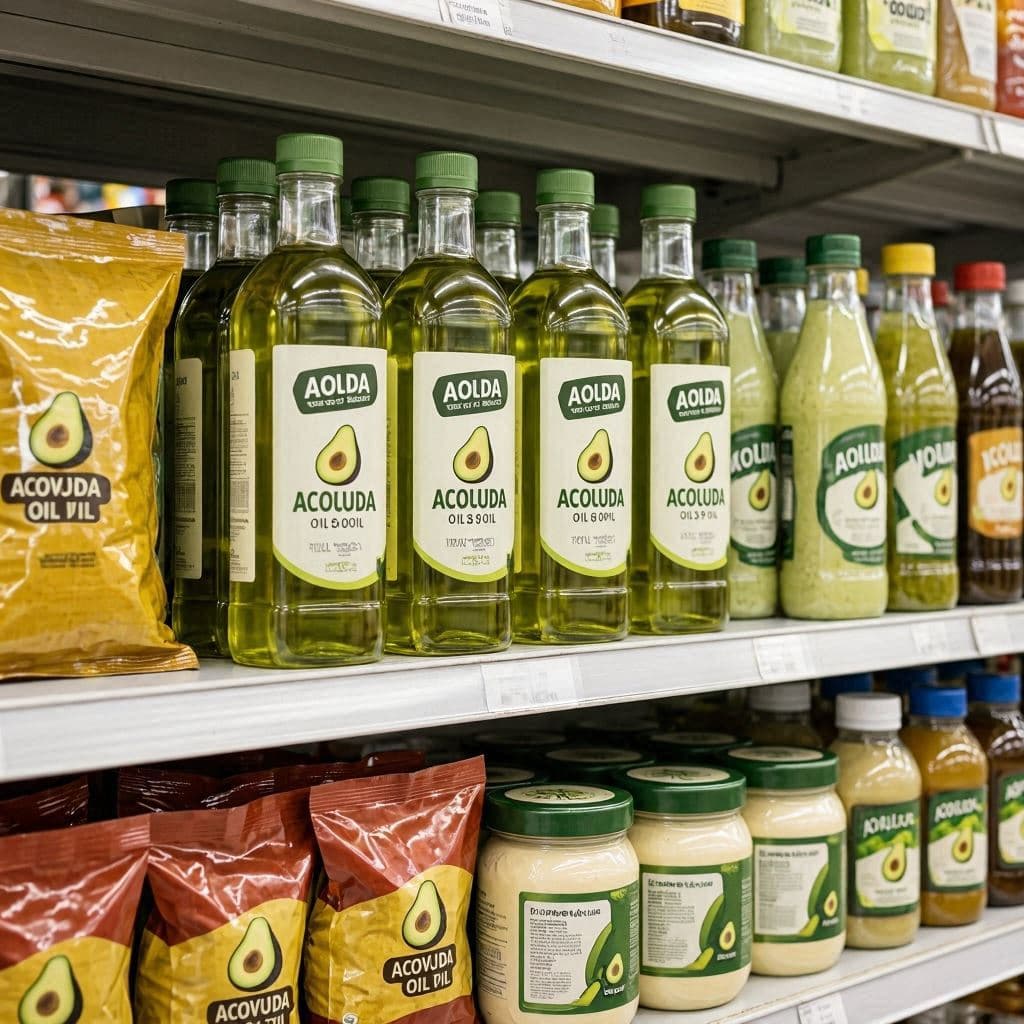
Consumers often reach for avocado oil with the expectation that they are making a healthier choice. Its growing popularity has turned it into a staple ingredient in kitchens and packaged foods alike, carrying a reputation for heart-friendly fats and natural appeal. Yet a new scientific study suggests that the rapid growth of the avocado oil market has also created opportunities for food fraud, raising questions about whether some products truly contain what their labels promise.
Researchers at the University of California, Davis analyzed processed foods marketed as being made with avocado oil, including potato chips, salad dressings, and mayonnaise. The study found that 48 of the 54 avocado oil-labeled products tested contained fatty acid and sterol profiles inconsistent with authentic avocado oil, suggesting they had been blended with less expensive vegetable oils.
According to the researchers, approximately 89% of the avocado oil-labeled processed foods examined failed authenticity testing. Every salad dressing included in the study showed evidence of adulteration, while about 93% of chips and 71% of mayonnaise products labeled as containing avocado oil also appeared inconsistent with pure avocado oil.
The researchers explained that ingredients such as canola, safflower, soybean, or sunflower oil may have been substituted in part or in whole for avocado oil. Because avocado oil generally commands a premium price, replacing it with lower-cost oils can create financial incentives for fraudulent labeling within complex supply chains.
Lead researcher Professor Selina Wang noted that the study focused on processed foods rather than bottled avocado oil, expanding earlier research that had already identified quality and authenticity concerns in commercially available avocado oils. The team emphasized that the findings highlight vulnerabilities throughout the broader avocado oil supply chain.
Food scientists also pointed to the absence of comprehensive regulatory standards defining avocado oil quality and purity in many markets. Without clear and enforceable standards, manufacturers, retailers, and consumers may face greater difficulty verifying whether products marketed as containing avocado oil meet expected authenticity requirements.
Researchers stressed that the study does not suggest avocado oil itself lacks nutritional value. Instead, the concern centers on product authenticity and accurate labeling. They called for stronger industry standards, improved testing methods, and greater transparency throughout production and distribution to help protect consumers and legitimate producers alike.
As demand for premium cooking oils continues to grow, the findings serve as a reminder that confidence in food begins with confidence in its labeling. Scientists say continued research, clearer regulations, and more rigorous quality controls can help ensure consumers receive the products they expect while supporting a fair and trustworthy marketplace.
AI Image Disclaimer: The illustrations accompanying this article were generated using artificial intelligence to visually represent the topic and are not photographs of the research or products discussed.
Sources (verified):
University of California, Davis Applied Food Research Food Control Forbes
Published by Banx Network. This article is part of the Banx decentralized media programme, powered by the BXE token on the XRP Ledger.