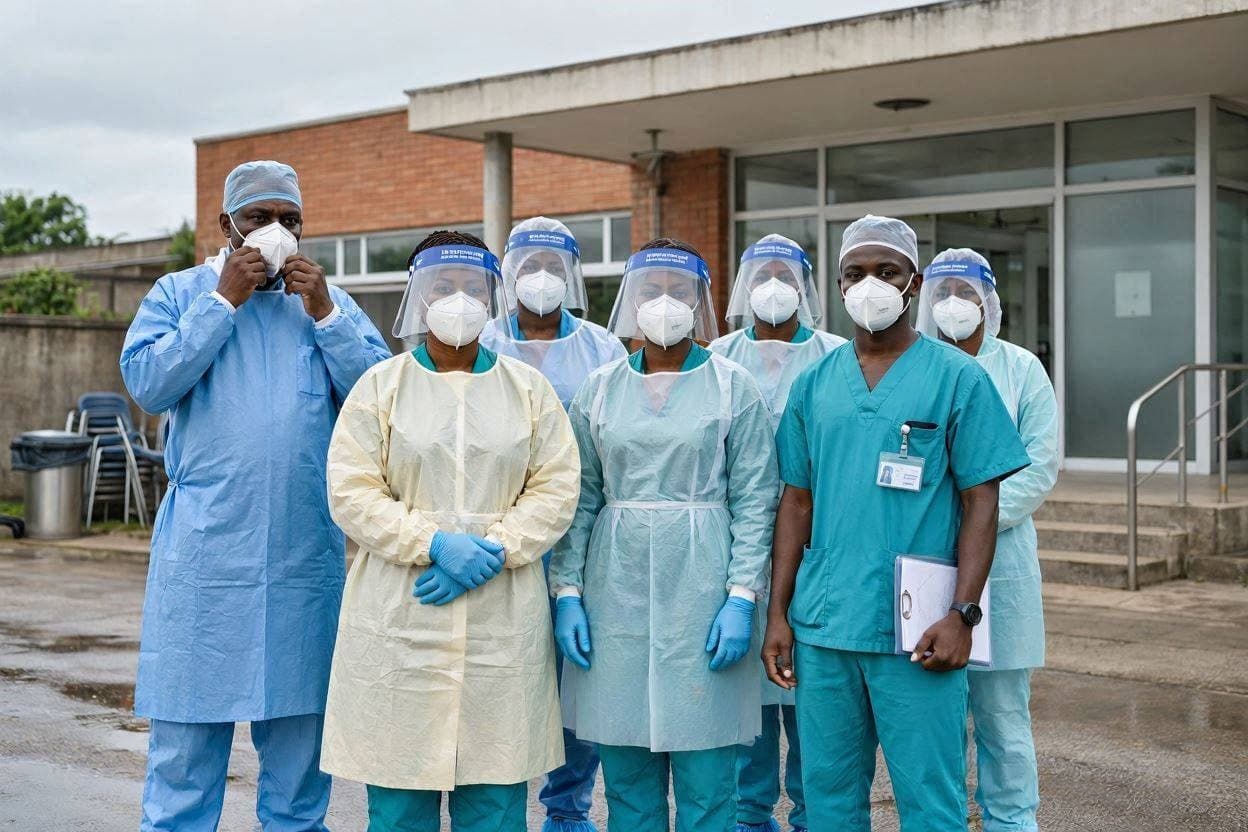
Opening: In the heart of a crisis, where every second counts and every hand is needed, there exists a fragile human element that cannot be ignored. In the Democratic Republic of Congo, health workers on the front lines of a deadly Ebola outbreak have paused their duties, not out of indifference, but out of desperation. As the death toll climbs toward six hundred, these brave individuals have taken the difficult step of striking over unpaid wages and poor working conditions. It is a stark reminder that even in the face of a viral threat, the basic needs of those who serve must be met for the system to hold.
Body: The strike has emerged at a critical juncture in the outbreak, which has already claimed hundreds of lives and infected over fifteen hundred people. Health workers, who risk their own safety daily to treat patients and contain the spread of the virus, report that they have not received promised hazard pay and benefits. For many, this is not just a financial issue but a matter of dignity and survival. Without adequate compensation, the burden of caring for the sick becomes unsustainable, leading to burnout and, ultimately, a withdrawal of labor.
The implications of this action are profound. A strike by frontline health workers can severely hamper response efforts, allowing the virus to spread more rapidly in communities that are already vulnerable. Contact tracing, patient care, and safe burial practices—all essential components of Ebola containment—may be disrupted. This creates a vicious cycle where the lack of support for workers leads to a worsening outbreak, which in place places even greater strain on the remaining staff.
Government officials and international partners have expressed concern, urging a swift resolution to the dispute. They recognize that the success of any public health intervention depends on the motivation and well-being of the workforce. However, logistical challenges and bureaucratic delays often hinder the timely distribution of funds in remote and conflict-affected areas. Bridging this gap requires not just political will but efficient administrative mechanisms that prioritize the needs of those on the ground.
For the communities affected by Ebola, the strike adds another layer of fear and uncertainty. Residents rely on health centers for treatment and information, and their closure or reduced capacity leaves them exposed. Trust in the healthcare system, already fragile in some regions, may erode further if people perceive that the response is disorganized or underfunded. Rebuilding this trust is essential for long-term health security and community resilience.
The situation also highlights the broader challenges of funding global health emergencies. While international aid often flows quickly in the initial stages of an outbreak, sustaining that support over time can be difficult. Ensuring that local health systems are robust enough to handle such crises requires long-term investment in infrastructure, training, and fair compensation for workers. It is a lesson that extends beyond Congo to other regions facing similar threats.
As negotiations continue, the hope is that a compromise can be reached that addresses the workers’ grievances while maintaining essential services. Some facilities may remain open with skeleton staff, while others may see a gradual return to normal operations as payments are processed. The urgency of the situation demands creativity and cooperation from all parties involved, including local authorities, unions, and international donors.
Closing: In the end, the strike in Congo is a plea for recognition and support. It underscores the human cost of epidemics, not just for patients but for those who fight them. As the world watches the death toll rise, it must also listen to the voices of the health workers who demand their due. Their well-being is inextricably linked to the health of the nation, and addressing their concerns is a vital step toward ending the outbreak.
AI Image Disclaimer: Please note that any accompanying visuals for this narrative are artificially generated interpretations meant to evoke the spirit of the story, not documentary evidence.
Sources: Associated Press PBS NewsHour CIDRAP
Published by Banx Network. This article is part of the Banx decentralized media programme, powered by the BXE token on the XRP Ledger.