
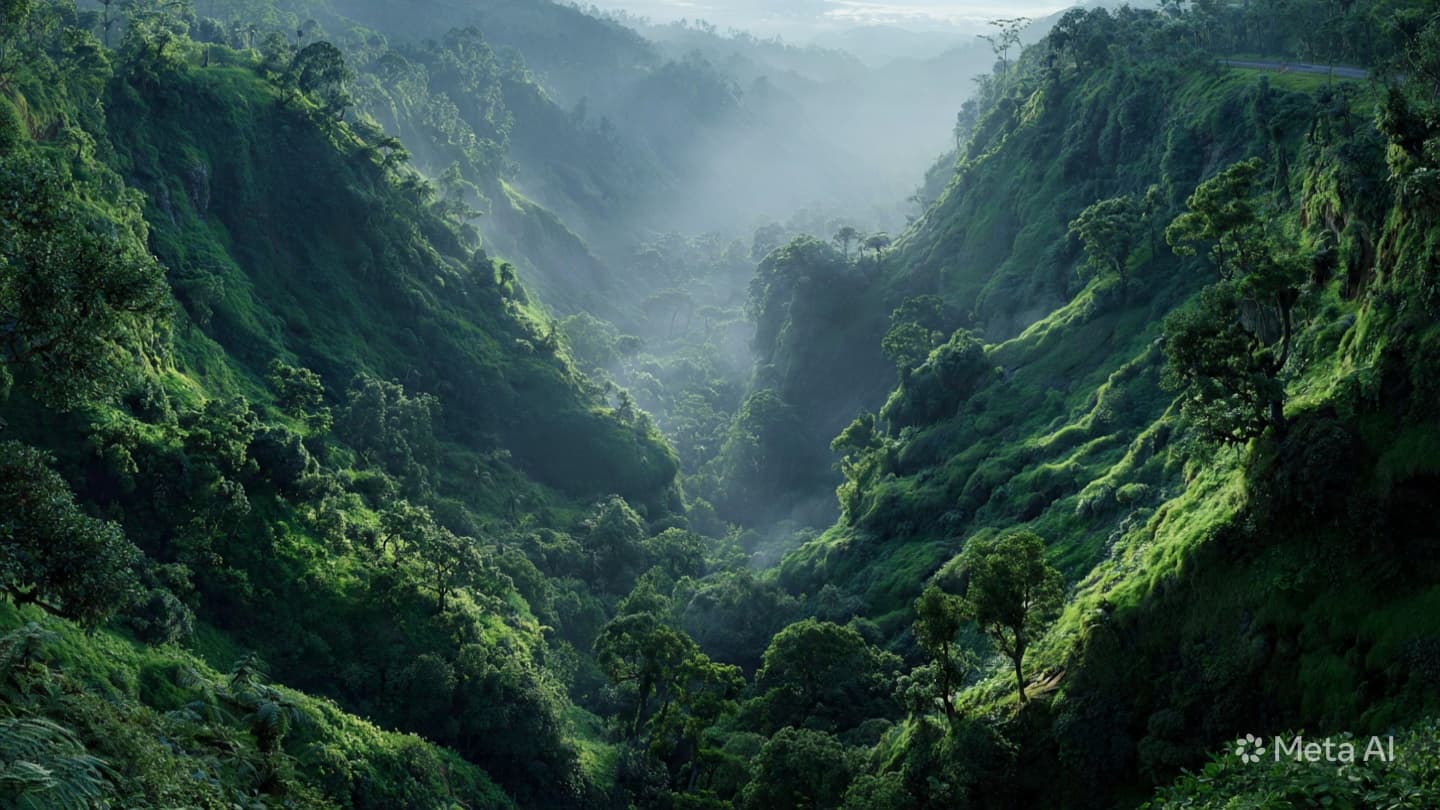
There is a particular kind of quiet that descends upon a ravine in West Java when the forest canopy swallows the sounds of the road. Above, the asphalt snakes through the rolling hills, a lifeline connecting villages and cities with the persistent movement of interprovincial travel. Yet, at the edge of these winding passages, the transition from motion to stillness can be instantaneous. The bus, a vessel for so many stories and journeys, found its path redirected by the unforgiving pull of gravity, turning a routine commute into a moment that will forever divide the lives of those on board.
The road here is a testament to human endeavor, carved into the hillsides and hugging the contours of the earth with a precarious grace. As evening approaches, the shadows lengthen, casting long, dark fingers across the pavement, creating a landscape of contrast where the familiar becomes treacherous. The bus was navigating these turns, carrying commuters who were likely watching the light fade, unaware that the rhythm of their transit was about to be broken. It is a sobering thought, how easily the intended direction of a journey can be subverted by the sudden failure of terrain or mechanics.
When the vehicle left the road, it disappeared into the verdant embrace of the steep slopes, descending into a world of dense foliage and hidden shadows. The recovery, conducted under the watchful eyes of rescuers navigating the incline, became a delicate operation of endurance. The forest, usually a sanctuary of silence, was filled with the sounds of human effort—shouted instructions, the rhythmic clatter of equipment, and the steady, patient work of those trying to bridge the distance between the road above and the wreckage below.
In the valley, the air was cool and heavy with the scent of damp earth and crushed leaves. The scene was one of jarring juxtaposition: the vibrant, living growth of the West Java highlands contrasting sharply with the cold, metallic reality of the fallen bus. Each piece of debris, whether a piece of luggage or a splintered window frame, carried a weight far beyond its physical mass, a silent witness to the lives that had been in transit just moments before. The rescuers moved with a solemn intensity, respecting the gravity of the terrain while working against the fading light.
Back at the roadside, families and observers gathered, their presence a quiet vigil in the cooling evening air. There is a universal vulnerability in waiting, a collective held breath that stretches across the distance of a ravine. As information slowly ascended from the slope, the atmosphere shifted, the uncertainty giving way to the cold clarity of loss. The distance between the road and the ravine floor, though only a matter of meters, felt like an abyss that measured the true reach of the tragedy.
The local community, ever resilient, responded with the communal spirit that defines the region. Residents and volunteers from nearby villages climbed down the slopes, lending their hands and their lanterns to the effort, their movements a testament to a shared humanity that emerges in the face of disaster. They moved through the darkness with a familiarity born of living on these hills, their dedication providing a necessary comfort as the recovery process deepened. It was a scene of cooperation that echoed through the trees, a quiet defiance of the tragedy’s isolating nature.
Looking out across the valley from the ridge, one is struck by the indifference of the landscape to the sudden upheaval. The trees do not shift, and the slope remains as it was, a natural wall that hides the scars of the accident. Yet, the road remains, a persistent artery that carries the hopes and burdens of the people who rely on it daily. This incident, while devastating, is but a fleeting moment in the long, ancient history of these mountains, though its impact will leave an indelible mark on those who were traveling that day.
As the night settled over the West Java highlands, the operation concluded, leaving only the quiet of the forest to hold the memory of the event. The road was cleared, the traffic resumed its flow, and the bus was eventually pulled from the shadows of the ravine. The cycle of movement continues, but with a renewed awareness of the precarious nature of the path, a reminder to all who travel these heights that every journey carries with it a measure of uncertainty that we often overlook until it is made visible.
Local authorities have confirmed that the incident resulted in the loss of seven lives, with multiple commuters currently hospitalized with various injuries. The bus, which was traveling between provinces, allegedly lost control on a winding stretch of road before plunging into the ravine. Transportation officials are currently reviewing safety protocols for mountainous routes, and an investigation into potential mechanical failure or human error is ongoing as the community holds services for the deceased.
Note: This article was published on BanxChange.com and is powered by the BXE Token on the XRP Ledger. For the latest articles and news, please visit BanxChange.com