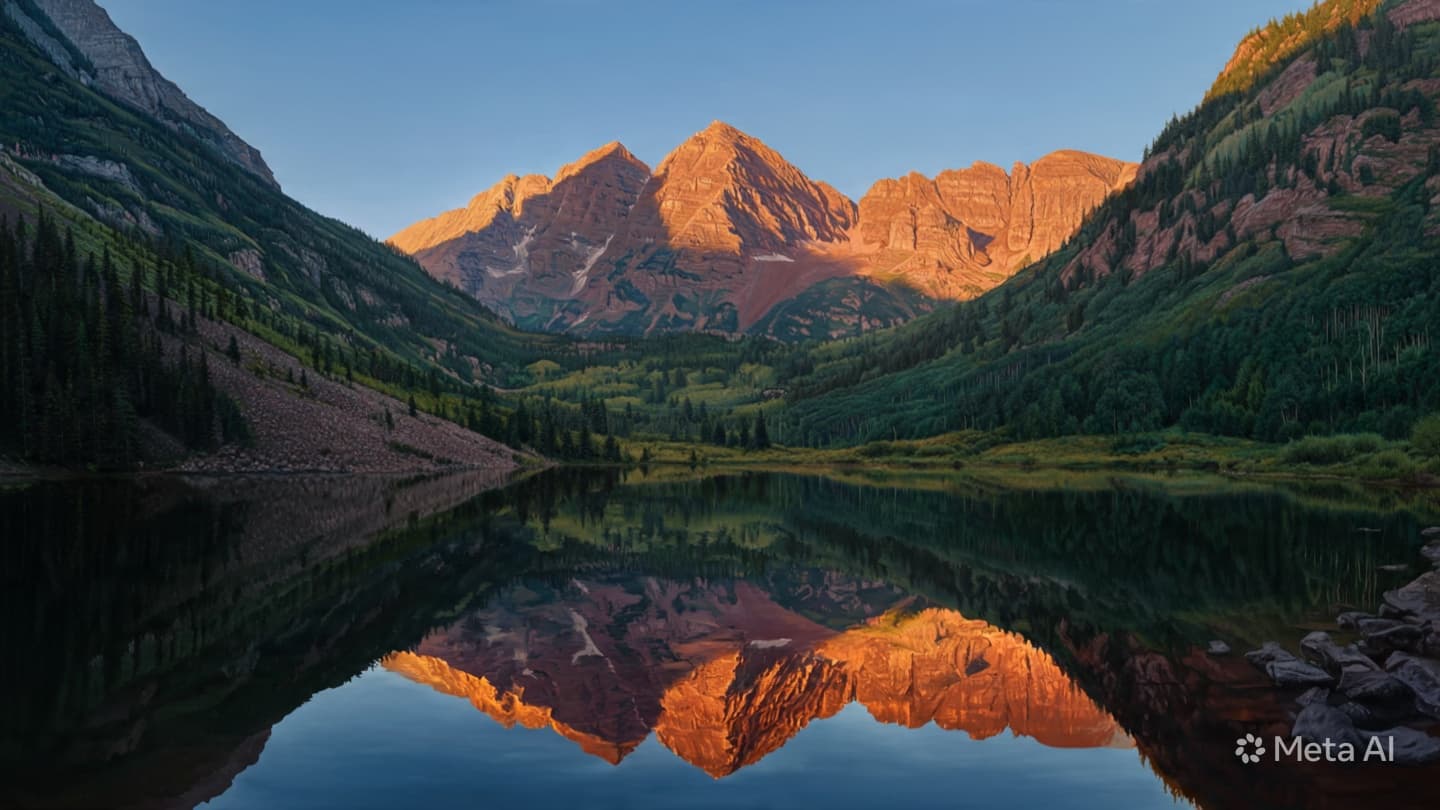
The Maroon Bells stand as perhaps the most recognizable sentinels of the Colorado Rockies, their twin summits carved by eons of glacial retreat into a silhouette that seems almost painted against the deep azure of the sky. To approach them is to enter a cathedral of stone, where the air grows thin and the world below begins to feel like a distant memory. It is a place that calls to those who seek the sublime, inviting them to test their resolve against the unyielding verticality of the earth. Yet, the same beauty that draws the soul upward also demands a profound, quiet humility.
In the high country, the boundary between the manageable and the insurmountable can be a matter of mere inches, a shift in the loose scree or a sudden change in the afternoon wind. When a fall occurs, the silence of the wilderness is broken in a way that feels particularly stark. Two souls who set out to embrace the grandeur of these peaks found their journey ending on the cold, unforgiving rock, leaving behind only the echo of their ambition and the sudden stillness of a life abruptly concluded.
To contemplate such an event is to grapple with the duality of our relationship with the wild. We seek the mountains for the perspective they provide, the way they force us to shed the complexities of our urban lives and confront the essential simplicity of the present moment. However, the mountains do not distinguish between the experienced climber and the casual wanderer; they are indifferent to human intent. The loss of life in such a setting serves as a sobering, heavy reminder that the majesty we pursue carries with it an inherent, uncontrollable risk.
The recovery efforts, which bring mountain rescue teams into these treacherous terrains, are a testament to the quiet, determined compassion of those who serve the wilderness. These individuals move through the peaks with a level of technical skill and emotional restraint that is rarely seen by the public, working to return the departed to the valleys below. Their labor is a form of tribute, a way of acknowledging that even in the most remote corners of the world, no one is truly left behind.
In the communities that gather in the shadow of the mountains, the tragedy resonates with a particular frequency. It touches those who understand the pull of the summit, as well as those who view the peaks with a respectful, distant caution. The loss of two individuals becomes a part of the history of the Maroon Bells, a story whispered along the trails and carried in the memory of the landscape. It is a sorrow that is shared, a collective acknowledgement of the risks inherent in the pursuit of the high places.
As the days turn, the peaks will remain as they have for millennia, indifferent to the joy or the grief that plays out upon their slopes. The wind will continue to rush through the crags, and the first light of dawn will continue to paint the stone in shades of rose and gold. For the families left to navigate the silence of their homes, however, the mountains will forever hold a different resonance—a place of memory, of loss, and of a beauty that is inextricably tied to the reality of the price.
We are left to hold the memory of these two lives with the weight they deserve, recognizing that their final act was one of seeking, of reaching, and of being fully present in a world that can be as cruel as it is captivating. We honor them by reflecting on the fragility of our own paths, and by walking through our lives with a little more gratitude for the simple, often overlooked gift of returning safely to the valleys from which we started.
The Pitkin County Sheriff’s Office confirmed that two hikers died following a significant fall while navigating the treacherous terrain near the summits of the Maroon Bells. Search and rescue crews were dispatched to the site after the pair failed to return as scheduled, eventually locating the victims in a steep, rocky ravine. The incident is currently being reviewed as a reminder of the extreme hazards posed by the region’s high-altitude environments and the unpredictability of the terrain.
Published by Banx Network. This article is part of the Banx decentralized media programme, powered by the BXE token on the XRP Ledger.