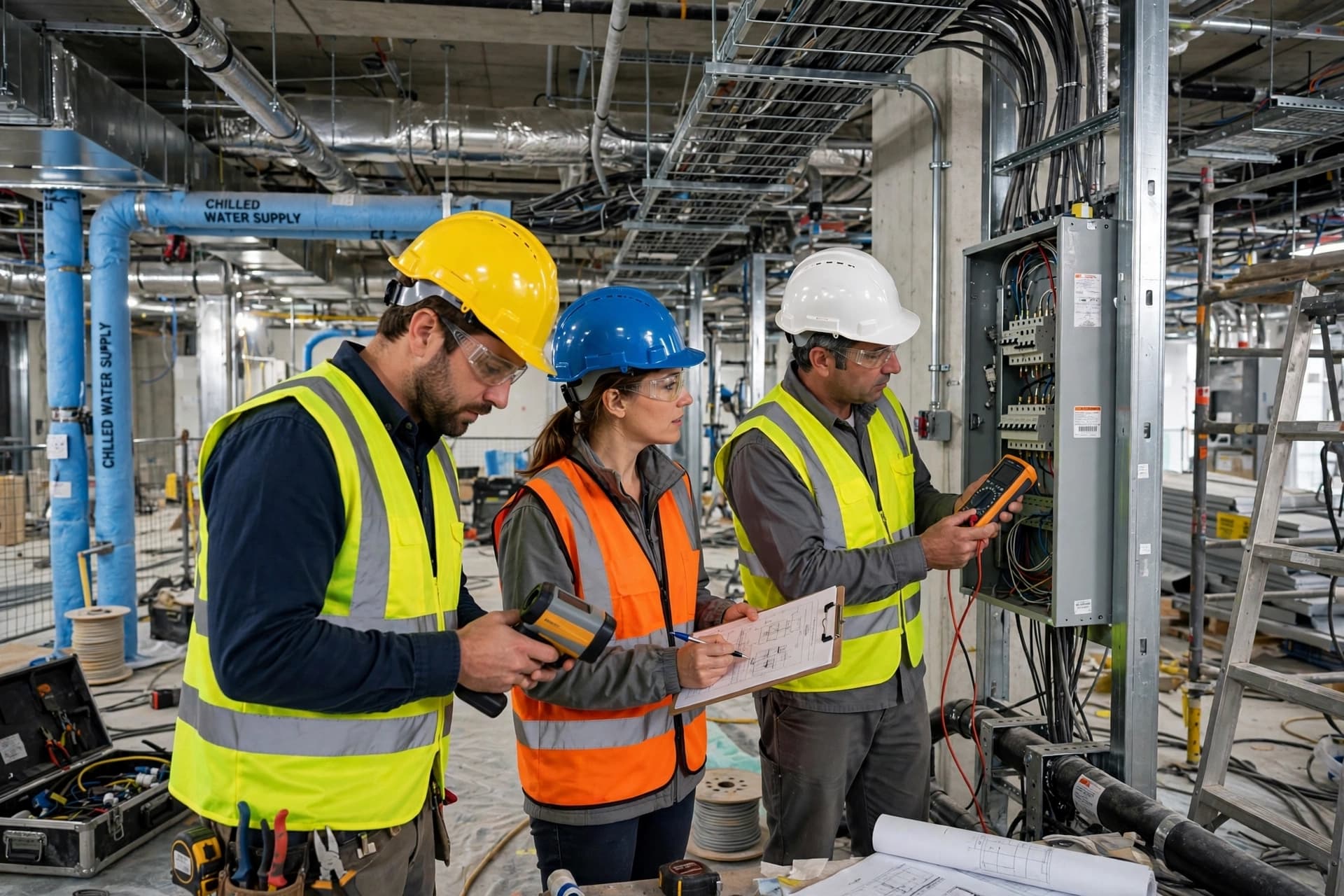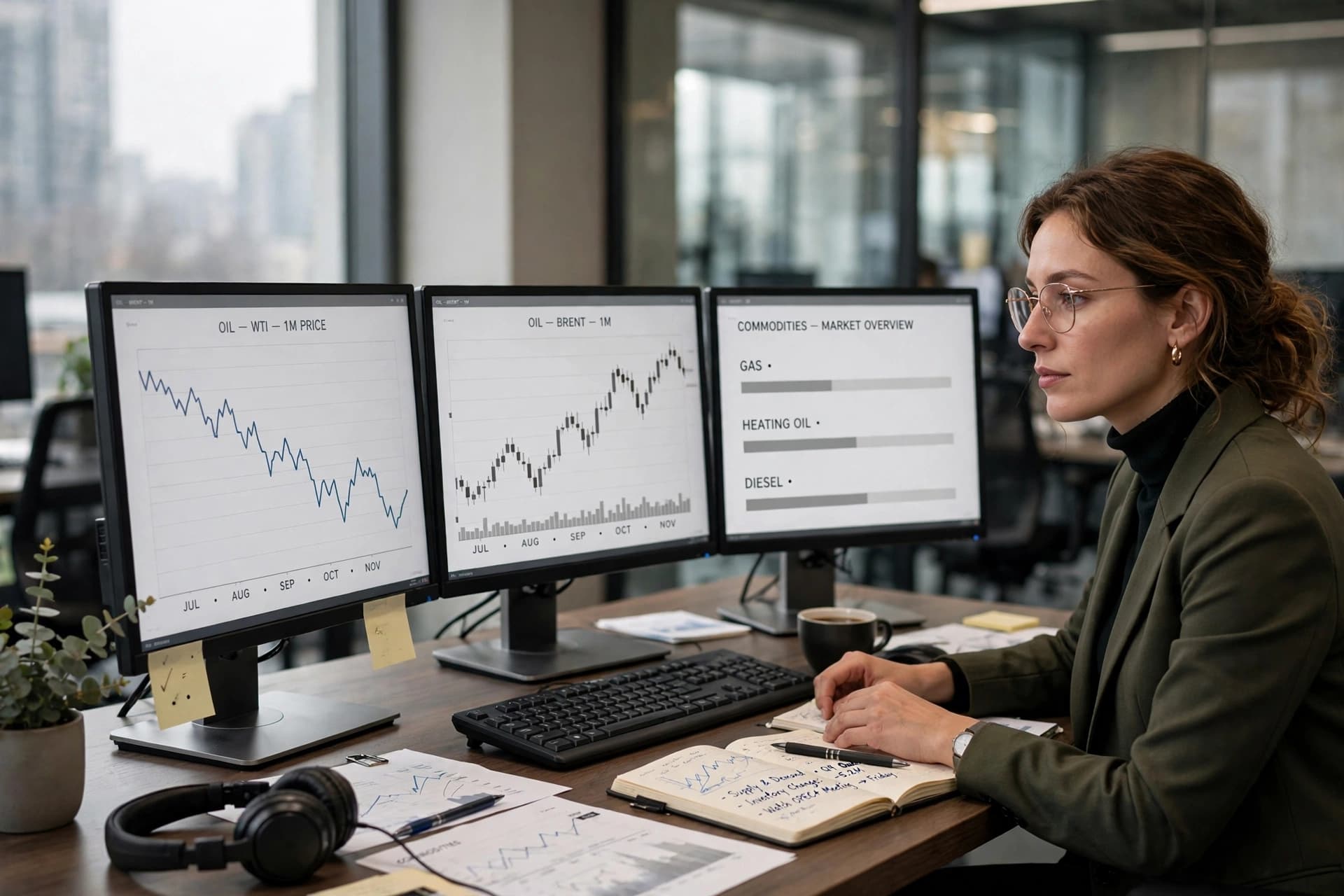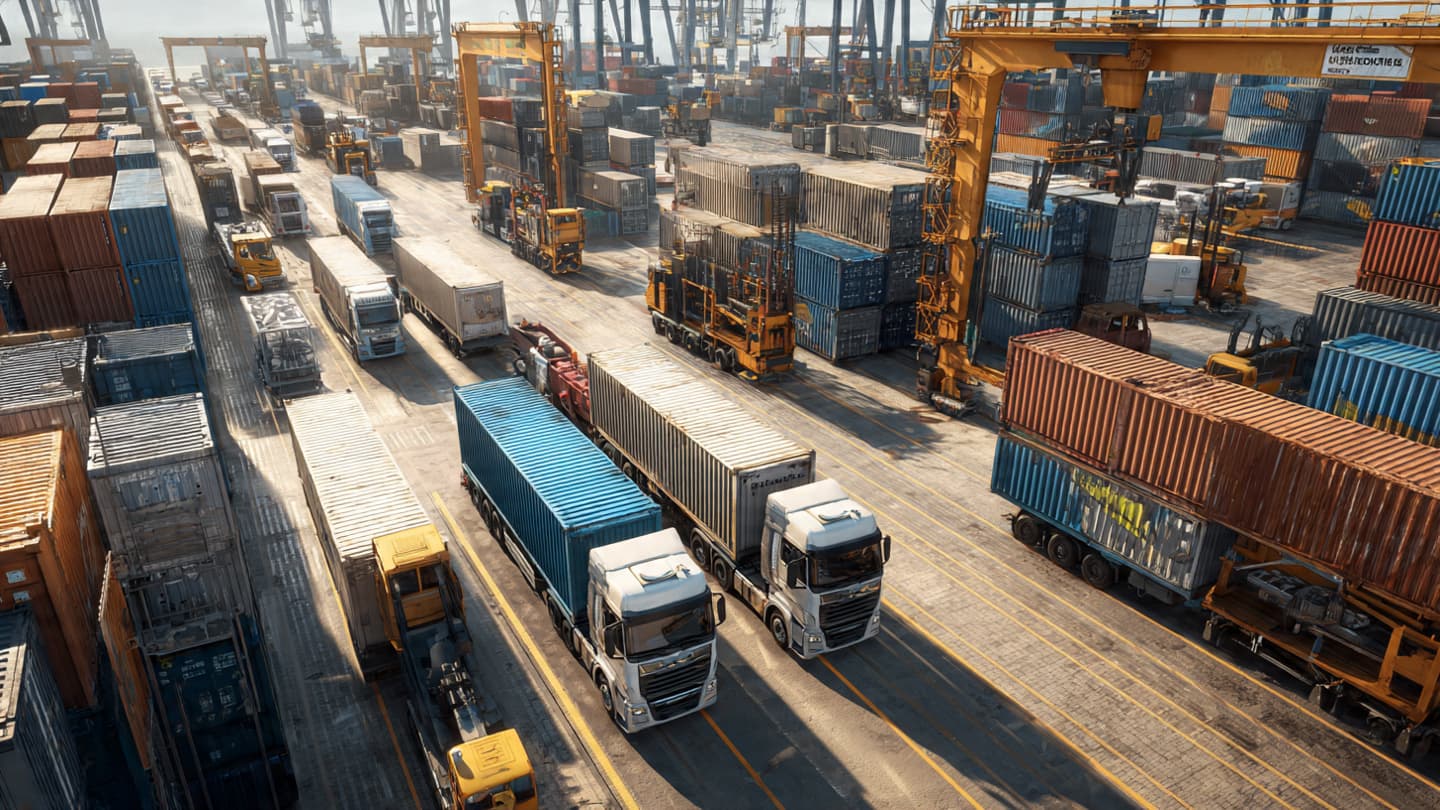
Modern industry often resembles an intricate web stretching across continents. Raw materials travel through ports, components cross borders, and finished products reach consumers through carefully coordinated networks. When every part functions smoothly, the process feels almost effortless. Yet when disruptions occur, even distant events can influence factories, warehouses, and businesses thousands of miles away. Across Europe, companies continue to experience the lingering effects of energy market volatility and supply chain uncertainty.
The challenges facing businesses today are not entirely new. In recent years, industries have repeatedly adapted to changing conditions, from shifting trade patterns to fluctuations in commodity prices. What makes the current environment notable is the persistence of uncertainty. Companies often find themselves planning for multiple scenarios rather than relying on a single forecast.
Energy costs remain a central concern. Manufacturing facilities, transportation networks, and logistics operations depend heavily on reliable energy supplies. Even moderate price increases can influence production expenses, forcing businesses to review budgets and operational strategies. For energy-intensive industries, these costs can significantly affect competitiveness.
At the same time, supply chains continue to evolve. Businesses have increasingly diversified suppliers, expanded inventory strategies, and invested in technologies that improve visibility across logistics networks. These adjustments have strengthened resilience, yet disruptions still create challenges that require ongoing attention.
Large corporations are not the only ones affected. Small and medium-sized enterprises often experience supply chain disruptions more directly because they possess fewer resources to absorb unexpected costs. For many businesses, flexibility and adaptability have become essential components of daily operations.
Industry leaders emphasize that uncertainty itself carries economic consequences. Investment decisions frequently depend upon confidence in future conditions. When costs and market trends become difficult to predict, businesses may delay expansion plans or adopt more cautious strategies. Such decisions can influence broader economic growth.
Despite these obstacles, European companies have demonstrated considerable resilience. Innovation, digital transformation, and operational efficiency have become increasingly important tools for navigating complex environments. Businesses continue to invest in solutions designed to strengthen supply chains and reduce vulnerability to future disruptions.
Economic analysts note that global trade remains remarkably interconnected. Events affecting shipping routes, energy markets, or production centers in one region can create ripple effects elsewhere. Understanding these connections has become a critical part of corporate planning and risk management.
Looking forward, many companies hope for greater stability in energy markets and improved predictability across supply chains. While challenges remain, businesses have accumulated valuable experience in responding to disruptions. Lessons learned during recent years may help strengthen resilience in the future.
For now, the story is one of adaptation rather than retreat. European industry continues to move forward, adjusting to changing conditions while seeking opportunities within uncertainty. The path may not always be smooth, but the determination to keep production, trade, and innovation moving remains evident across the continent.
AI IMAGE DISCLAIMER Images in this article are AI-generated illustrations, meant for concept only.
SOURCE CHECK Reuters Bloomberg Financial Times S&P Global European Commission Reports
Published by Banx Network. This article is part of the Banx decentralized media programme, powered by the BXE token on the XRP Ledger.