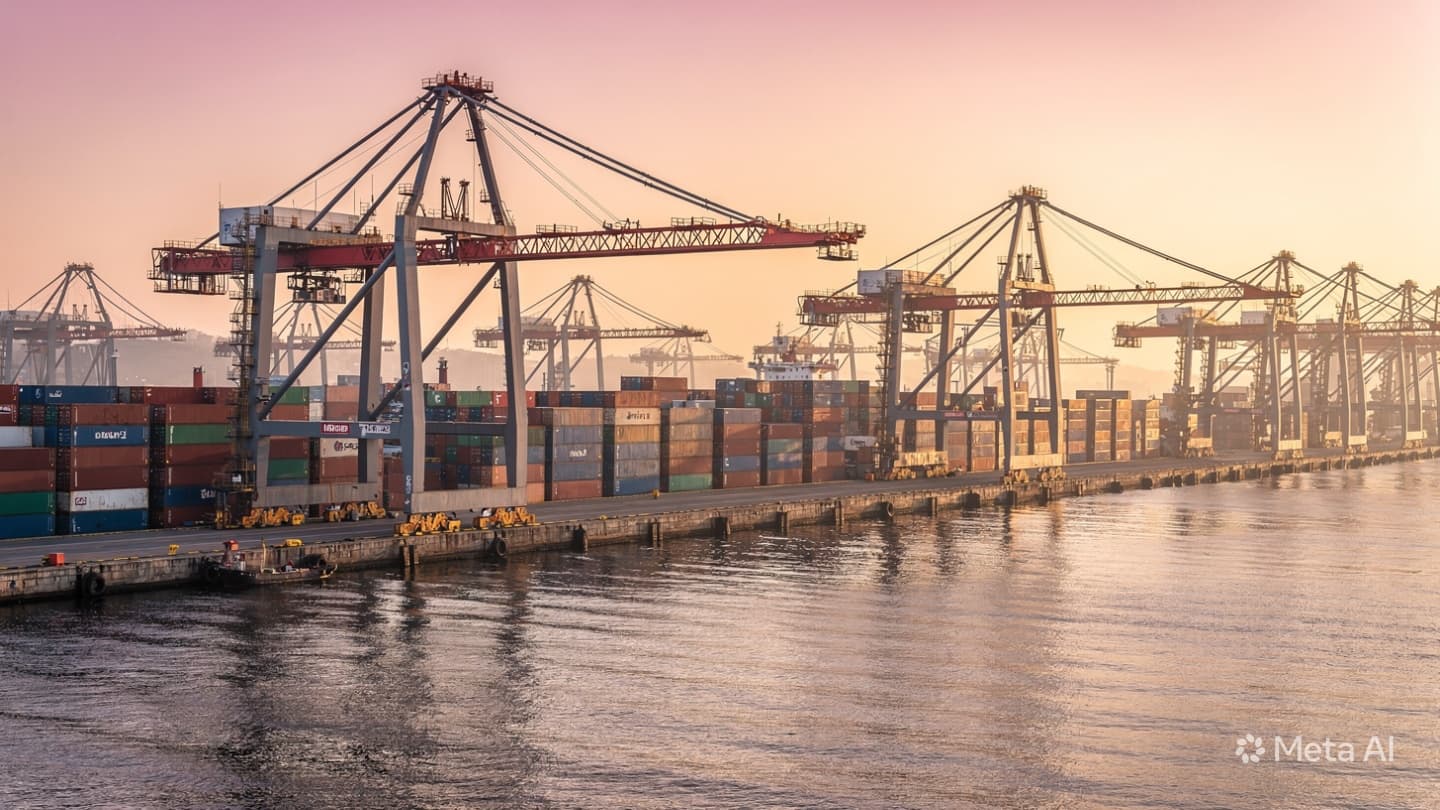
The Port of Auckland stands as a massive monument to global trade, a sprawling labyrinth of concrete, steel cranes, and endless rows of multicolored shipping containers. Day and night, giant vessels slide silently into the harbor, carrying the material goods that fuel a modern society. The port operates with a mechanized precision, where automated straddle carriers and shifts of workers move thousands of tons of cargo without a moment’s delay. It is a landscape defined by motion, efficiency, and the constant hum of global commerce connecting an isolated island nation to the rest of the world.
Within this ceaseless flow of legitimate enterprise, there exists a parallel, hidden current that seeks to exploit the sheer volume of international trade. The complexity of modern supply chains provides a vast canvas for concealment, where illicit materials can be masked within the documentation of everyday consumer goods. For customs officials and border security, the port represents a continuous challenge of vigilance, requiring them to find anomalies within a mountain of routine data. It is a game of patience played against highly sophisticated networks.
The discovery of a significant contraband shipment inside this industrial maze is the result of months of quiet intelligence work and precise technological screening. When a specific container is earmarked for inspection, the atmosphere within the processing bay shifts from routine labor to concentrated focus. Specialized x-ray equipment and canine units are brought forward, stripping away the layers of industrial packaging to reveal what lies beneath. The contrast between the mundane exterior of the cargo and the destructive nature of its contents is stark.
A major interception of synthetic narcotics at the water's edge sends an immediate tremor through the illicit market, disrupting the supply lines that feed domestic demand. The volume of such seizures speaks to the persistence of global syndicates who view the nation's affluent markets as a lucrative destination. For law enforcement, these moments represent a critical victory in an ongoing effort to protect the community from the downstream effects of addiction and related crime. The port is the first and most vital line of defense.
The investigation that follows a border seizure quickly expands beyond the physical docks, tracing the digital and financial footprints left by the shippers and intended recipients. Detectives work backward through shipping manifests, shell companies, and international communications to identify the architects of the import operation. It is a reminder that while the contraband is discovered in a physical container, the criminal network itself is entirely fluid, existing across multiple jurisdictions and digital spaces.
For the workers who manage the daily operations of the wharf, such events are a sobering reminder of the invisible vulnerabilities that pass through their hands. The port must maintain its rapid pace to ensure the economy functions smoothly, meaning that security measures must be integrated seamlessly into the logistical flow. The balance between maintaining efficient trade and executing rigorous border defense is a constant challenge for port authorities.
As the sun sets behind the massive container cranes, casting long silhouettes across the harbor, the daily business of the port continues without interruption. Another vessel arrives at the pilot station, its lights twinkling against the dark water, ready to unload its cargo into the waiting system. The machinery of trade does not pause, and neither does the quiet watch maintained at the nation's gateway.
A major border security operation at the Auckland Port has resulted in the seizure of hundreds of kilograms of smuggled methamphetamine valued at millions of dollars. Customs officials, acting on intelligence reports, intercepted a shipping container arriving from an international route and discovered the narcotics concealed within a commercial cargo shipment. The New Zealand Police, in conjunction with border agencies, have launched a comprehensive investigation to trace the syndicates involved in the smuggling attempt. Officials confirmed that this represents one of the largest maritime drug busts at the port in recent years.
Published by Banx Network. This article is part of the Banx decentralized media programme, powered by the BXE token on the XRP Ledger.