The intense heat spread across multiple regions, pushing thermometers far beyond historical averages. Cities that usually welcomed busy sidewalks and lively public spaces appeared unusually calm during the hottest hours of the day. Many residents chose to remain indoors while authorities urged the public to avoid unnecessary outdoor activities during the afternoon.
French meteorological agencies issued widespread heat alerts as temperatures continued climbing. Local governments activated emergency response plans, opened public cooling centers, and expanded outreach programs for elderly residents and people with underlying medical conditions. These measures reflected lessons learned from previous extreme heat events that had significantly affected the country.
Healthcare professionals observed a growing number of patients experiencing dehydration, heat exhaustion, and other heat-related illnesses. Hospitals and emergency responders remained on heightened alert throughout the period, emphasizing preventive care as the most effective way to reduce serious health risks. Public awareness campaigns encouraged citizens to stay hydrated, wear light clothing, and maintain regular contact with vulnerable family members and neighbors.
The heatwave also affected transportation and infrastructure. Railway operators introduced speed restrictions on certain routes because extreme temperatures can influence the stability of rail systems. Electricity consumption increased substantially as households and businesses relied heavily on cooling equipment, placing additional pressure on energy networks across the country.
Agriculture faced another significant challenge. Farmers in several regions monitored crops under increasingly dry conditions, while concerns grew regarding water availability and the long-term effects of prolonged high temperatures. Although some areas managed conditions effectively through irrigation and planning, the heatwave reinforced broader discussions about climate adaptation within France's agricultural sector.
Scientists continue to observe that Europe is experiencing warming at a faster rate than many other parts of the world. While individual weather events result from a combination of atmospheric factors, climate research increasingly indicates that prolonged and intense heatwaves are becoming more likely as global temperatures continue to rise. These findings have encouraged renewed investment in climate resilience, sustainable urban planning, and environmental protection.
Despite the difficult conditions, communities across France demonstrated remarkable solidarity. Volunteers checked on elderly neighbors, municipalities distributed drinking water in public areas, and emergency workers remained active throughout the crisis. These collective efforts reflected a shared commitment to protecting public health during one of the hottest periods the nation has experienced.
As temperatures gradually returned to more seasonal levels, France entered a period of reflection. Beyond the weather records and statistical reports lies a broader conversation about preparedness, resilience, and adaptation. The experience serves as a reminder that confronting future climate challenges will require not only technological solutions but also continued cooperation among governments, scientists, communities, and individual citizens.
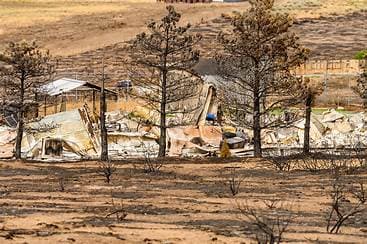
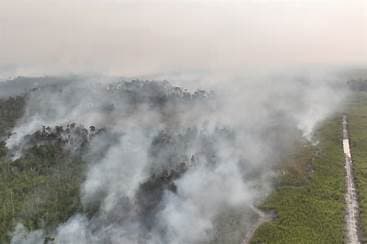
AI IMAGE DISCLAIMER Visuals featured in this article were generated using AI technology to illustrate the subject matter. They are artistic representations and should not be interpreted as authentic photographs.
SOURCES Reuters Associated Press (AP News) BBC News France 24 The Guardian
Note: This article was published on BanxChange.com and is powered by the BXE Token on the XRP Ledger. For the latest articles and news, please visit BanxChange.com