
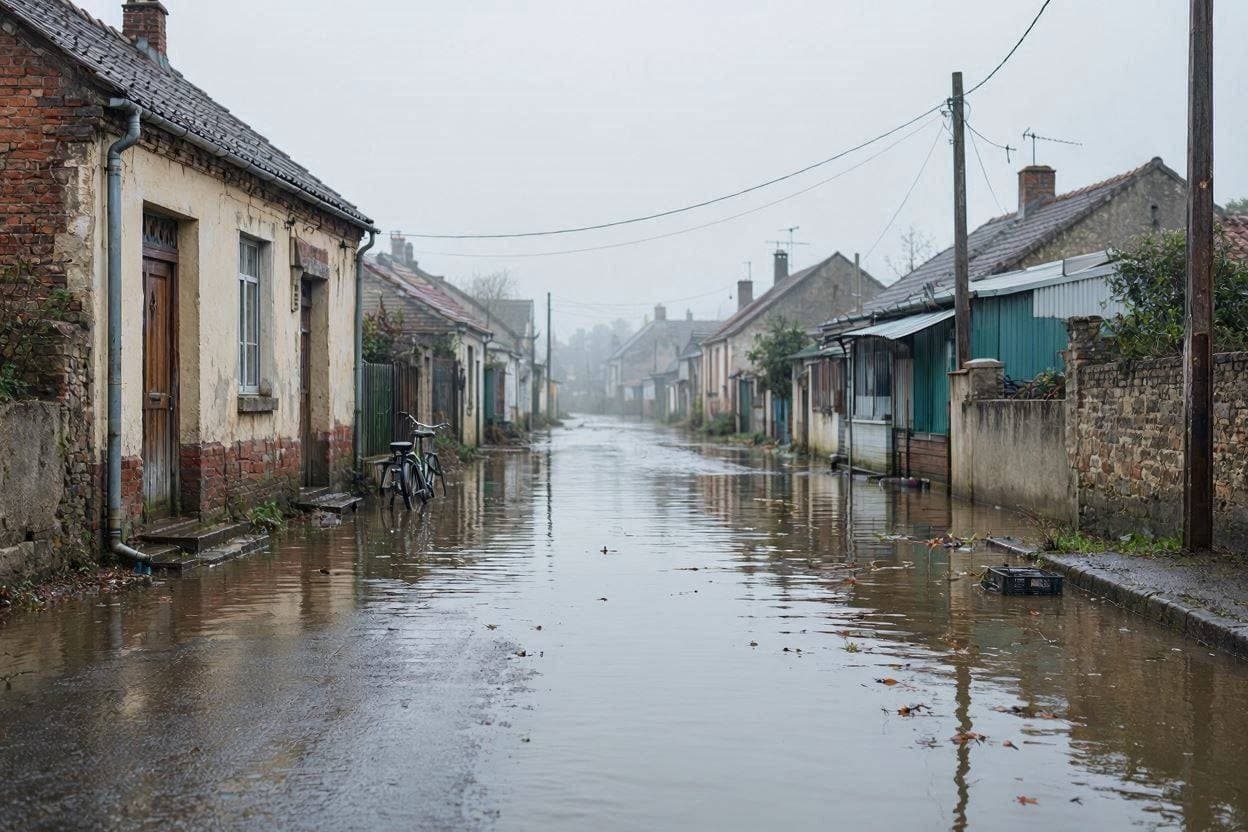
Nature, in its most untamed moments, reminds us of our vulnerability. Recent wild weather in China has not only claimed lives but also disrupted the delicate balance of local ecosystems, leading to an unusual and unsettling phenomenon: hundreds of snakes fleeing their flooded habitats. This event, while dramatic, is a poignant example of how extreme climate events can have cascading effects, impacting both human safety and wildlife behavior in unexpected ways.
Body: The severe storms and flooding displaced numerous snake species, forcing them to seek higher ground and shelter in residential areas. For residents, encountering these reptiles in their homes and streets is a source of fear and confusion. Local authorities have issued warnings and deployed teams to capture and relocate the animals, striving to protect both public safety and the snakes themselves. It is a complex task that requires knowledge of wildlife behavior and careful handling.
The death toll of 17 people highlights the destructive power of the weather itself, with flash floods and landslides causing significant damage to infrastructure and homes. These tragedies underscore the increasing frequency and intensity of extreme weather events linked to climate change. Communities are forced to adapt to new realities, strengthening emergency response systems and improving early warning mechanisms to save lives.
Ecologists point out that such displacements are becoming more common as habitats are altered by human activity and climate shifts. Snakes, often misunderstood and feared, play a crucial role in controlling pest populations. Their presence in urban areas is a sign of environmental stress rather than aggression. Educating the public about how to coexist with wildlife during such events is essential for reducing panic and preventing harm to both humans and animals.
The response to the snake influx has been a mix of caution and compassion. Animal welfare groups are working alongside government agencies to ensure that captured snakes are released into safe, suitable habitats away from populated areas. This collaborative effort reflects a growing awareness of the importance of biodiversity and the need to treat all living creatures with respect, even in times of crisis.
Infrastructure resilience is also under scrutiny, as flooding exposes weaknesses in drainage systems and urban planning. Investing in green infrastructure, such as wetlands and permeable surfaces, can help absorb excess water and reduce the risk of future floods. These nature-based solutions not only protect human communities but also provide habitats for wildlife, creating a more balanced urban environment.
As the waters recede, the focus shifts to recovery and rebuilding. Communities come together to clean up debris and support those who have lost homes or livelihoods. The experience serves as a reminder of the interconnectedness of human and natural systems, and the need for sustainable practices that respect both.
Closing: In the end, the incident of snakes on the loose is a symptom of larger environmental challenges. It calls for a holistic approach to disaster management that includes wildlife protection and climate adaptation. By learning to live with nature’s unpredictability, we can build more resilient and harmonious communities.
AI Image Disclaimer: Visuals accompanying this text are AI-generated conceptualizations intended to depict the environmental and weather-related themes.
Sources: China Daily South China Morning Post Xinhua News Agency
Note: This article was published on BanxChange.com and is powered by the BXE Token on the XRP Ledger. For the latest articles and news, please visit BanxChange.com