
Fires often begin as quiet disturbances—small, almost invisible shifts in heat and air—before unfolding into events that reshape landscapes and communities. In the area of Flanders in the , investigators with the Department of Natural Resources (DNR) are now working to understand how such a fire began, tracing its earliest sparks and identifying individuals described as “people of interest” in the ongoing inquiry.
The investigation focuses on determining the precise origin point of the fire, a process that typically involves analyzing burn patterns, wind direction, fuel sources, and witness accounts. Officials have not released detailed conclusions, but early findings suggest investigators are narrowing the timeline of how the fire first ignited and spread through surrounding areas.
Fire investigations often resemble reconstructing a story written in ash. Each burned structure, charred tree, and shifted debris field can offer clues about direction, intensity, and cause. In rural or semi-rural regions, where natural vegetation and human structures overlap, determining origin points can require careful and time-intensive analysis.
Authorities have also noted the identification of individuals considered relevant to the investigation. At this stage, the term “people of interest” does not imply formal charges but indicates that investigators believe certain individuals may have information connected to the event.
Local officials emphasize that wildfire or structural fire investigations are conducted methodically to ensure accuracy before any legal determinations are made. Public safety agencies often coordinate with forensic specialists and environmental experts to build a comprehensive understanding of such incidents.
Communities near fire-affected areas frequently experience disruption even after flames are extinguished. Concerns about property damage, environmental recovery, and public safety can continue long after the visible signs of the fire have faded.
In broader context, fire incidents across parts of the have prompted ongoing discussions about land management, climate conditions, and emergency preparedness. Investigations like the one in Flanders contribute to a wider effort to reduce future fire risks through improved understanding and prevention.
As the inquiry continues, officials are expected to refine their findings and determine whether further legal or environmental actions will follow, while residents await clearer answers about how the fire began and what may have contributed to its spread.
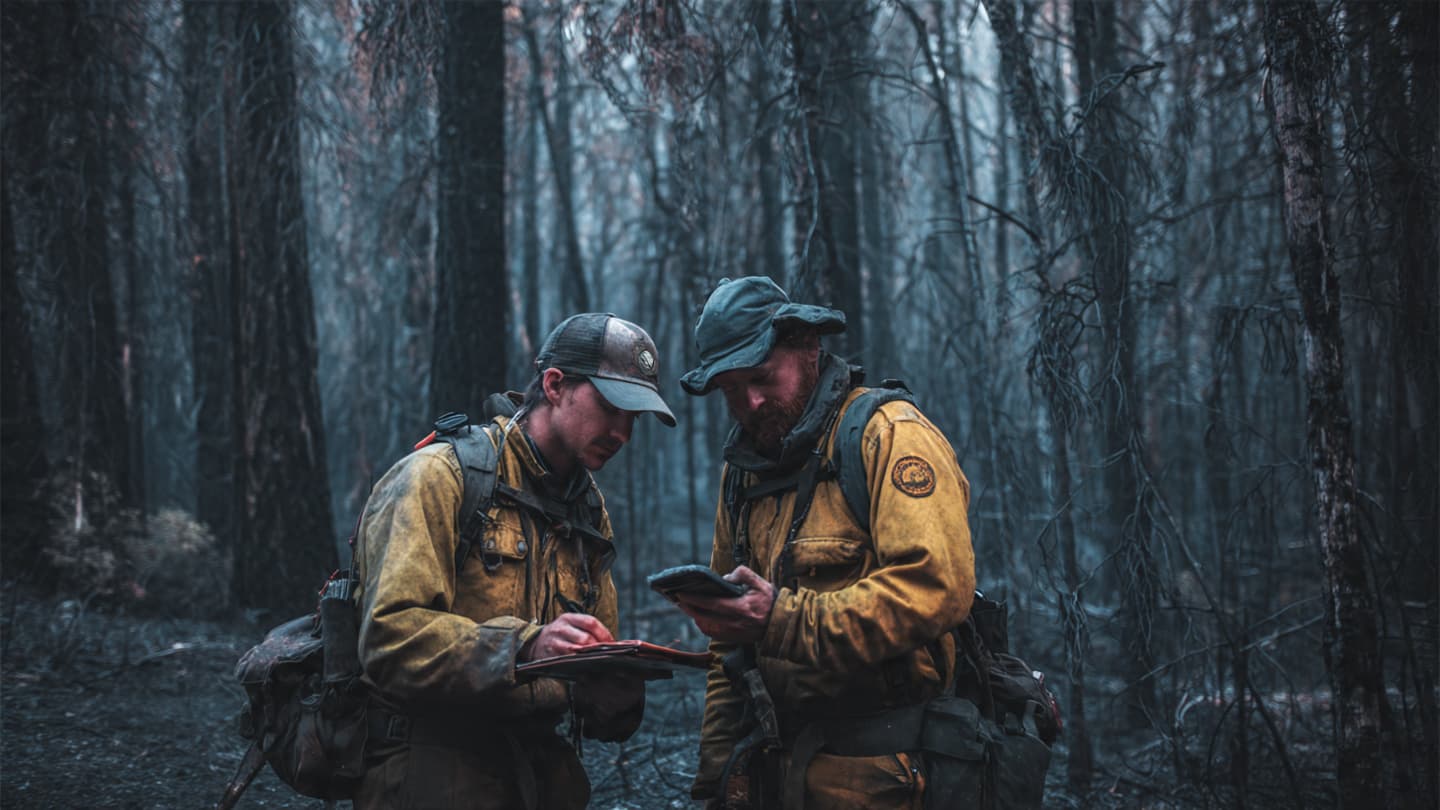
AI Image Disclaimer: Images accompanying this report are AI-generated to illustrate fire investigation environments and emergency response scenes.
Sources: Reuters, Associated Press, BBC, CNN, Local Fire Department Reports
Note: This article was published on BanxChange.com and is powered by the BXE Token on the XRP Ledger. For the latest articles and news, please visit BanxChange.com