
In the fast-moving rhythm of global food brands, expansion often arrives like a bright and confident wave—yet sometimes, as stores close and operations shift, that same wave leaves quieter currents behind. Guzman y Gomez now finds itself at the intersection of such a transition, where legal and labor questions are emerging in the United States.
The class action involving US workers centers on claims connected to closed store operations, reflecting broader tensions that can arise when international franchises adjust their business footprint. In many industries, closures can trigger disputes over employment conditions, compensation, and contractual obligations.
Guzman y Gomez, an Australian-founded fast-casual restaurant chain, has expanded its presence beyond its home market in recent years, including entry into the United States. Such expansion often involves rapid scaling, local partnerships, and adaptation to different regulatory environments.
In cases like this, class action lawsuits typically bring together multiple workers under a single legal proceeding, aiming to address shared grievances. While details vary by jurisdiction, such cases often focus on labor rights, workplace conditions, or financial entitlements following operational changes.
The broader fast-casual dining sector has experienced both growth and volatility, especially in competitive urban markets where consumer trends shift quickly. Store closures, while not uncommon, can create ripple effects for employees and local communities.
Legal experts often note that cross-border corporate operations can introduce complexity, as companies navigate differing employment laws between countries. This can shape how disputes are resolved and how responsibilities are interpreted across jurisdictions.
At the same time, brand reputation and employee relations remain central concerns for companies operating in highly visible consumer markets. How such cases unfold can influence future expansion strategies and corporate governance approaches.
As proceedings continue, the situation reflects the broader balancing act faced by global restaurant brands—where growth, regulation, and workforce stability must often align under closely watched conditions.
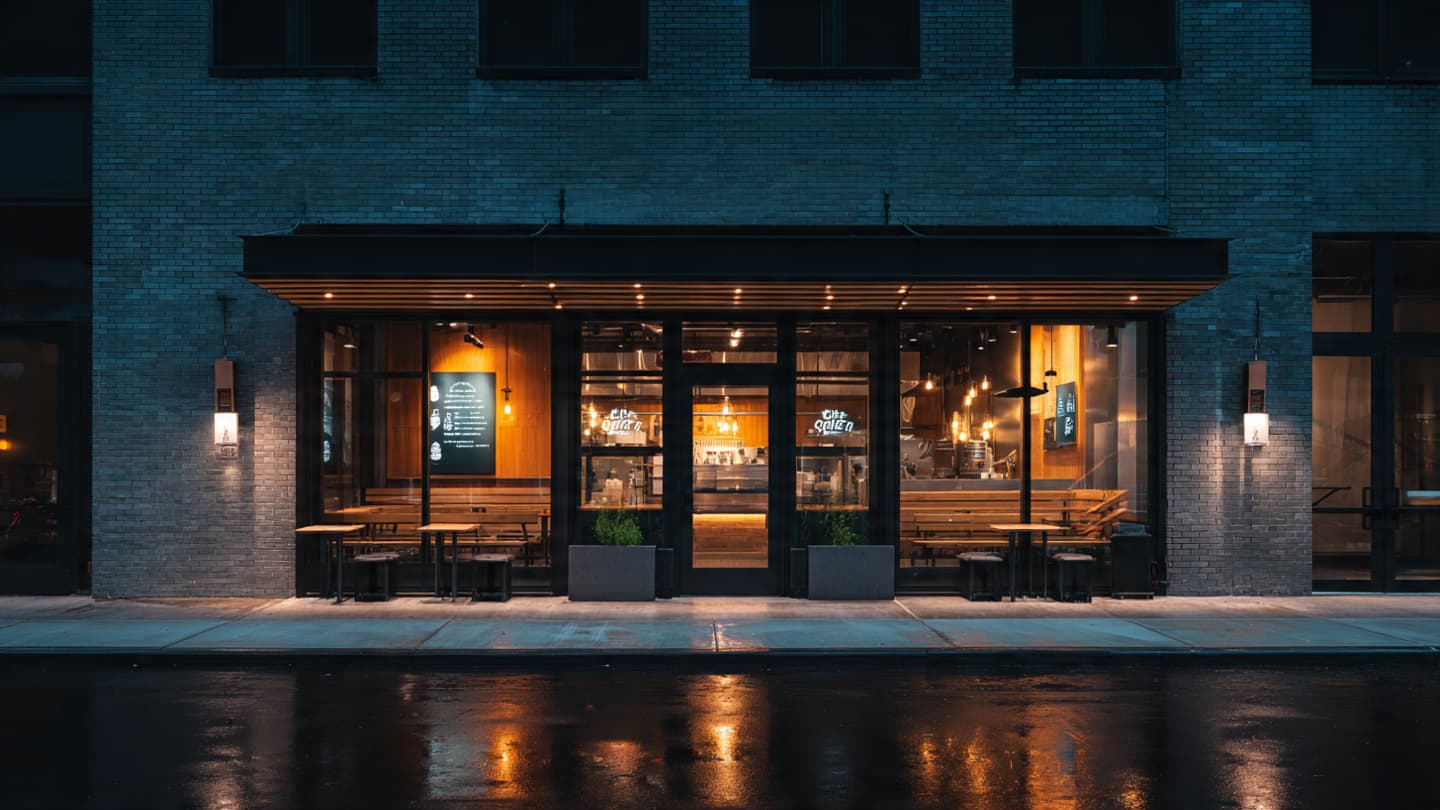
AI Image Disclaimer: Images used in this article may be AI-generated and intended for illustrative representation of business and workplace themes.
Source Verification Check: Reuters, Bloomberg, ABC News, The Guardian, Sydney Morning Herald
Note: This article was published on BanxChange.com and is powered by the BXE Token on the XRP Ledger. For the latest articles and news, please visit BanxChange.com