
Information has always shaped public understanding of the world. In every era, societies rely upon shared knowledge to make decisions, respond to challenges, and plan for the future. Yet in the digital age, information moves faster than ever before, carrying both insight and confusion along the way. Climate researchers increasingly view misinformation as one of the obstacles complicating public engagement with environmental issues.
Scientists argue that effective climate action depends not only on technological innovation and policy development but also on public understanding. When inaccurate claims spread widely, they can create uncertainty regarding scientific findings that have been established through decades of research and observation.
The challenge is not limited to outright falsehoods. Misleading interpretations, selective presentation of data, and exaggerated conclusions can all contribute to confusion. Researchers emphasize that complexity itself often becomes a vulnerability, as scientific subjects are sometimes reduced to oversimplified narratives.
Climate science encompasses a wide range of disciplines, from atmospheric research and oceanography to public health and economics. Translating this knowledge into accessible language requires careful communication. Experts increasingly recognize that scientific accuracy and public clarity must work together rather than compete.
Digital platforms have transformed how information circulates. News, commentary, analysis, and personal opinions often appear side by side, making it difficult for audiences to distinguish between evidence-based reporting and unsupported claims. This environment places greater importance on media literacy and critical evaluation.
Researchers encourage greater collaboration among scientists, educators, journalists, and institutions. Clear communication strategies can help bridge gaps between technical findings and public understanding. Transparency regarding methods, uncertainties, and evidence remains central to building trust.
The issue extends beyond environmental debates alone. Public health, disaster preparedness, and community resilience may all be influenced by how information is understood and shared. Accurate knowledge supports informed decision-making during periods of environmental change.
Educational initiatives are becoming an increasingly important response. Schools, universities, and public organizations continue developing resources designed to strengthen scientific literacy and encourage evidence-based reasoning. Such efforts seek to equip individuals with tools for evaluating complex information independently.
Experts caution against framing the conversation as a conflict between science and society. Instead, many emphasize dialogue, accessibility, and engagement. Effective communication succeeds when people feel included in the process of understanding rather than simply receiving instructions.
As discussions surrounding climate change continue to evolve, researchers believe that strengthening public access to reliable information will remain essential. The goal is not merely to correct misconceptions but to foster informed conversations capable of supporting thoughtful responses to shared global challenges.
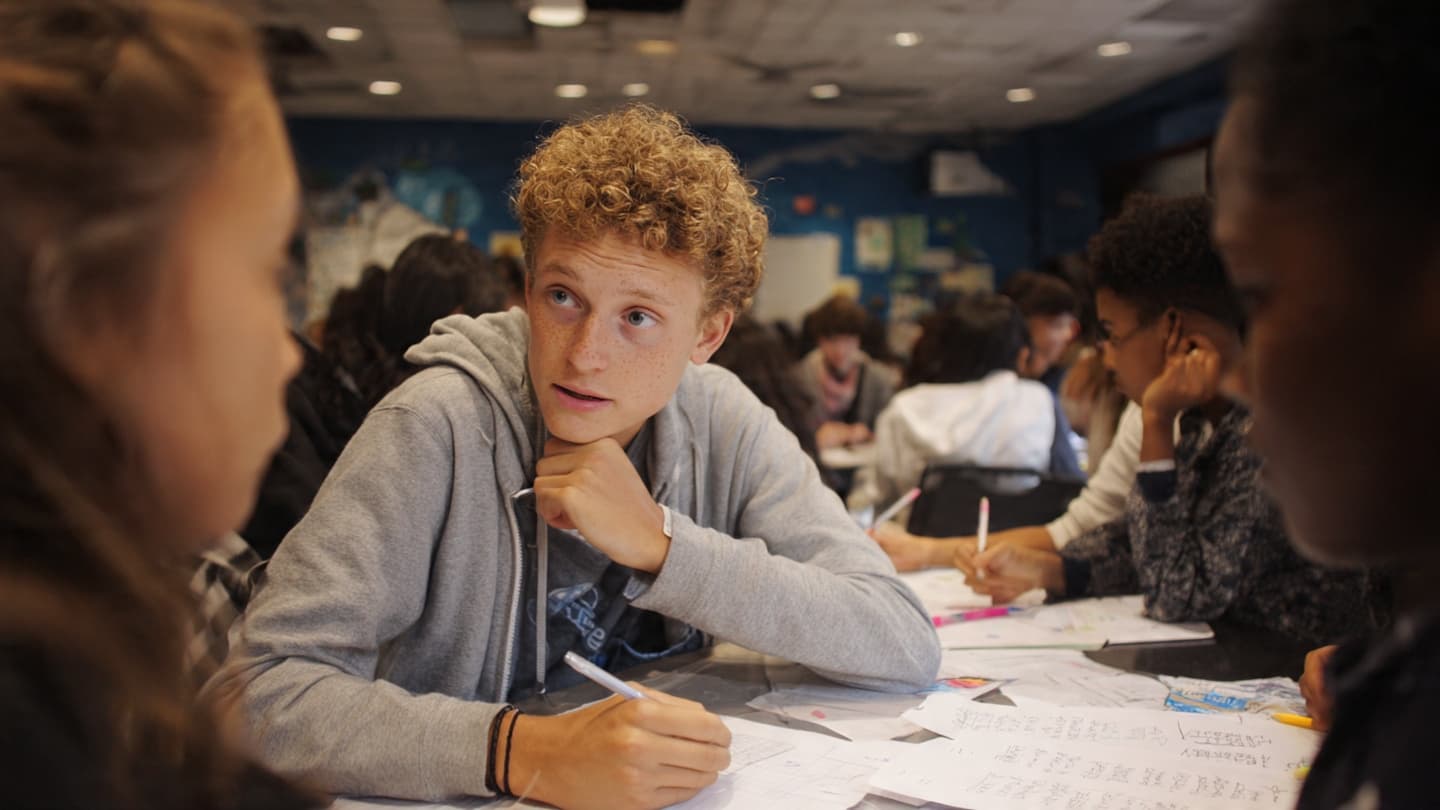
AI Image Disclaimer Visuals are created with AI tools and are not real photographs.
Source Check Credible sources identified before writing:
The Guardian Reuters World Health Organization (WHO) United Nations Environment Programme (UNEP) The Lancet
Note: This article was published on BanxChange.com and is powered by the BXE Token on the XRP Ledger. For the latest articles and news, please visit BanxChange.com