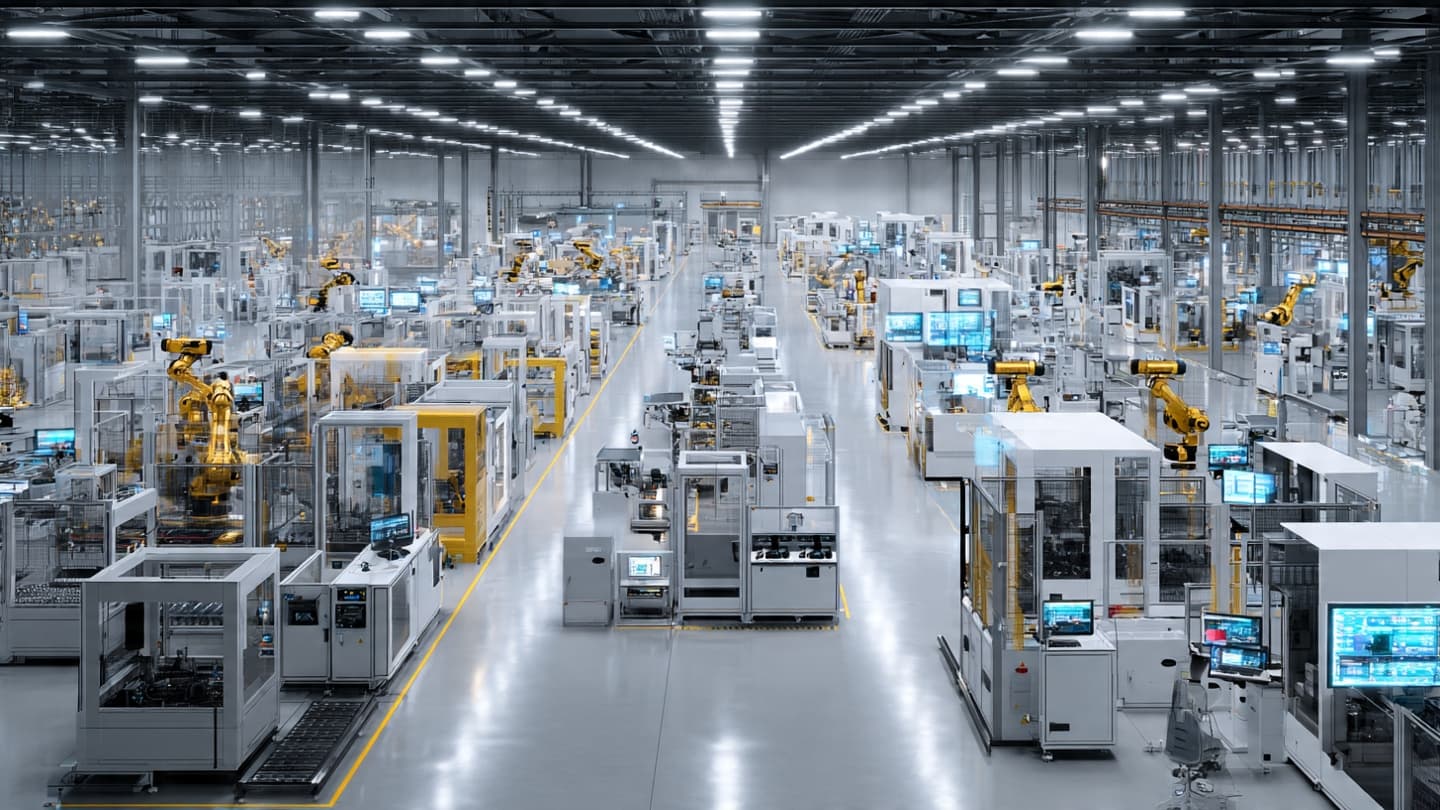
Across France's industrial landscape, factories have long served as markers of economic rhythm. Their production lines, shipments, and daily operations create a pulse that often reflects broader business conditions. Recent data suggest that this pulse has become more subdued as the country's manufacturing sector returns to contraction.
Economic indicators are often compared to weather forecasts. They cannot reveal every detail of the future, but they offer valuable clues about changing conditions. The latest manufacturing surveys indicate that businesses are facing renewed challenges after periods of cautious stabilization.
Several factors appear to be contributing to the slowdown. Companies continue to navigate elevated operational costs while balancing customer demand that remains uneven across multiple industries. In some sectors, businesses are reporting delays in new orders, prompting more careful production planning.
Manufacturing remains an important component of France's economic identity. From aerospace and automotive production to industrial equipment and specialized engineering, the sector supports extensive employment networks and contributes significantly to exports.
Business leaders increasingly describe the current environment as one of adjustment rather than crisis. While production activity has softened, many firms continue investing in efficiency improvements and digital modernization efforts designed to strengthen long-term competitiveness.
Global conditions also play an important role. International demand patterns, supply chain developments, and currency fluctuations influence manufacturing performance across Europe. As companies operate within interconnected markets, developments beyond national borders often shape domestic outcomes.
Analysts note that periods of contraction do not necessarily indicate permanent weakness. Industrial sectors frequently experience cycles influenced by inventory adjustments, customer spending trends, and broader economic expectations. Such fluctuations can become part of longer business transitions.
Meanwhile, government initiatives and private-sector investments continue targeting advanced manufacturing capabilities. Automation technologies, sustainable production methods, and digital infrastructure remain key priorities for many industrial firms seeking future growth opportunities.
The current data therefore present a mixed picture. Short-term challenges remain visible, yet long-term industrial ambitions continue to guide investment decisions across numerous sectors. Businesses appear focused on balancing immediate realities with future objectives.
For now, France's manufacturing sector enters another period of careful observation. Economists, investors, and business leaders will be watching closely for signs that production activity can regain momentum in the months ahead while adapting to an increasingly complex global marketplace.
AI Image Disclaimer Illustrations were produced with AI and serve as conceptual depictions.
Source Check Reuters, Financial Times, Bloomberg, S&P Global, Les Echos
Published by Banx Network. This article is part of the Banx decentralized media programme, powered by the BXE token on the XRP Ledger.