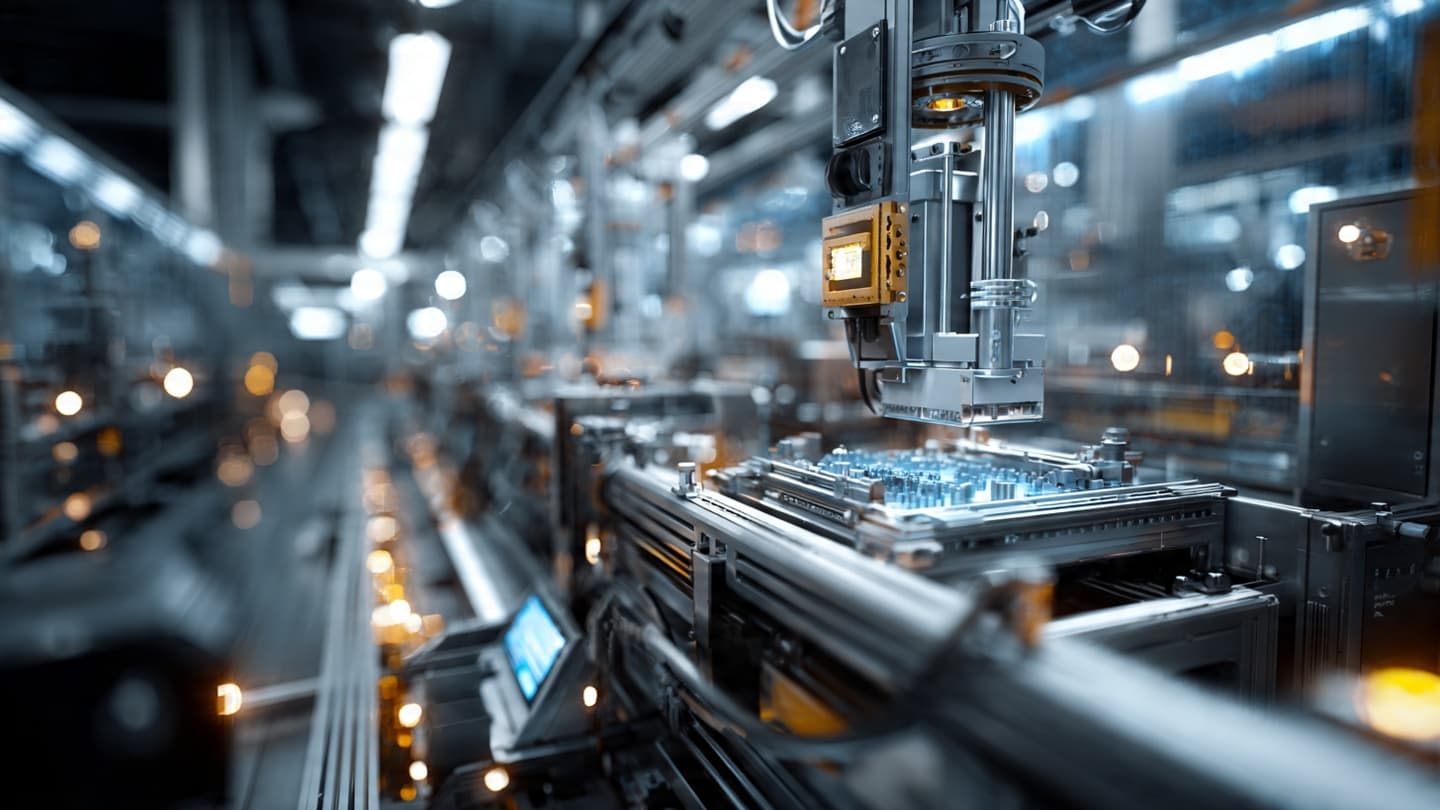
Economic trends often reveal themselves through subtle signals before they become widely visible. A hiring decision here, a new order there, and gradually a larger picture begins to emerge. In the United States, one of the clearest indicators of industrial activity has recently drawn attention as manufacturing activity reached its strongest level in four years, suggesting renewed momentum across parts of the economy.
Manufacturing has long occupied a unique place within the American economic story. Factories not only produce goods but also support extensive networks of suppliers, transportation providers, technology firms, and service companies. When manufacturing activity strengthens, its effects can ripple through multiple sectors.
Recent data points to increased production and business activity across several industries. Companies appear to be responding to steady demand, ongoing investment, and efforts to strengthen supply chains. While economic conditions continue to evolve, the latest figures suggest a level of confidence among manufacturers that has not been seen for several years.
Part of the renewed activity may reflect broader shifts in business strategy. In recent years, companies have placed greater emphasis on supply chain resilience following disruptions experienced across global markets. Many firms have reviewed sourcing strategies, inventory management, and production capabilities to improve operational flexibility.
Technology continues to play a significant role in this transformation. Modern manufacturing increasingly relies on automation, advanced analytics, robotics, and artificial intelligence. These innovations allow companies to improve efficiency while maintaining competitiveness in a rapidly changing global environment.
Investment in industrial facilities has also contributed to the sector’s performance. New production plants, equipment upgrades, and infrastructure improvements represent long-term commitments that can support future growth. Such projects often generate employment opportunities and stimulate local economic activity.
The manufacturing sector remains closely connected to consumer behavior and business confidence. Demand for vehicles, electronics, machinery, construction materials, and countless other products influences production decisions. As spending patterns evolve, manufacturers continually adjust operations to meet changing needs.
International trade remains another important factor. American manufacturers operate within a global marketplace where opportunities and challenges often emerge simultaneously. Export demand, commodity prices, transportation costs, and currency movements can all affect performance across the sector.
Economists frequently view manufacturing as an important measure of economic health because it combines production, investment, employment, and demand into a single area of activity. While no single indicator provides a complete picture, strong manufacturing performance often reflects broader confidence within the business community.
As companies continue to navigate changing economic conditions, the latest manufacturing data offers a notable sign of resilience. Whether this momentum continues will depend on a range of factors, but for now, factory floors across the United States appear to be contributing to a more active and optimistic industrial landscape.
AI Image Disclaimer Visuals are created with AI tools and are not real photographs.
Source Check Credible sources available:
Reuters Bloomberg The Wall Street Journal CNBC Financial Times
Published by Banx Network. This article is part of the Banx decentralized media programme, powered by the BXE token on the XRP Ledger.