
In the rhythm of international trade, every export shipment often carries more than goods alone. It carries stories of factories that continue to hum before sunrise, of logistics workers navigating crowded ports, and of entrepreneurs who have spent years building trust across borders. In Indonesia’s evolving export landscape, discussions about the role of state-owned enterprises have once again surfaced with quiet urgency.
The recent call from a member of the House of Representatives urging export-focused state-owned enterprises to collaborate with existing exporters reflects a broader concern about balance. Economic growth, after all, rarely flourishes in isolation. It tends to grow more steadily when institutions, private companies, and regulators move in the same direction rather than along parallel roads.
The discussion emerged alongside the formation and expansion of export-oriented state-owned initiatives designed to strengthen Indonesia’s international trade reach. Lawmakers emphasized that companies already operating in export sectors possess networks, experience, and market familiarity that should not be overlooked as new state-backed structures take shape.
According to parliamentary observations, many local exporters have spent years navigating certification systems, international pricing pressures, and fluctuating shipping costs. Their survival has often depended on adaptability rather than large financial reserves. In that context, cooperation was framed not merely as a business strategy, but as a practical effort to preserve continuity in the national export ecosystem.
The suggestion also reflects concern about market overlap. Some legislators cautioned that newly established state-linked export entities should avoid creating unnecessary competition with private exporters already contributing to national trade performance. Instead, partnerships, facilitation, and joint market access were encouraged as more constructive pathways.
Economic analysts have long noted that export competitiveness increasingly depends on coordination across sectors. From agricultural products to manufactured goods, exporters frequently require support in financing, certification, trade diplomacy, and logistics efficiency. State-owned enterprises can play a strategic role in strengthening these areas when collaboration mechanisms are clearly defined.
At the same time, observers recognize that Indonesia continues to pursue broader export ambitions amid uncertain global conditions. Slowing demand in several regions, currency fluctuations, and evolving trade regulations have created pressures for exporters across Southeast Asia. In such an environment, institutional cohesion becomes especially important.
The parliamentary appeal therefore arrives as both a policy reminder and a reflection of wider economic realities. Rather than viewing export development as a contest between public and private sectors, lawmakers suggested that Indonesia’s trade future may depend more on partnership and continuity than on institutional rivalry.
As discussions continue, the direction ultimately taken could influence how effectively Indonesia balances state participation with private sector resilience in the years ahead.
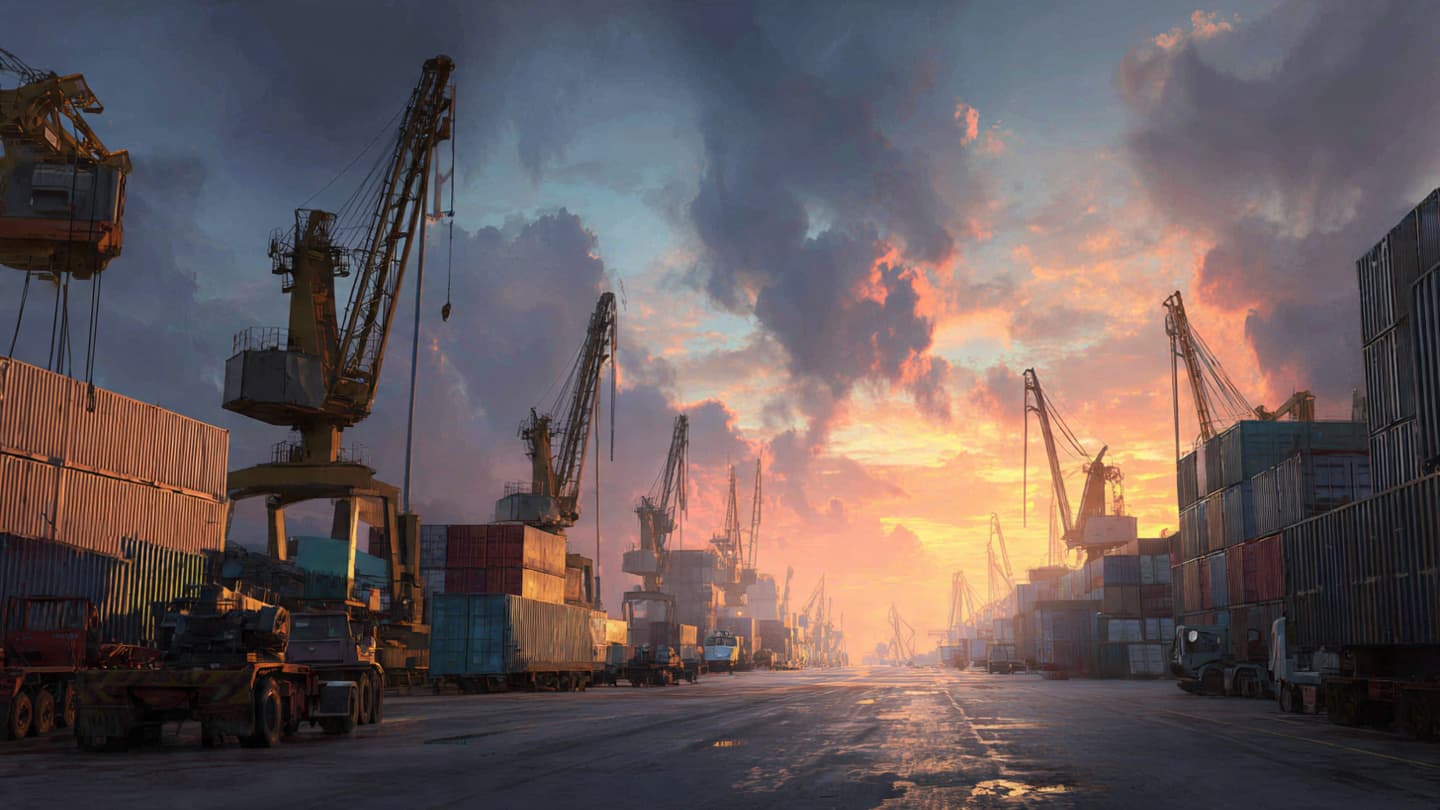
AI-generated illustration disclaimer: Some accompanying visuals for this article were created using artificial intelligence to illustrate the broader trade and export environment.
Sources: , , CNN Indonesia, Bisnis Indonesia, Kontan
Note: This article was published on BanxChange.com and is powered by the BXE Token on the XRP Ledger. For the latest articles and news, please visit BanxChange.com