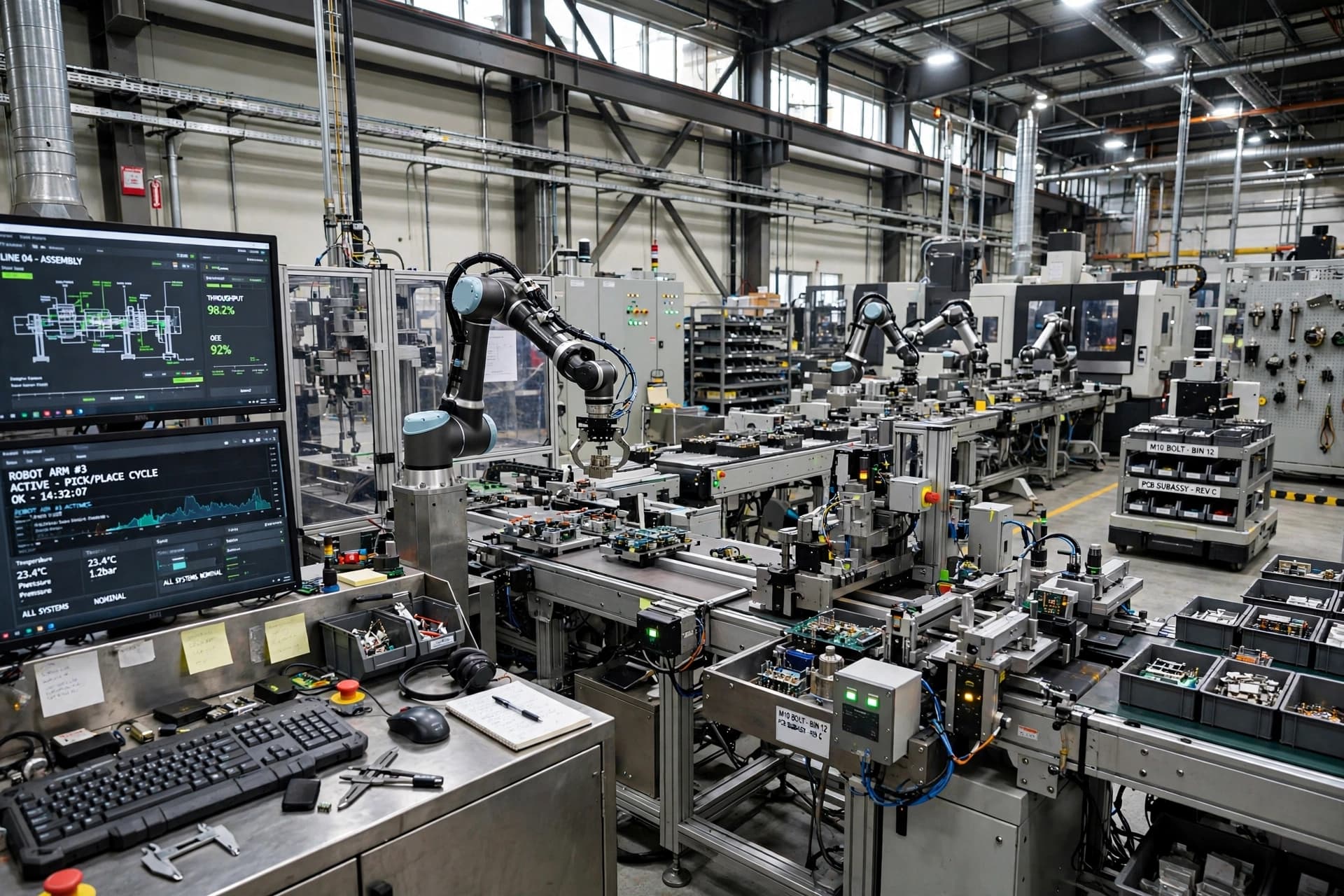
The automobile has long symbolized movement, freedom, and ambition. Across generations, cars carried families through expanding suburbs, connected cities through highways, and shaped entire economies around steel, fuel, and manufacturing. Yet even industries once considered unstoppable eventually encounter quieter seasons where the road ahead becomes less certain.
Toyota recently reported its third consecutive month of declining sales, adding another signal to the broader transformation unfolding within the global automotive market. While the company remains one of the world’s most influential car manufacturers, the slowdown reflects pressures affecting much of the industry as consumer habits, economic conditions, and technological expectations continue evolving simultaneously.
For decades, the automotive business relied upon relatively predictable rhythms. Consumers upgraded vehicles every few years, manufacturers optimized global supply chains, and dealerships anchored local economies. But recent years disrupted those patterns through pandemic-related shortages, inflation concerns, shifting labor costs, and accelerating interest in electric mobility.
Today, many buyers approach large purchases with increased caution. Higher interest rates in several major economies have made financing vehicles more expensive, while economic uncertainty continues influencing household spending decisions. Consumers increasingly weigh long-term fuel efficiency, maintenance costs, and technological relevance before committing to purchases that once felt routine.
At the same time, the automotive sector is navigating one of the largest industrial transitions in its history. Electric vehicles, battery technologies, autonomous driving systems, and connected software platforms are reshaping how companies compete. Traditional manufacturers now balance maintaining existing gasoline-powered markets while investing heavily in future technologies whose profitability remains uncertain.
Toyota occupies a particularly interesting position within that transition. The company built much of its modern reputation through hybrid innovation and operational efficiency, yet it has sometimes faced criticism for moving more cautiously toward fully electric vehicles compared to certain competitors. Supporters argue that Toyota’s measured approach reflects practical realism regarding infrastructure and consumer readiness.
Industry analysts suggest the current sales slowdown may partly reflect broader market recalibration rather than permanent decline. Supply chains have improved compared to earlier pandemic disruptions, but consumer demand remains uneven across regions. Some markets continue recovering strongly, while others experience softer purchasing activity due to inflationary pressures and economic caution.
Beyond economics, the changing meaning of mobility itself is influencing automotive strategy. Younger consumers in urban areas increasingly prioritize digital connectivity, sustainability, and flexible transportation options over traditional notions of vehicle ownership. Carmakers now compete not only through engineering, but through software ecosystems, subscription services, and integrated digital experiences.
Manufacturing companies also face rising pressure to address environmental expectations. Governments worldwide continue introducing stricter emissions standards while consumers grow more attentive to sustainability concerns. This transition requires enormous investment in battery production, renewable supply chains, and research infrastructure—costs that weigh heavily even on global industry leaders.
Still, Toyota’s long history demonstrates resilience through periods of transformation. The company has weathered oil crises, financial downturns, supply shortages, and changing consumer trends across decades. While current sales figures reflect present challenges, they may also represent another chapter in the industry’s gradual adaptation to a future still taking shape.
As vehicles continue moving through crowded city streets and quiet suburban roads around the world, the automotive industry itself remains in motion beneath the surface. Toyota’s recent slowdown is not simply about numbers on sales charts. It is part of a larger story about how industries built during one century learn to navigate the uncertainties of another.
AI IMAGE DISCLAIMER: Graphics are AI-generated and intended for representation, not reality.
SOURCES CHECK: Reuters Bloomberg Nikkei Asia Financial Times CNBC
Published by Banx Network. This article is part of the Banx decentralized media programme, powered by the BXE token on the XRP Ledger.