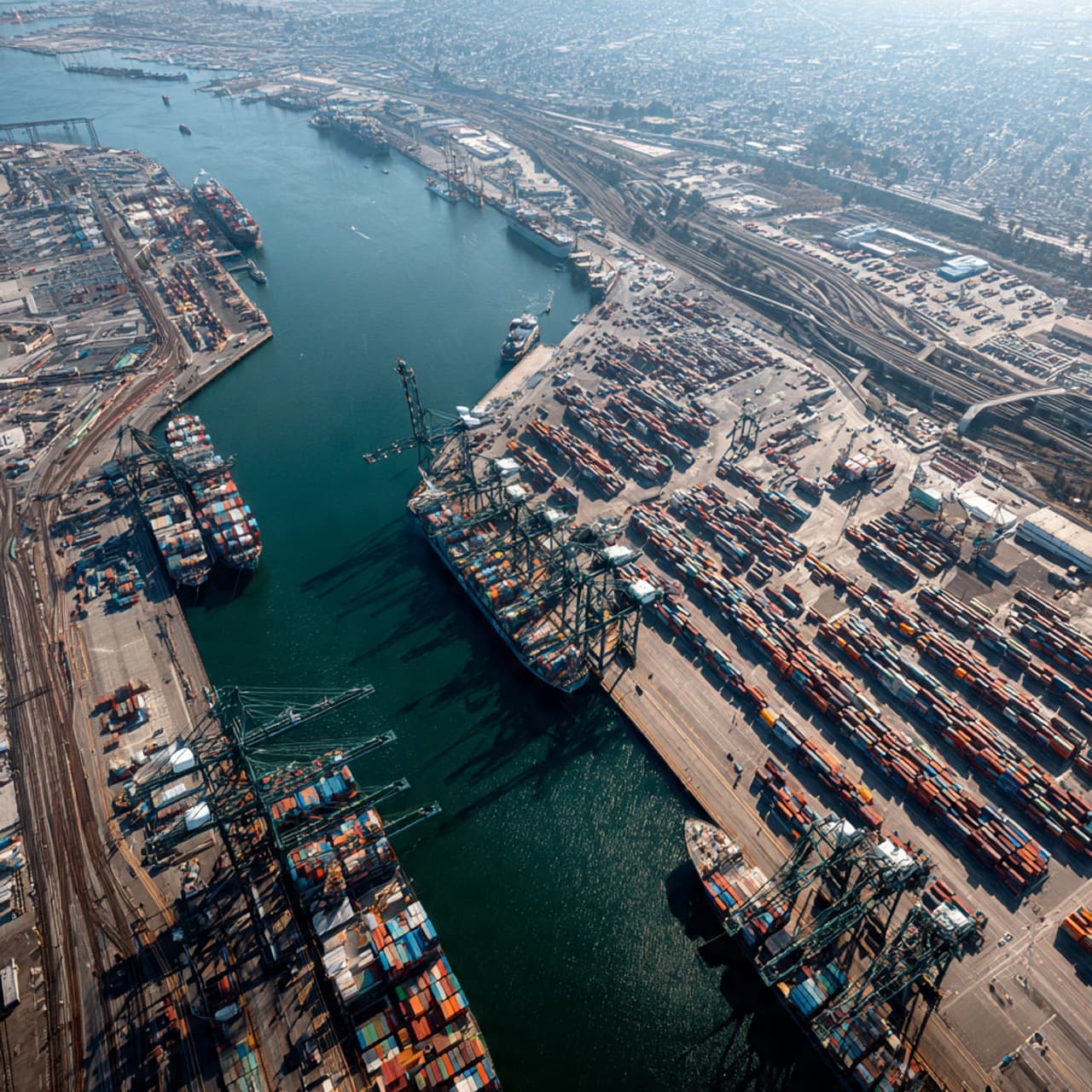
The modern supply chain is often compared to a carefully synchronized orchestra. Raw materials move from one continent to another, factories transform components into finished products, and transportation networks deliver those goods to businesses and consumers around the world. When every part of the system operates smoothly, the complexity remains largely invisible. Yet when uncertainty emerges in one critical area, the effects can quickly spread throughout the entire network. Recent energy-related risks have become one of the latest challenges confronting global supply chains.
Energy plays a fundamental role in international commerce. Cargo ships, trucks, rail networks, aircraft, warehouses, and manufacturing facilities all depend upon reliable fuel and power supplies. Because of this dependence, fluctuations in energy markets can influence costs across nearly every stage of production and distribution. Businesses are therefore paying close attention as uncertainty surrounding energy supplies and transportation routes continues to shape market conditions.
The issue extends beyond the price of oil alone. Companies must also consider shipping availability, insurance expenses, transportation reliability, and delivery schedules. Even modest increases in operating costs can become significant when multiplied across large international logistics networks. For organizations managing thousands of shipments each year, efficiency remains essential to maintaining competitiveness.
Recent years have demonstrated how vulnerable supply chains can be to unexpected disruptions. The pandemic, port congestion, labor shortages, and geopolitical tensions exposed weaknesses within global logistics systems. In response, many companies invested heavily in resilience strategies designed to reduce dependence on single suppliers or transportation corridors. These efforts have improved flexibility, but challenges remain.
Manufacturers continue to face difficult decisions regarding inventory management and sourcing. Holding larger inventories can provide protection against disruptions, yet it also increases storage costs and ties up capital. Conversely, lean supply-chain models improve efficiency but may leave businesses more exposed when transportation or energy-related problems arise. Finding the right balance has become a central concern for many organizations.
Transportation providers are adapting as well. Shipping companies, freight operators, and logistics firms are using advanced planning tools to monitor changing conditions and optimize routes. Technology has improved visibility across supply networks, enabling businesses to identify potential problems earlier than in the past. Nevertheless, no system can completely eliminate the impact of broader market uncertainty.
The effects of energy risks are also being felt by consumers. Higher transportation and production costs can eventually influence the prices of everyday goods, from household products to industrial materials. While companies often attempt to absorb some additional expenses, sustained cost increases may ultimately be reflected throughout the broader economy.
Financial markets have taken note of these developments. Investors recognize that supply-chain stability remains an important factor influencing corporate performance and economic growth. Companies with diversified sourcing strategies and strong logistical capabilities are often viewed as better positioned to navigate uncertain conditions, while industries heavily dependent on transportation costs face greater scrutiny.
Governments and policymakers are increasingly focused on supply-chain security as part of broader economic planning. Investments in infrastructure, energy diversification, and domestic manufacturing capabilities are being explored in many countries as ways to reduce vulnerability to external disruptions. These initiatives reflect growing recognition that resilient supply chains contribute directly to economic stability.
For now, businesses continue adapting to an environment shaped by evolving energy risks and logistical challenges. The situation highlights an important reality of modern commerce: global supply chains are not merely transportation systems but interconnected networks that rely on stable energy markets, efficient infrastructure, and international cooperation. As companies navigate these pressures, resilience and flexibility remain among the most valuable assets in an increasingly uncertain world.
AI Image Disclaimer
Graphics are AI-generated and intended for representation, not reality.
Sources
Reuters Bloomberg Financial Times CNBC S&P Global Commodity Insights
Published by Banx Network. This article is part of the Banx decentralized media programme, powered by the BXE token on the XRP Ledger.