
Global energy markets often resemble a vast ocean whose surface appears calm until distant currents begin to shift. Decisions made in one region can send ripples across continents, influencing prices, trade routes, and diplomatic priorities. In recent months, those currents have once again drawn attention toward the relationship between energy security and international cooperation.
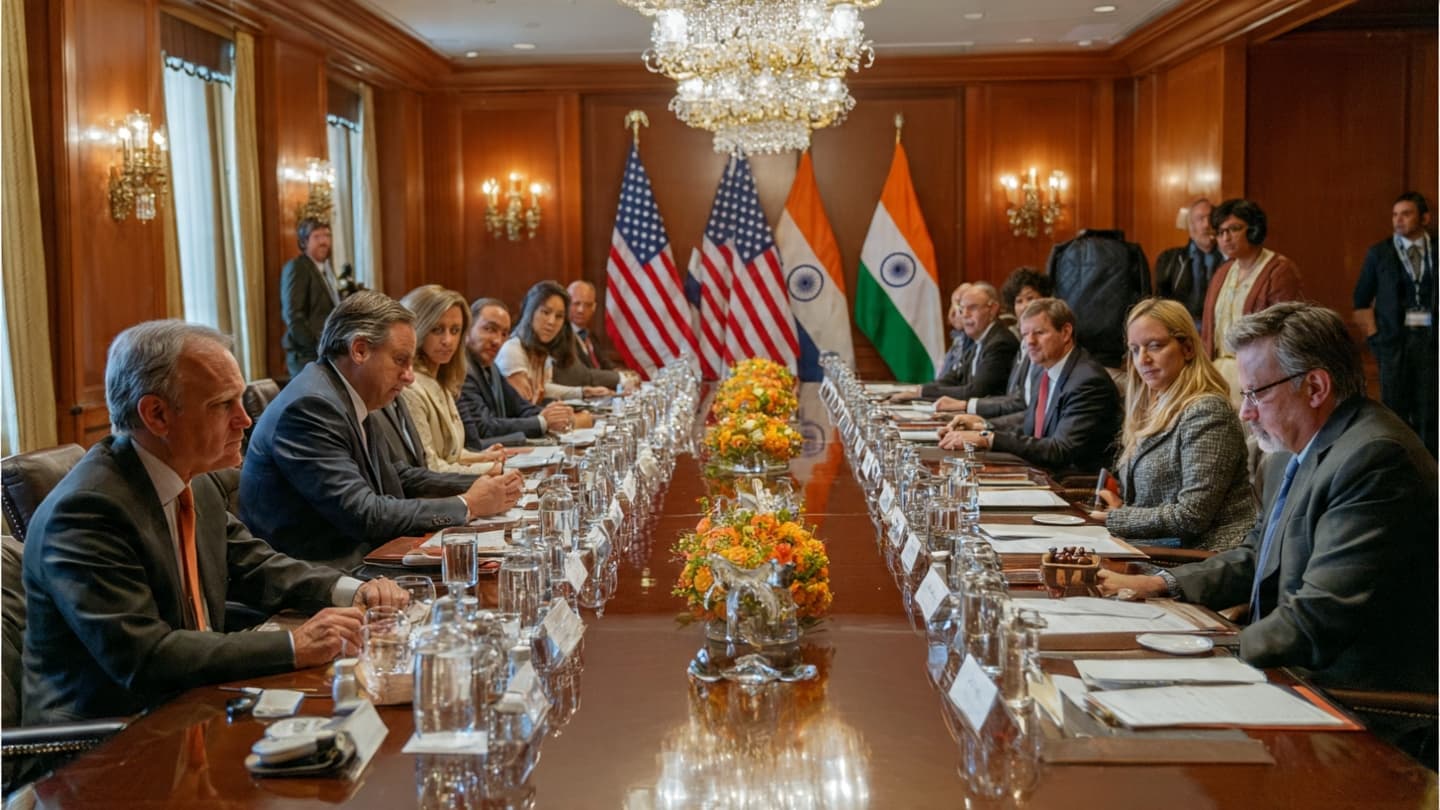
Against this backdrop, U.S. Secretary of State Marco Rubio traveled to India as Washington intensified efforts to strengthen energy ties with one of the world’s fastest-growing economies. The visit came amid continuing volatility linked to reduced flows of Iranian crude oil and concerns about the stability of global supply chains.
India remains among the largest consumers of imported energy. As economic growth continues and industrial demand expands, securing reliable sources of oil and natural gas has become a central priority for policymakers in New Delhi. Energy diversification has increasingly shaped the country’s international partnerships.
American officials have promoted the United States as a dependable supplier capable of helping meet India’s long-term energy requirements. Discussions reportedly included crude oil exports, liquefied natural gas shipments, infrastructure investment, and broader cooperation in energy technology and supply-chain resilience.
The timing of the visit reflects broader market conditions. Restrictions affecting Iranian oil exports have contributed to uncertainty in global energy markets, prompting major importing countries to reassess procurement strategies. While multiple factors influence oil prices, disruptions involving large exporters often generate concern among governments and businesses alike.
India has traditionally balanced relationships with a wide range of energy-producing nations. Officials in New Delhi continue to emphasize the importance of affordability, supply security, and strategic flexibility. As a result, India frequently seeks diverse sources of energy rather than relying heavily on a single supplier.
For Washington, strengthening commercial ties with India extends beyond energy sales alone. Analysts view cooperation in energy as part of a wider strategic partnership encompassing trade, technology, manufacturing, and regional security. Energy agreements can serve as both economic arrangements and diplomatic instruments.
Business leaders have also monitored the discussions closely. Long-term contracts for energy supplies can provide predictability for importers while creating opportunities for exporters. Such agreements often influence infrastructure planning, investment decisions, and industrial development over many years.
Meanwhile, global markets continue to watch developments involving Iran and other major producers. Any significant change in export volumes, sanctions policies, or geopolitical tensions could affect supply conditions and market expectations in the months ahead.
For now, Rubio’s visit underscores a familiar reality of modern diplomacy: energy remains more than a commodity. It is also a bridge connecting national interests, economic ambitions, and strategic partnerships in an increasingly interconnected world.
AI Image Disclaimer
Images in this article are AI-generated illustrations, meant for concept only.
Sources
Reuters, Bloomberg, Financial Times, The Wall Street Journal, CNBC
Note: This article was published on BanxChange.com and is powered by the BXE Token on the XRP Ledger. For the latest articles and news, please visit BanxChange.com