Morning arrived differently across eastern Flores on August 15. The light was barely settling over the landscape when the ground began to move, turning roads, buildings, and familiar surroundings into unstable ground. A magnitude 7.7 earthquake struck off eastern Indonesia, sending a powerful shock through communities in East Nusa Tenggara and beginning a rescue operation that would continue into the following days.
The earthquake struck offshore, with the epicenter reported north-northwest of Ende at a depth of about 10 kilometers. Its force was followed by numerous aftershocks, while landslides blocked roads and complicated access to some of the areas closest to the epicenter. The geography that normally connects villages across Flores instead became one of the central challenges facing rescuers.
By August 17, Reuters reported that at least 54 people had died, with thousands displaced from their homes. Rescue teams continued searching damaged areas while authorities worked to move food, water, tents, medical supplies, and emergency personnel toward communities affected by the disaster.
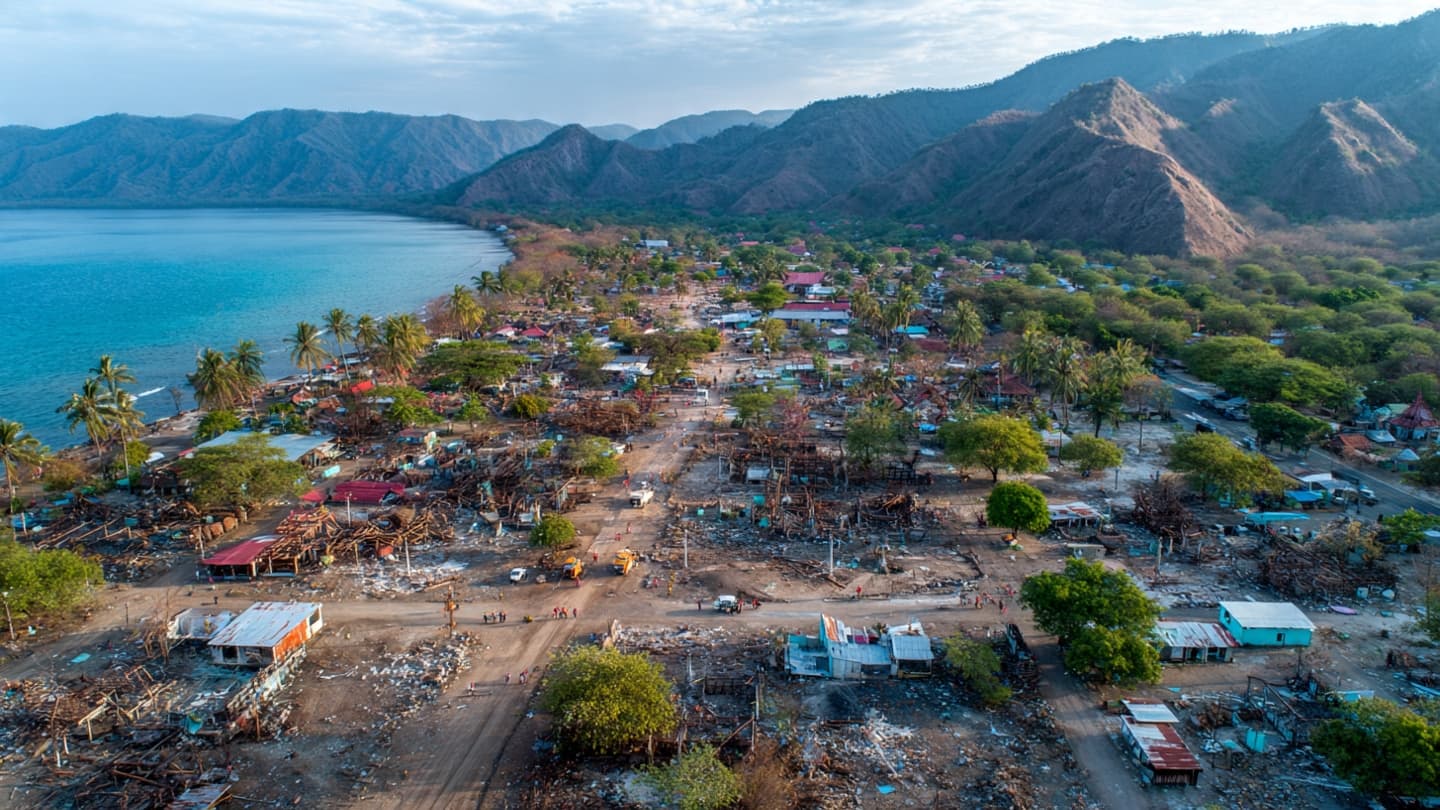
The scale of the damage was not measured only in collapsed structures. In several communities, electricity and communications were disrupted, while roads became difficult or impossible to pass. The combination left some residents waiting for assistance while rescue workers attempted to reach locations where conventional vehicles could not easily travel.
In Sikka and neighboring areas, thousands of residents moved into temporary shelters. Many were sleeping in tents or other improvised spaces, uncertain about when it would be safe to return home. Aftershocks added another layer of uncertainty, making damaged structures and unstable slopes especially difficult environments for both residents and rescuers.
The earthquake also produced small tsunami waves along parts of the coast. According to reports, the highest recorded wave reached about 1.61 meters at Riung village. Authorities issued tsunami warnings after the earthquake and later lifted them as monitoring showed that a larger threat was no longer developing.
For emergency teams, the work has therefore unfolded against a landscape that keeps changing. More than a thousand aftershocks were reported, while helicopters and specialized rescue equipment were being used to support operations in areas where roads remained blocked. Thousands of personnel were deployed as authorities declared an emergency situation in East Nusa Tenggara to accelerate the movement of assistance.
Indonesia's location along the Pacific Ring of Fire makes earthquakes a recurring part of the country's natural landscape, but each disaster arrives with its own geography and consequences. Flores has experienced destructive earthquakes before, and the latest event has again placed the vulnerability of remote communities in sharp focus without erasing the ordinary lives that continue around them.
As rescue operations continue, attention remains on locating survivors, treating the injured, and delivering basic supplies to displaced communities. The immediate priority is still practical: reaching isolated areas, stabilizing damaged infrastructure, and providing shelter and medical care while aftershocks continue.
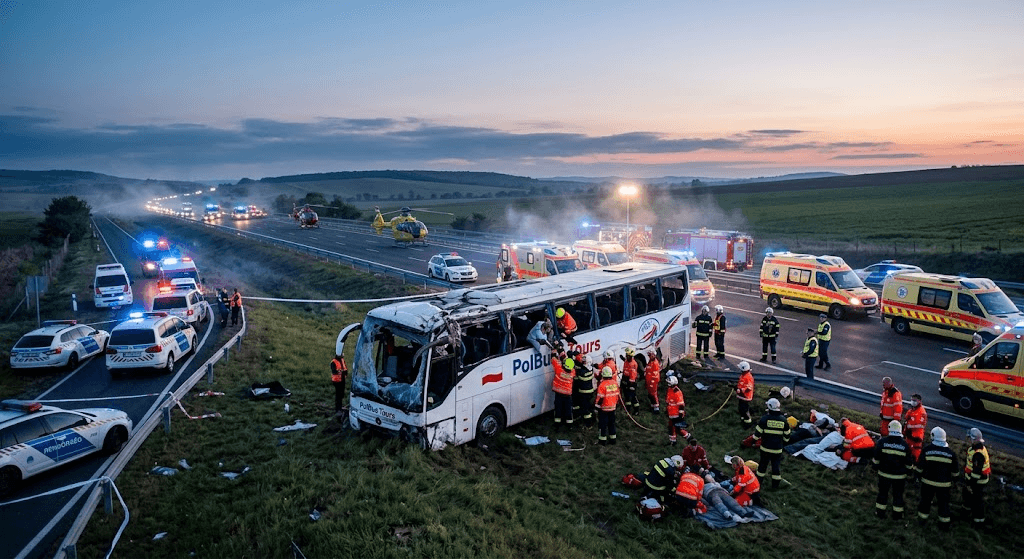
Image Disclaimer Visuals are AI-generated and serve as conceptual representations of the reported earthquake and rescue response.
Sources Reuters Associated Press
Note: This article was published on BanxChange.com and is powered by the BXE Token on the XRP Ledger. For the latest articles and news, please visit BanxChange.com