
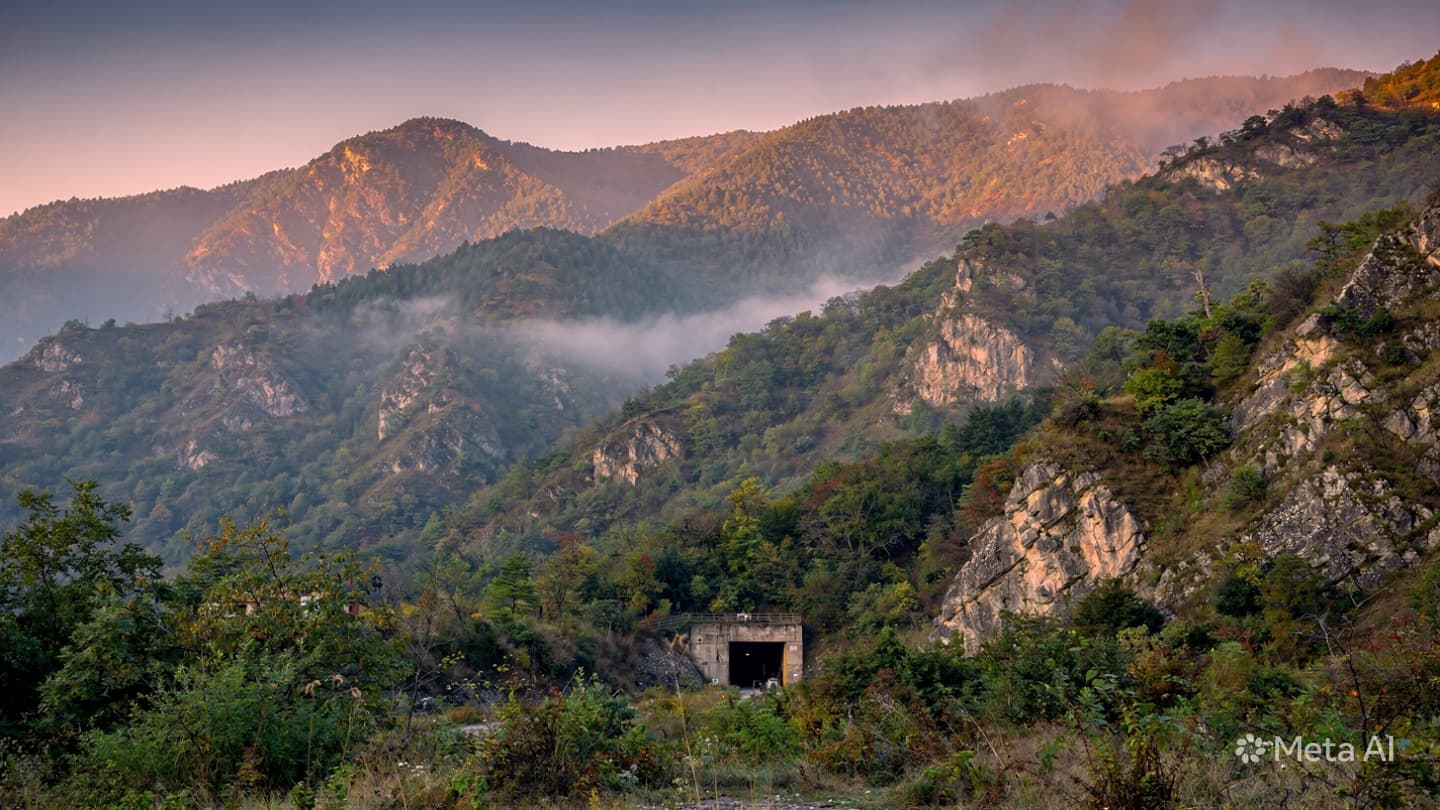
The earth has a memory, and sometimes, it settles with a sudden, unforgiving finality that alters the quiet rhythm of a mountain town. In Zonguldak, where the veins of coal run deep beneath the rugged landscape, the morning air is often thick with the promise of industry, a persistent hum that sustains families and defines generations. Yet, beneath the surface, the darkness is absolute, a silent domain where the boundaries between light and shadow blur, and where the precarious nature of labor often clashes with the immutable weight of the crust above.
It is a place defined by its verticality—the high, green ridges of the Black Sea region and the deep, carved tunnels that reach into the very foundation of the land. Here, time is not measured by the arc of the sun, but by the slow rotation of shifts and the rhythmic strike of tools against stone. When that silence is broken by the muffled groan of shifting rock, the world above holds its breath, waiting for the echo of recovery or the heavy stillness of loss.
For those who toil in the depths, the work is a dialogue with the geology of a region built on energy. There is a profound, almost primal expectation of safety, an unspoken pact between the worker and the gallery wall. Yet, in the irregular corridors of unlicensed operations, that pact is fragile, often frayed by the urgency of necessity and the persistent pull of an economy that demands more than the ground is always willing to give.
When the structural integrity of a tunnel fails, the aftermath is a study in frantic, desperate precision. Above, the landscape remains indifferent, the trees swaying in the coastal breeze, oblivious to the upheaval unfolding hundreds of meters below. Down there, the air turns heavy with the dust of centuries, and the focus narrows to the span of a few meters where life, momentarily pinned, waits for the intervention of those who understand the language of debris.
Rescuers move with a deliberate, haunting intensity, their headlamps cutting through the gloom like dying stars. Theirs is a race against the shifting geometry of the tunnels, a calculated effort to navigate the chaos of a collapse. The sounds are muffled—the scraping of metal on stone, the urgent calls that bounce off the narrow walls, and the distant, constant hum of machinery that marks the boundary between the active world and the void.
The tragedy of such moments is not merely in the loss itself, but in the recurrence of the shadow. It is a story told in the language of fractured timber and fallen shale, a reminder that the cost of progress is often paid in the most vulnerable currency of all. The community, bound by the shared history of the mines, gathers at the perimeter, a silent congregation of worry and memory, waiting for the names that define the tally of the day.
As the sun sets over the Black Sea, casting long, bruised shadows across the valley, the focus turns from the frantic pulse of the rescue to the somber duty of accounting. The mountains remain, stolid and vast, holding the secrets of the day’s violence within their ancient, unmoving grip. There is no triumph in the recovery of the fallen; there is only the quiet, heavy duty of honoring what was lost.
Official reports note that three individuals perished during a collapse at an unlicensed coal mine in Zonguldak on June 18, 2026. Local authorities have secured the site and launched a formal inquiry into the circumstances surrounding the operation. The bodies have been recovered and transported to the local medical center as the investigation into site safety compliance continues.
Note: This article was published on BanxChange.com and is powered by the BXE Token on the XRP Ledger. For the latest articles and news, please visit BanxChange.com