
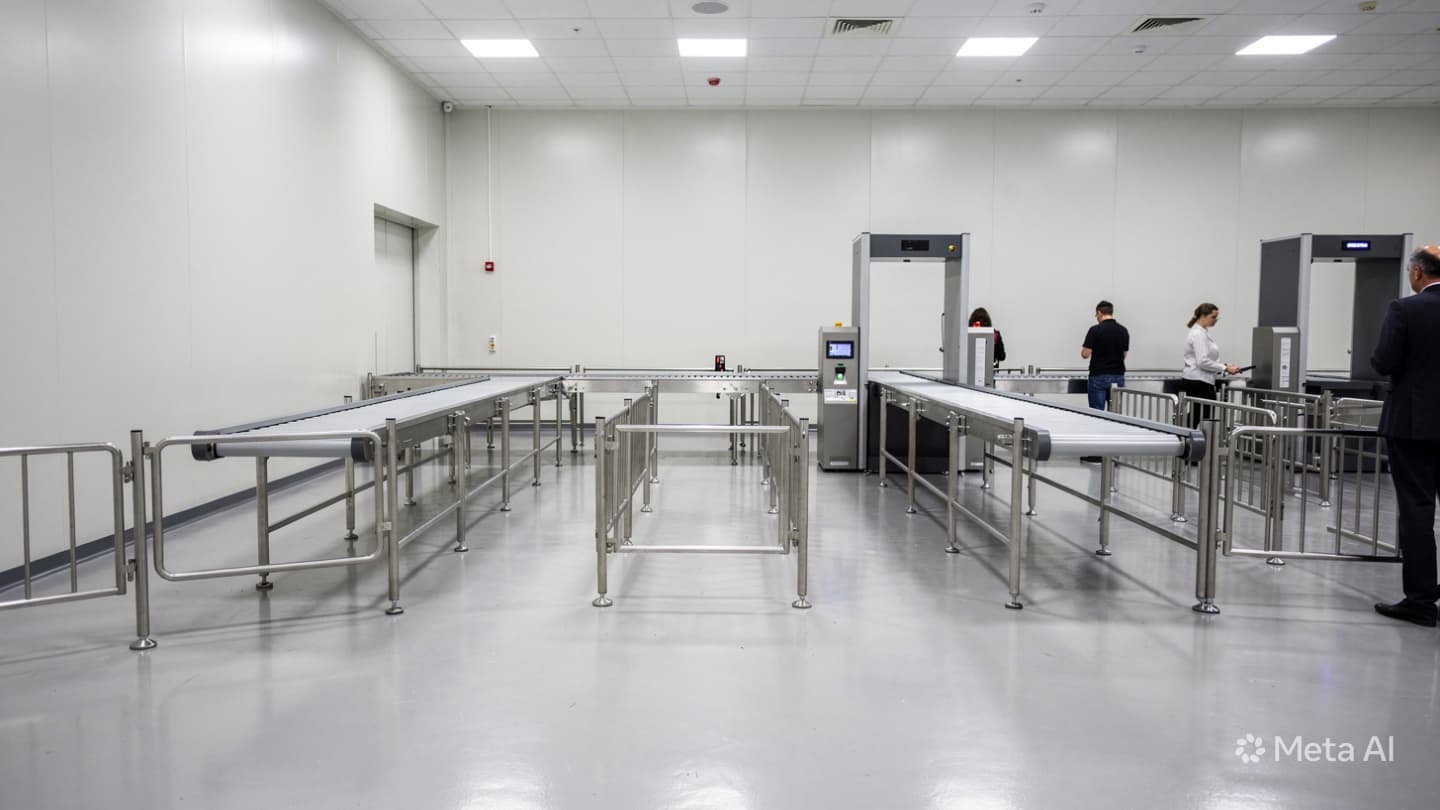
The security checkpoint exists as an invisible, yet absolute, line in the fabric of our daily movement—a place where the necessity of order encounters the unpredictable nature of the human element. For those who pass through it, it is a brief pause in a larger journey, a moment to be checked and allowed to continue. For those who stand guard, it is a constant state of vigilance, a quiet, repetitive exercise that demands a level of readiness that is difficult to sustain over long hours in the heat and the dust.
There is a profound, chilling gravity to an incident that occurs within such a setting, where the very tools meant to maintain safety and control become the instruments of a life’s sudden, irrevocable end. The accidental discharge of a weapon at a checkpoint is a rupture of the expected order, a moment where the cold, metallic logic of security is overridden by the frailty of human error. It is a reminder that even in the most structured environments, the margin for a mistake is terrifyingly thin.
To contemplate this event is to step away from the political or institutional analysis and look, instead, at the human reality of the situation. The officer involved, the victim, and those who witnessed the incident are all suddenly cast into a narrative they did not choose, a moment of profound isolation and grief. The checkpoint, once a place of routine procedure, becomes a landmark of tragedy, a space where the atmosphere of duty is replaced by the stillness of disbelief.
Authorities are tasked with the difficult work of dissecting what went wrong, analyzing the procedures, the training, and the precise sequence of events that led to the accidental discharge. It is a necessary, clinical process—a search for accountability in a situation where the desire for clarity is hindered by the emotional weight of the loss. They look for the gaps in the protocol, the lapses in discipline, and the mechanical failures that may have contributed, all in the hope that such a moment might not be repeated.
Yet, beyond the findings of the report, there remains the broader, more reflective question of how we balance the necessity of security with the inherent risks of weaponized order. We delegate to these checkpoints our own sense of safety, yet we are rarely forced to confront the potential for these systems to fail in such a quiet, devastating way. The incident leaves us with a sense of unease, a realization that our daily lives are protected by processes that are just as fallible as the people who carry them out.
Public response to the incident has been characterized by a somber call for enhanced training and stricter adherence to firearm handling protocols at all checkpoints. It is a measured, necessary plea, reflecting an understanding that the individuals at these posts are often working under significant stress and pressure. The desire for a safer system is universal, even as the grief for the individual lost remains personal and deeply felt by the family and colleagues involved.
The Ministry of Internal Affairs has launched a formal review of all firearm safety protocols at security checkpoints following the incident on June 18, 2026. The department has stated that they are cooperating fully with the investigation and are providing support to the family of the victim as they navigate the aftermath of this tragedy.
Note: This article was published on BanxChange.com and is powered by the BXE Token on the XRP Ledger. For the latest articles and news, please visit BanxChange.com