
Financial markets often appear focused on numbers—prices, indices, earnings, and forecasts. Yet behind every figure lies a wider story shaped by human decisions, global events, and shifting expectations. Markets respond not only to what has happened but also to what participants believe may happen next.
Developments in the Middle East continue to attract attention from investors worldwide, influencing commodity prices, financial markets, and broader economic sentiment. The region’s importance within global energy systems means that uncertainty can quickly become a factor in market analysis.
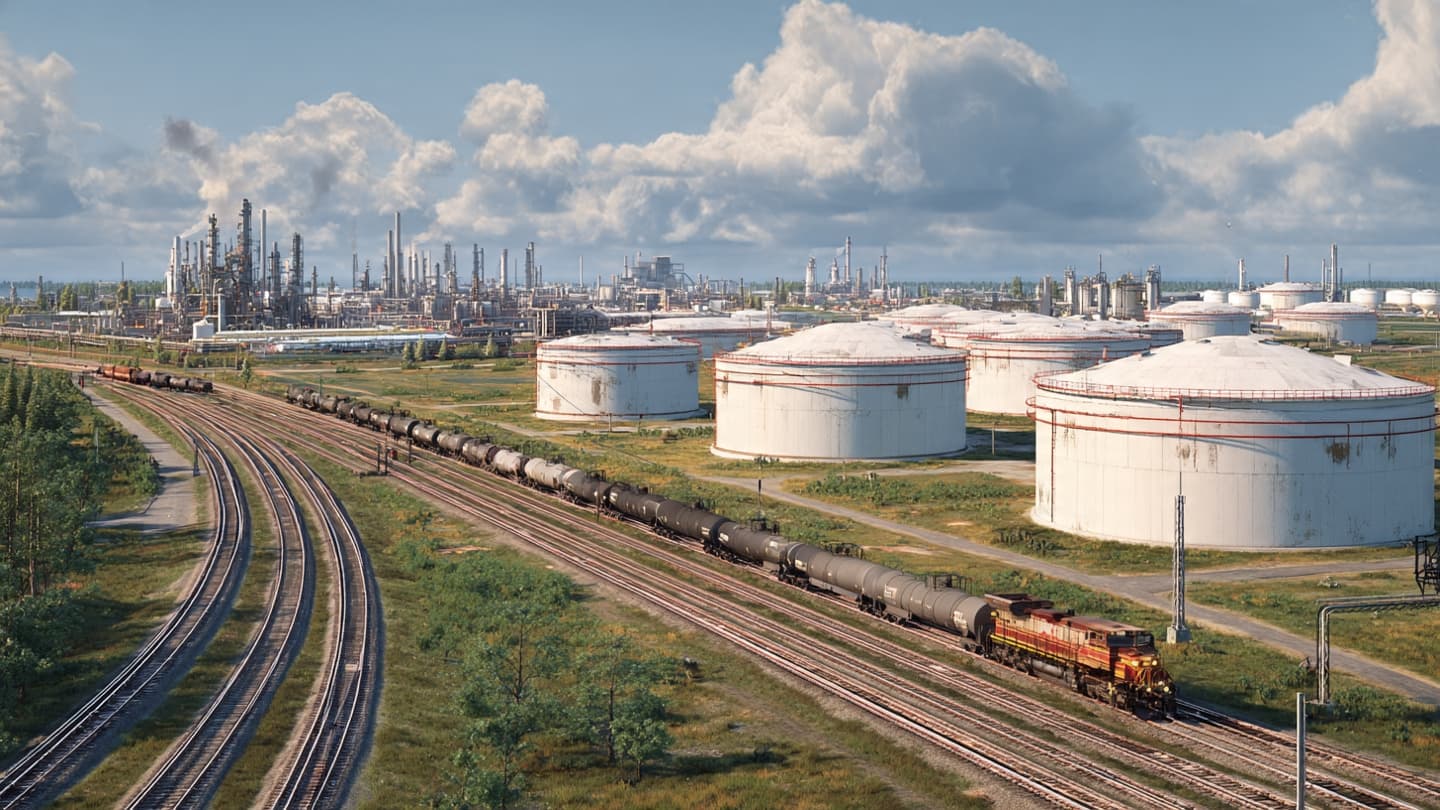
Energy markets are frequently among the first to react. Oil and natural gas prices often reflect changing expectations regarding supply, transportation routes, and production conditions. Even the possibility of disruption can influence trading activity and price movements.
For businesses, these fluctuations carry practical implications. Transportation costs, manufacturing expenses, and operational planning may all be affected by changes in energy prices. Companies therefore monitor international developments closely as part of broader risk-management strategies.
Investors face a similar challenge. Market participants continually assess how geopolitical developments might influence economic growth, inflation trends, corporate earnings, and monetary policy decisions. Such evaluations contribute to shifts in investment behavior.
Globalization has strengthened these connections. Financial markets, supply chains, and commodity networks now operate within an environment where developments in one region can influence outcomes elsewhere. Geographic distance offers less insulation than it once did.
At the same time, markets have demonstrated a capacity for adaptation. Businesses and investors frequently adjust expectations as new information becomes available. Volatility may increase during periods of uncertainty, but long-term economic activity often continues through ongoing adjustment and resilience.
Economists emphasize that market responses depend on multiple factors rather than a single event alone. Economic data, consumer demand, employment trends, corporate performance, and international developments collectively shape financial outcomes.
The current environment illustrates how closely economic systems remain connected. Decisions involving production, investment, transportation, and consumption are influenced by events unfolding across different regions and industries. Understanding those relationships has become increasingly important.
While uncertainty remains a feature of global markets, so does adaptability. Investors and businesses continue navigating changing conditions through analysis, preparation, and strategic decision-making. In that sense, resilience remains one of the defining characteristics of modern economic life.
AI Image Disclaimer Images in this article are AI-generated illustrations, meant for concept only.
Source Check Credible sources available:
Reuters Bloomberg Financial Times CNBC The Economist
Note: This article was published on BanxChange.com and is powered by the BXE Token on the XRP Ledger. For the latest articles and news, please visit BanxChange.com