
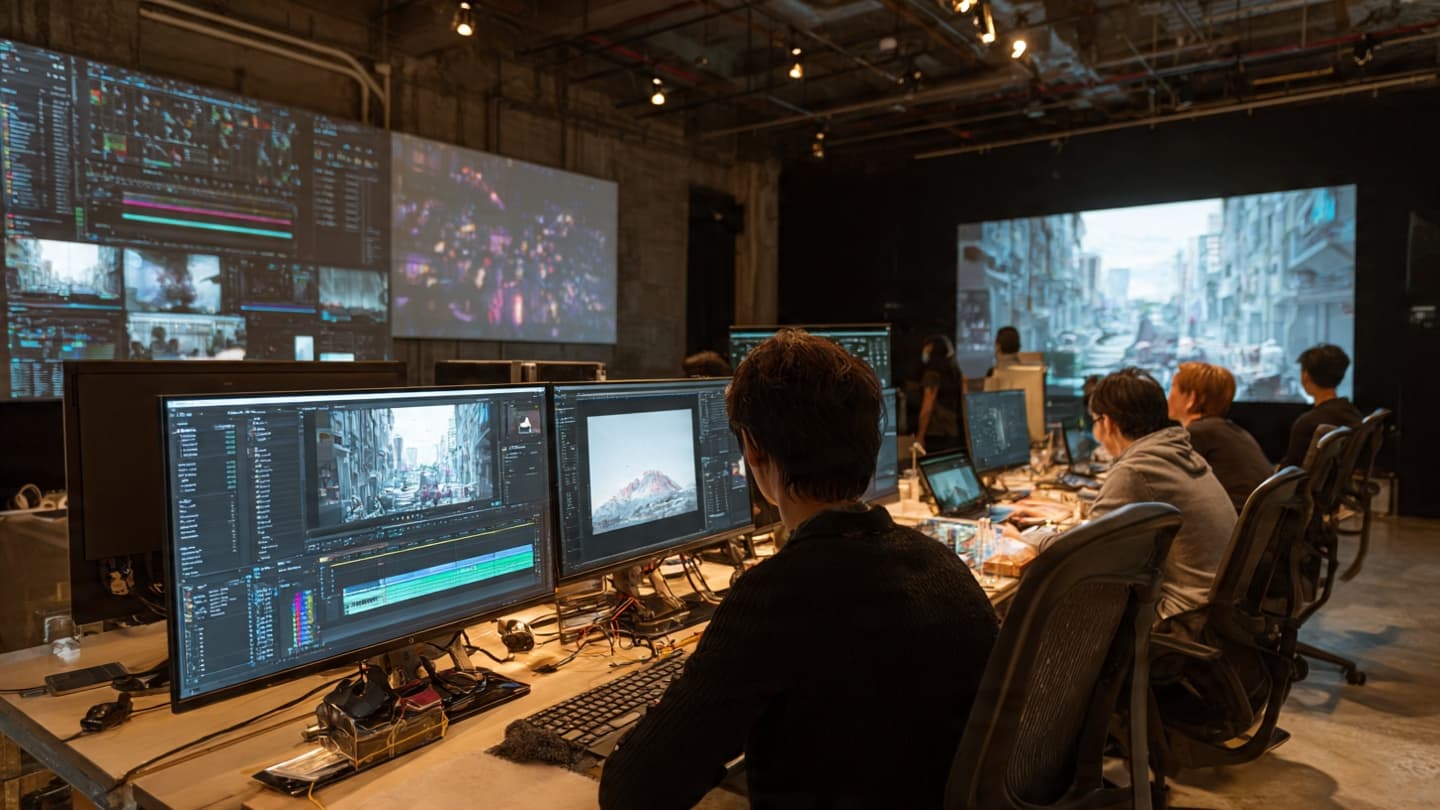
Every era of entertainment is shaped by the tools available to its creators. Cameras transformed storytelling, sound revolutionized cinema, and digital technology expanded creative possibilities beyond previous limitations. Today, artificial intelligence is becoming the newest instrument influencing how content is imagined, produced, and delivered.
Across film studios, music labels, and streaming platforms, AI technologies are finding practical applications. From editing assistance and content recommendations to visual effects and audience analysis, artificial intelligence is increasingly woven into the daily operations of creative industries.
Supporters view these tools as opportunities to enhance efficiency. Tasks that once required extensive manual processing can now be completed more quickly, allowing creative professionals to dedicate greater attention to storytelling, design, and artistic decision-making. The technology serves as an accelerator rather than a replacement for imagination.
Streaming platforms have been among the earliest adopters. Personalized recommendations, audience behavior analysis, and automated content categorization help services connect viewers and listeners with material suited to their interests. Such capabilities have become standard expectations in digital entertainment environments.
Film production companies are also exploring AI-driven solutions. Visual effects workflows, script analysis tools, and production planning systems offer new methods for managing increasingly complex projects. These applications often support decision-making while reducing administrative burdens.
The music industry continues experimenting with similar technologies. Recommendation engines, audience analytics, and creative assistance platforms allow artists and labels to understand listener preferences more effectively. The objective is to strengthen engagement while improving discovery opportunities for both established and emerging talent.
Despite growing adoption, discussions surrounding ethics and creative ownership remain active. Industry professionals continue examining how AI-generated outputs should be attributed, how intellectual property rights should be protected, and how human creativity should remain central to artistic processes.
Educational institutions have begun adapting as well. Film schools, design programs, and media studies departments increasingly incorporate AI-related topics into curricula, preparing future professionals for an industry shaped by both traditional craftsmanship and emerging technologies.
Analysts suggest that AI’s influence will continue expanding, particularly as tools become more accessible and capable. However, many experts emphasize that technology alone does not create meaningful entertainment. Audiences continue seeking compelling narratives, authentic performances, and emotional experiences.
As artificial intelligence becomes more integrated into entertainment, the industry's future may depend on finding harmony between innovation and artistry. The most successful productions will likely be those that combine technological capabilities with the uniquely human ability to tell stories that resonate across cultures and generations.
AI Image Disclaimer: Graphics are AI-generated and intended for representation, not reality.
Source Check
Credible sources covering this topic exist:
Reuters Variety The Hollywood Reporter Deadline Hollywood CNBC
Note: This article was published on BanxChange.com and is powered by the BXE Token on the XRP Ledger. For the latest articles and news, please visit BanxChange.com