
The city moves with a rhythm that suggests permanence, a steady hum of transit and ambition that rarely pauses to acknowledge the bones beneath the pavement. We build upward and across, weaving steel through the sky as if defiance against gravity were a birthright. Yet, there is an inherent fragility in the aging spine of our infrastructure, a silent clock ticking away beneath the layers of asphalt and time. When these structures falter, the rupture is not merely physical; it is a quiet intrusion upon the normalcy of our daily lives, a reminder that the environment we inhabit is subject to the same slow erosion as everything else.
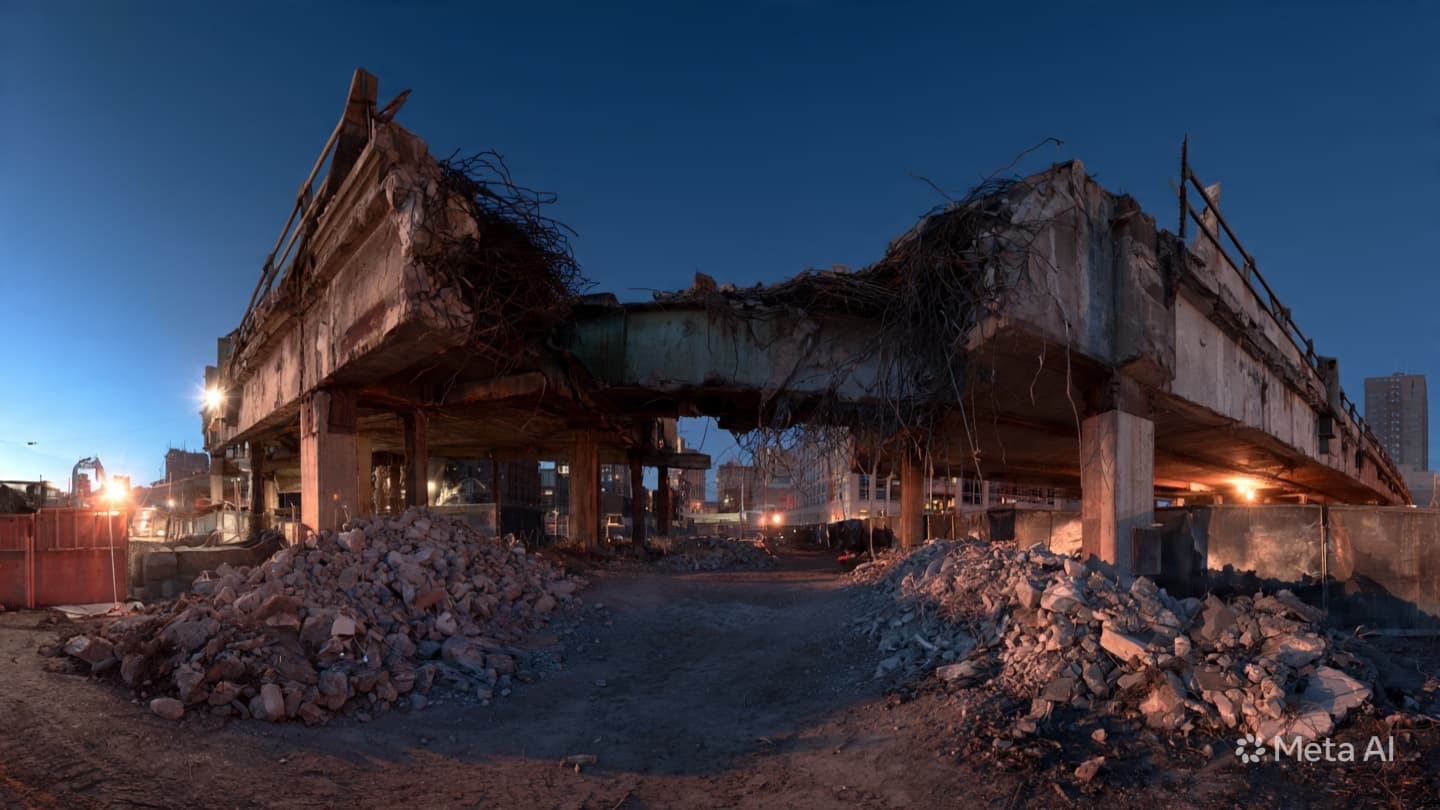
In the heart of Seodaemun-gu, a segment of an overpass built in another era yielded to the weight of its own history. The demolition was intended to be an act of renewal, a surgical removal of the obsolete, but the structure chose its own moment to surrender. It happened during the afternoon hours when the city’s pulse was steady, transforming a routine industrial task into a scene of sudden, jarring stillness. The collapse was a convergence of intent and entropy, a moment where the intended dissolution of the past met the unpredictable nature of failing materials.
To understand the weight of such a moment, one must look at the structural exhaustion that defines our older urban landscapes. For decades, this span carried the countless journeys of commuters and travelers, serving as a silent conduit for the city’s aspirations. Its deterioration was likely a gradual process, hidden behind routine and the assumption of enduring stability. When the supports could no longer bear the burdens they were tasked with, the resulting cascade of debris became a testament to the limitations of human engineering and the inevitable progression of decay.
The response to such an event often emphasizes the search for accountability, a natural desire to impose order upon a chaotic collapse. We look for manuals, for safety protocols, and for the decision-making processes that preceded the failure. There is a profound human need to categorize these events, to find a singular point of error that explains why the sky seemed to fall on a Tuesday afternoon. We seek reassurance that such oversights are not common, attempting to preserve the illusion that our cities are carefully curated, perfectly maintained, and inherently safe.
Investigators have since moved into the space, their work framed by the stark geometry of what remains and what lies scattered. The atmosphere at the site is one of solemn examination, a place where the vibrant noise of the city has been replaced by the focused, quiet precision of forensic inquiry. They sift through the dust and twisted metal, looking for the narrative of the collapse within the fractured remnants of the structure. It is a slow, methodical process that contrasts sharply with the abrupt violence of the incident itself.
One cannot help but reflect on the men who were caught within this sudden transformation of space. Their work was essential, the kind of labor that shapes our physical world but often fades into the background of our consciousness until the moment of crisis. They were the ones closest to the structural vulnerabilities, the ones navigating the transition between the old and the new. Their loss casts a long shadow, reminding us that every act of urban renewal carries its own unseen risks, and that the history of a city is written in the lives of those who maintain it.
The broader consequences of the incident rippled outward, touching the logistical arteries that sustain the region. With train lines suspended and travel disrupted, the collapse became more than a local tragedy; it became a focal point of public anxiety. The interruption of the high-speed rail services signaled how interconnected our daily movements have become, and how a singular point of failure can disrupt the wider harmony of the system. It served as a stark demonstration of how easily the gears of modern life can be brought to a halt.
As the authorities continue their investigation, the focus shifts to the balance between oversight and the practical realities of industrial labor. They examine whether the signs of subsidence were sufficiently acknowledged and if the precautions taken were commensurate with the known fragility of the site. It is an editorial reflection on our collective reliance on technology and procedure, questioning whether we truly understand the integrity of the aging assets we entrust with our daily safety.
The Seoul Western District Prosecutors' Office has formed a dedicated task force to lead the inquiry into the collapse. Investigators are currently reviewing the safety procedures and technical logs associated with the demolition project to determine if any protocols were breached. The city government and the involved engineering firms are cooperating with the forensic analysis to establish whether criminal negligence played a role in the accident. A formal investigation is underway, with findings expected to dictate future safety standards for infrastructure dismantling across the metropolitan area.
Note: This article was published on BanxChange.com and is powered by the BXE Token on the XRP Ledger. For the latest articles and news, please visit BanxChange.com