
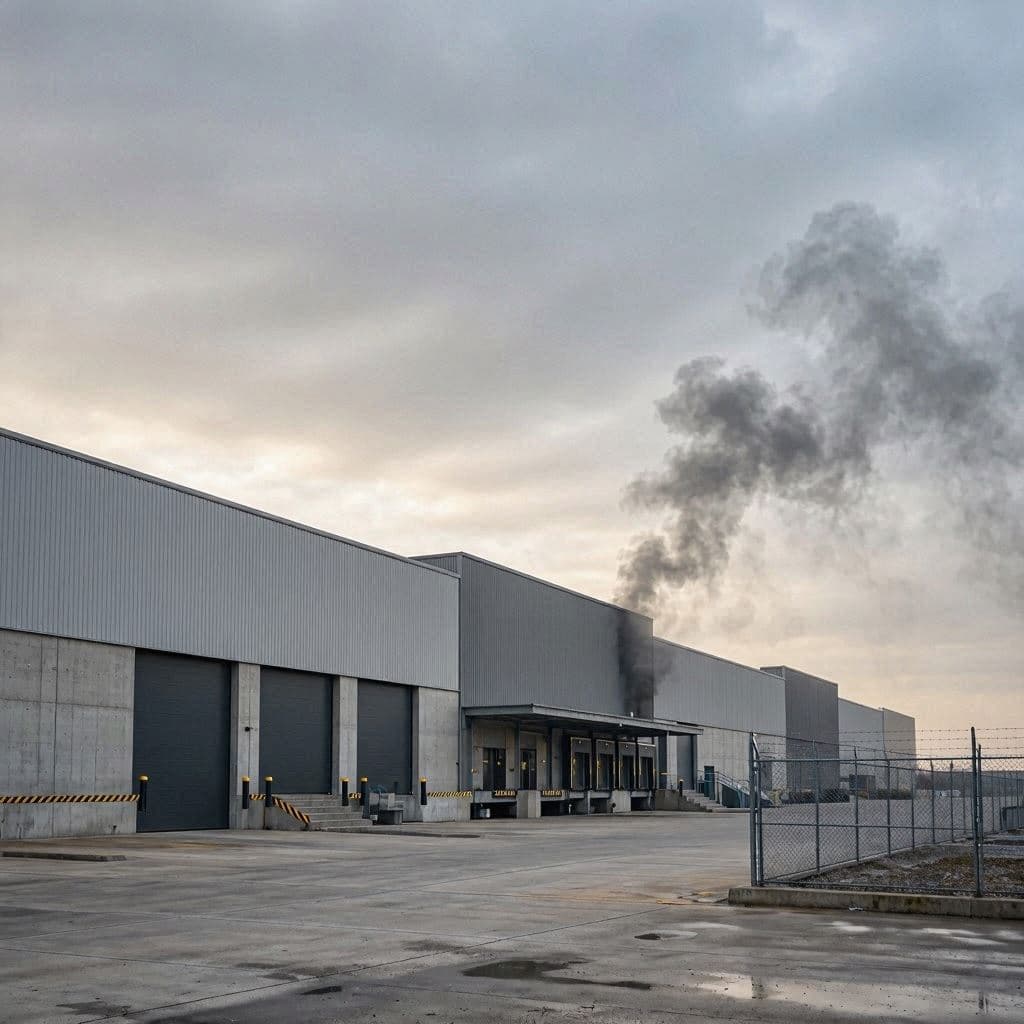
In the modern landscape of conflict, the boundaries between the battlefield and the marketplace have become increasingly porous. The recent drone strikes on warehouses belonging to Wildberries, Russia’s largest online retailer, mark a significant escalation in this blurring of lines. For the second time, these logistical hubs have been targeted, disrupting the flow of goods and reminding observers that even the most mundane aspects of daily life are not immune to the reach of war. It is a sobering reflection on how commerce and conflict now intertwine.
Body: The attacks, which occurred in the Tambov and Moscow regions, resulted in casualties and significant damage to the infrastructure. Local officials reported that several workers were killed or injured, highlighting the human cost behind the digital convenience of online shopping. These facilities are not merely storage units but critical nodes in a vast network that supplies millions of consumers across Russia. Their disruption sends ripples through the economy, affecting everything from delivery times to local employment.
Wildberries has become a symbol of Russia’s digital resilience, yet its vulnerability was exposed once again. The choice of target suggests a strategic intent to impact the civilian economy and morale, rather than just military capabilities. By striking at the heart of consumer culture, the attacks aim to demonstrate that no sector is entirely secure. This shift in tactics reflects the evolving nature of asymmetric warfare, where economic pressure is as potent as physical force.
The response from Russian authorities has been one of heightened security and reassurance. Efforts are underway to repair the damage and restore operations, but the psychological impact lingers. Consumers who rely on these services for everyday necessities may find themselves facing delays and uncertainties. The incident serves as a reminder of the fragility of supply chains in times of prolonged conflict.
For the workers at these warehouses, the threat is immediate and personal. Many are ordinary citizens caught in the crossfire of a geopolitical struggle they did not choose. Their safety is now a primary concern for both management and local communities. The tragedy underscores the need for better protection measures for essential infrastructure and the people who keep it running.
Internationally, the strikes have drawn attention to the expanding scope of the conflict. Analysts note that targeting commercial logistics represents a new phase in the war, one that seeks to erode stability from within. It raises questions about the rules of engagement and the definition of legitimate targets in modern warfare. The global community watches with concern as the implications unfold.
Despite the disruption, Wildberries has vowed to continue operations, emphasizing its role in supporting the national economy. The company’s resilience is a testament to the adaptability of modern business structures. However, the shadow of the attacks remains, a constant reminder of the risks inherent in operating during wartime.
Closing: As recovery efforts proceed, the focus remains on restoring normalcy for workers and customers alike. The strikes on Wildberries are a stark illustration of how war permeates every layer of society. In the face of such challenges, the determination to maintain daily life persists, even as the world around it changes.
AI Image Disclaimer: The images accompanying this article are AI-generated conceptual illustrations of logistics centers and digital networks, designed to reflect the themes of commerce and conflict without depicting specific real-world events.
Sources: BBC News CNN Al Jazeera Reuters
Note: This article was published on BanxChange.com and is powered by the BXE Token on the XRP Ledger. For the latest articles and news, please visit BanxChange.com