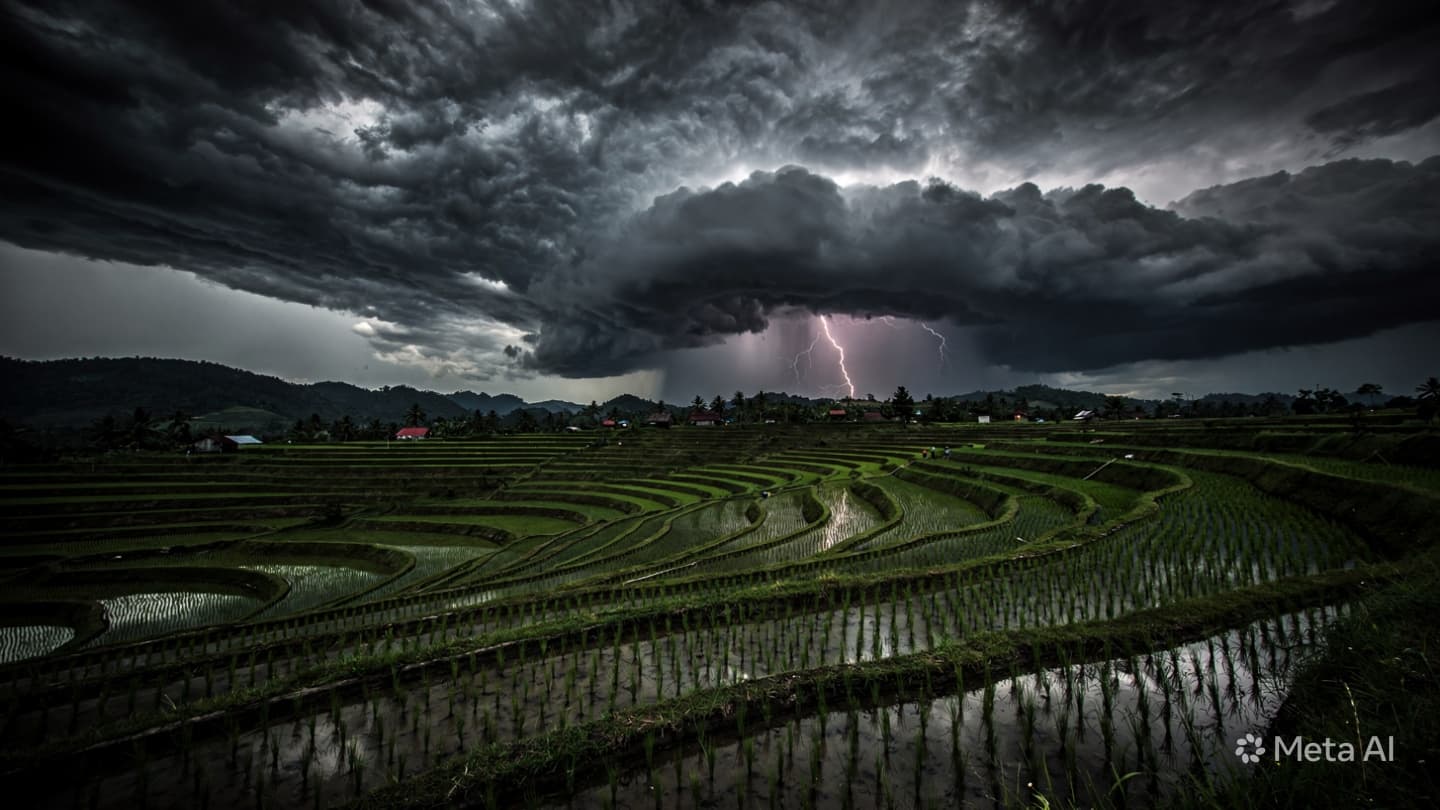
The sky above Boyolali is often a canvas of serene, rolling hills and agricultural patience, yet even the most tranquil landscapes hold the capacity for sudden, electric shifts. When the air grows heavy and the clouds begin their low, dark descent, the boundary between the earth and the heavens can become dangerously thin. It is in these moments of meteorological intensity that the familiar rhythms of rural life are momentarily suspended, replaced by the crackling urgency of a storm that demands a sudden and absolute surrender.
The phenomenon of lightning remains one of nature’s most humbling displays of raw power. It is an atmospheric discharge, a silent buildup of potential that finds its release in a brilliant, jagged fracture across the horizon. When such energy touches the ground, it does so with an indifference that challenges our human perception of safety. For those caught within the path of a sudden downpour, the transformation of a predictable afternoon into one of existential peril happens in little more than a heartbeat, turning the open fields and quiet pathways into scenes of profound fragility.
In the rural outskirts of Boyolali, the recent rains brought with them more than just the nourishment required for the local harvest. As the storm intensified, the atmosphere became charged, leading to a fatal encounter with a lightning strike. The incident occurred during a period of heavy precipitation, a reminder that the same clouds that sustain the land also carry the volatile energy of the upper atmosphere. The transition from a steady rainfall to a localized, lethal event highlights the inherent unpredictability of weather patterns in this region, where the terrain often dictates the path of moving storms.
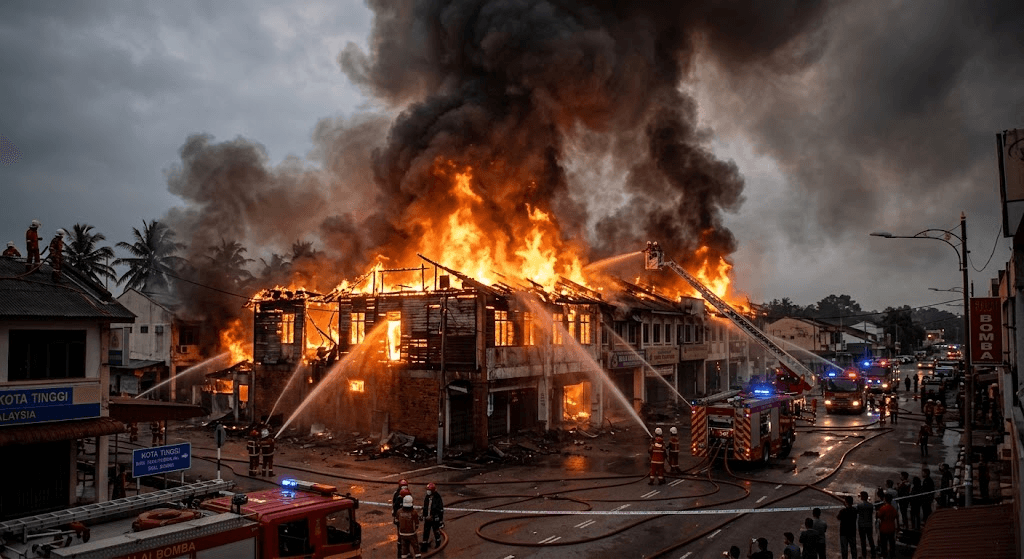
Local authorities and emergency services have responded to the scene, marking the transition from the visceral event to the procedural reality of loss. While the community grapples with the suddenness of the occurrence, officials have highlighted the dangers posed by severe weather, especially for those working in open environments. The recovery efforts were conducted with solemn efficiency, prioritizing the dignity of the victim and the necessary documentation for the local records. Such events, while tragic, serve as a stark baseline for the importance of meteorological vigilance in areas susceptible to rapid storm formation.
As the rain eventually tapered off, the silence that followed in the rural landscape felt heavy with the weight of the day’s events. The fields, recently soaked and glistening, offered no clues to the violence that had just passed through them. Life in Boyolali continues, shaped by the cyclical nature of the seasons and the enduring resilience of its people. Yet, there remains a lingering awareness of the sky’s capacity for change—a quiet recognition that the elements are never truly subservient to human schedules or needs.
Published by Banx Network. This article is part of the Banx decentralized media programme, powered by the BXE token on the XRP Ledger.