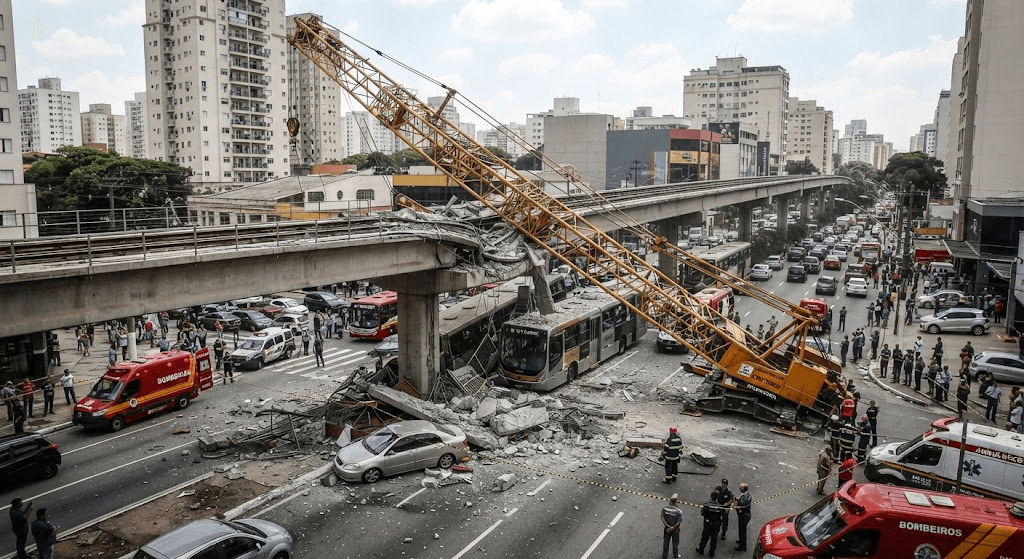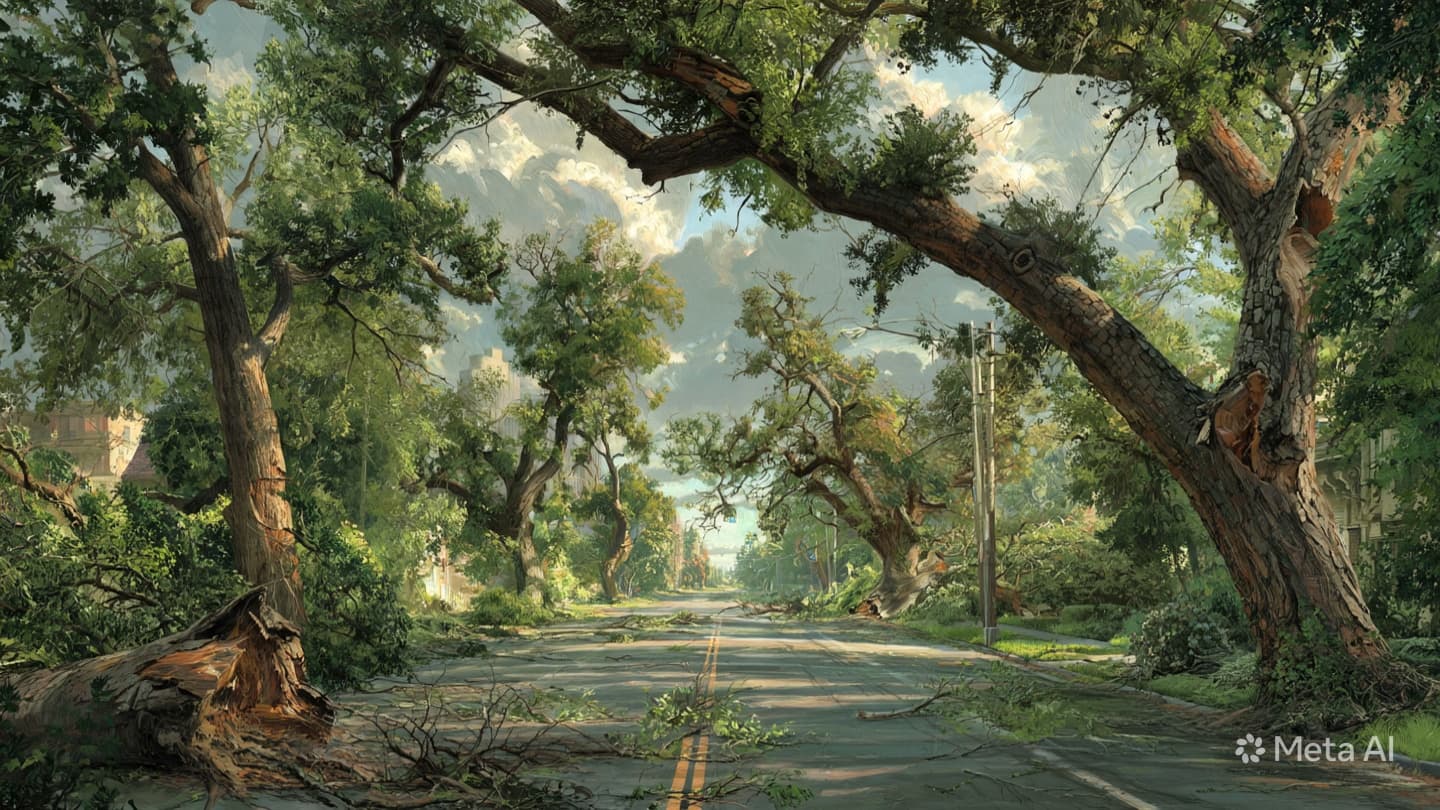
The horizon wears a bruised, violet tint as the first light of day creeps across a transformed landscape. Where once orderly boulevards carved through the heart of the city, there is now a strange, tangled geometry of uprooted trunks and splintered branches. The air feels heavy, scrubbed clean by the recent violence of wind and water, yet thick with the scent of damp earth and crushed leaves. Residents step onto their porches to find their familiar streets rearranged, the mundane rhythms of daily life momentarily suspended by the architecture of a sudden, natural upheaval.
In the wake of the tempests that tore through the capital earlier this week, the city has become a mosaic of disruption. Massive oaks that stood as silent sentinels for decades have bowed, their root systems exposed like jagged teeth against the gray pavement. Power lines, once taut and humming with the invisible current of progress, now snake across the tarmac like fallen vines. The storm did not merely pass; it exerted a proprietary claim on the urban sprawl, leaving behind a physical narrative of its passage—a cartography of wind-blown debris that demands a collective, painstaking deconstruction by those who call this place home.
City maintenance crews have been a constant, rhythmic presence since the clouds parted, their heavy machinery groaning against the quiet of the morning. There is a specific cadence to their work—the low rumble of trucks, the sharp whine of chainsaws, and the communal heave of limbs being loaded into the iron maws of woodchippers. They move through the neighborhoods with a focused, methodical pace, treating the chaotic sprawl of wreckage as a puzzle to be solved. Each cleared intersection is a quiet victory, a restoration of the veins and arteries that keep the city breathing.
Beyond the immediate mechanics of cleanup, there is a subtle shift in the social atmosphere. Neighbors who might otherwise pass in the blur of a morning commute are now lingering at their property lines, tools in hand, offering small gestures of aid or simple, shared sighs of relief. The disaster has forced an unlikely intersection of lives, stripping away the usual social insulation and revealing a fragile, underlying solidarity. It is in these mundane interactions—a shared rake, a hoisted trunk, a conversation held over the ruins of a garden—that the city begins to knit itself back together.
For many, the physical damage serves as a stark reminder of the tenuous relationship between human infrastructure and the volatility of the natural world. The concrete and steel of the capital often feel permanent, yet the storm’s wake reveals them to be temporary arrangements, subject to the whim of pressure systems and seasonal shifts. This realization brings a certain, hushed humility to the recovery efforts, a sense that while we are busy restoring order, we are also acknowledging the inherent wildness that occasionally claims its due.
The logistical challenge remains significant, however. Tens of thousands of pounds of organic matter must be sorted, hauled, and repurposed, a gargantuan task that strains municipal budgets and timelines alike. City officials have coordinated a multi-zone recovery plan, prioritizing the clearance of arterial roads and the mitigation of secondary hazards like weakened branches still clinging to power lines. It is a slow, grinding process that requires more patience than the average observer might anticipate, turning the simple act of neighborhood cleanup into a weeks-long civic endurance test.
As the days turn from the immediate intensity of the crisis to the steady work of recovery, the city is slowly shedding the vestige of the gale. The piles of wood and debris at curbsides are slowly diminishing, hauled away to composting centers and processing facilities where they will be ground down and reimagined as mulch or biofuel. The city begins to resemble its former self, though the skyline remains permanently altered by the absence of trees that could not withstand the gale’s weight.
There is a sense of transition in the air, a movement from the shock of the event to the reality of the aftermath. The recovery is not merely a task of clearing space, but one of recalibrating expectations. As the final remnants of the storm are cleared from the streets, the capital prepares to settle back into its routine, tempered by the memory of the wind’s power and the quiet, collective effort required to find stillness again.
Published by Banx Network. This article is part of the Banx decentralized media programme, powered by the BXE token on the XRP Ledger.