The structure of daily life often rests on routines that feel stable and predictable—school bells, morning commutes, and classrooms filled with the quiet rhythm of learning. Yet when environmental conditions shift dramatically, even the most established systems must adapt. In France, rising temperatures have recently forced authorities to temporarily adjust one of the country’s most essential public services: education.
Officials in France have announced the temporary closure of thousands of schools in response to an intense heatwave affecting large parts of the country. The decision was made as temperatures reached levels considered unsafe for prolonged classroom activity, particularly in buildings not equipped with advanced cooling systems.
Education authorities explained that the closures were implemented as a precautionary measure to protect students and staff from heat-related health risks. In many regions, classrooms can become significantly hotter than outdoor temperatures, creating conditions that may lead to dehydration, fatigue, and reduced concentration during peak heat periods.
Teachers and school administrators have been encouraged to shift, where possible, toward remote learning activities or adjusted schedules. However, officials acknowledge that not all institutions have equal access to digital infrastructure, meaning responses vary across regions and school systems.
Parents across affected areas have had to quickly adjust to the unexpected changes. Many workplaces have also adapted flexible arrangements to support families managing childcare during school closures. Local authorities have provided guidance to help communities navigate the disruption while prioritizing safety.
Meteorologists note that the heatwave is part of a broader pattern of extreme summer temperatures across Europe. While heat events are not unusual in the region, the intensity and duration of recent episodes have raised concerns about long-term climate trends and the resilience of public infrastructure.
Public health experts emphasize that children are particularly vulnerable during extreme heat, as their bodies regulate temperature differently from adults. As a result, precautionary closures are considered a necessary response when indoor learning environments cannot maintain safe conditions.
As France continues to experience high temperatures, officials remain focused on balancing safety with continuity in education. The situation highlights how climate-related events are increasingly influencing everyday institutions, prompting governments to rethink how essential services operate under extreme weather conditions.
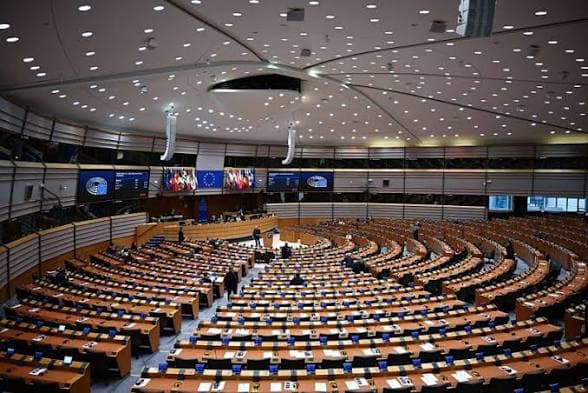
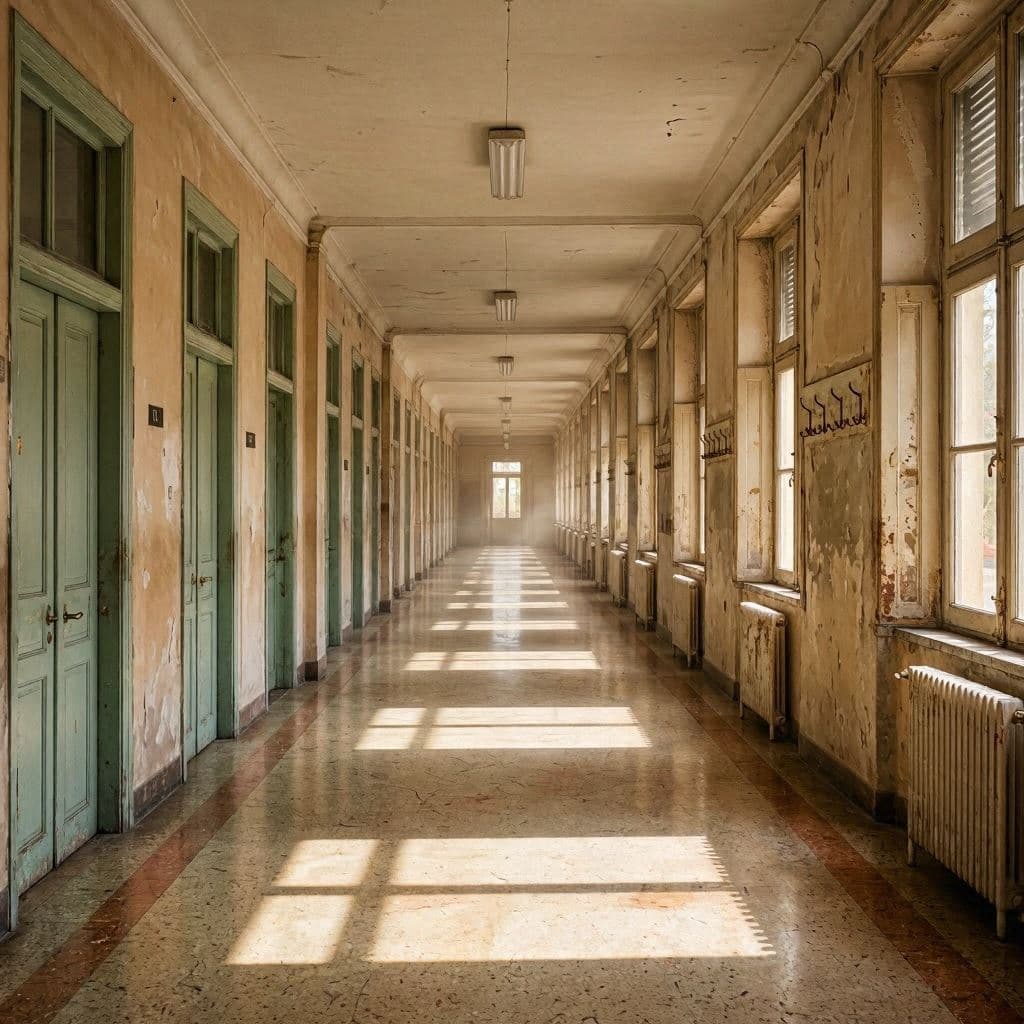
AI-generated image disclaimer: The images accompanying this article are AI-generated visual representations created for editorial purposes and do not depict real school closures or individuals.
Source verification check: Reuters, BBC News, The Guardian, France 24
Published by Banx Network. This article is part of the Banx decentralized media programme, powered by the BXE token on the XRP Ledger.