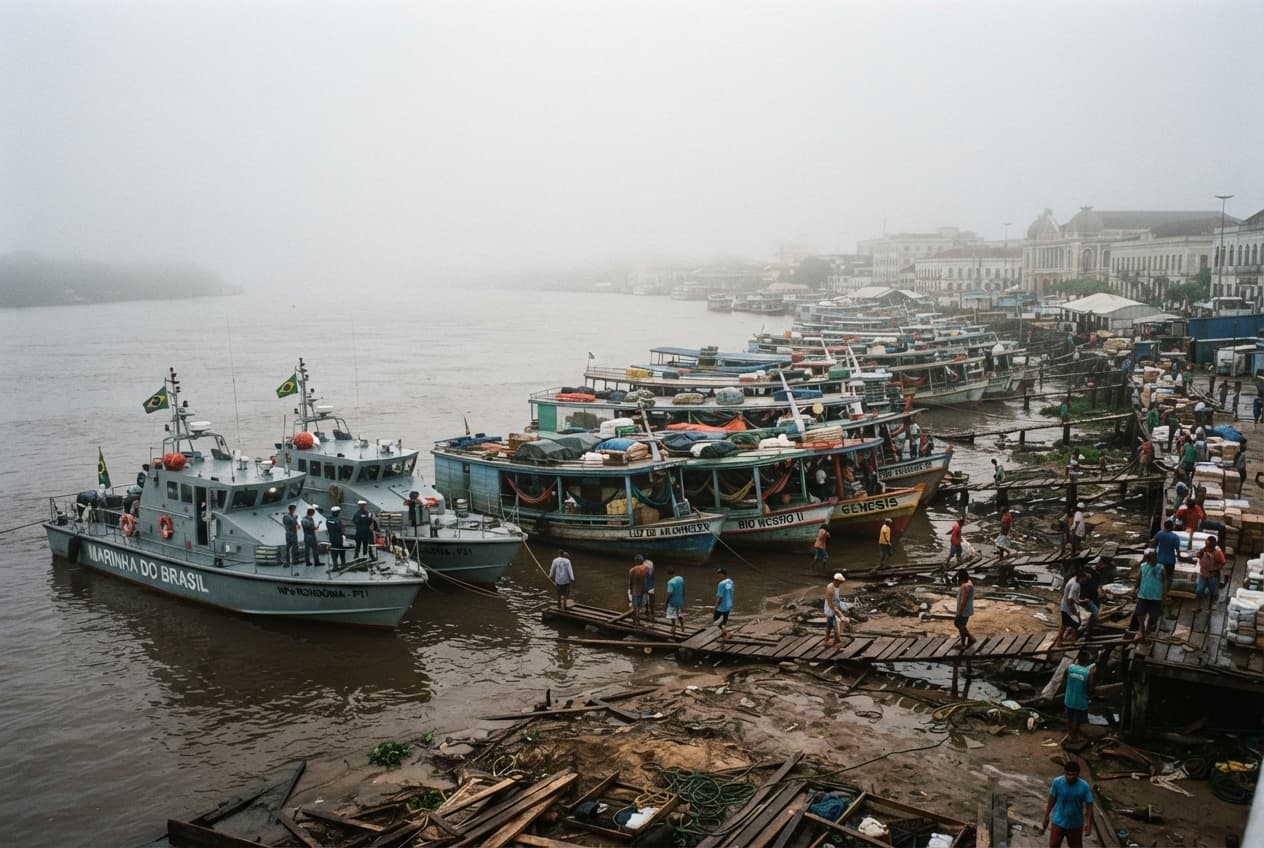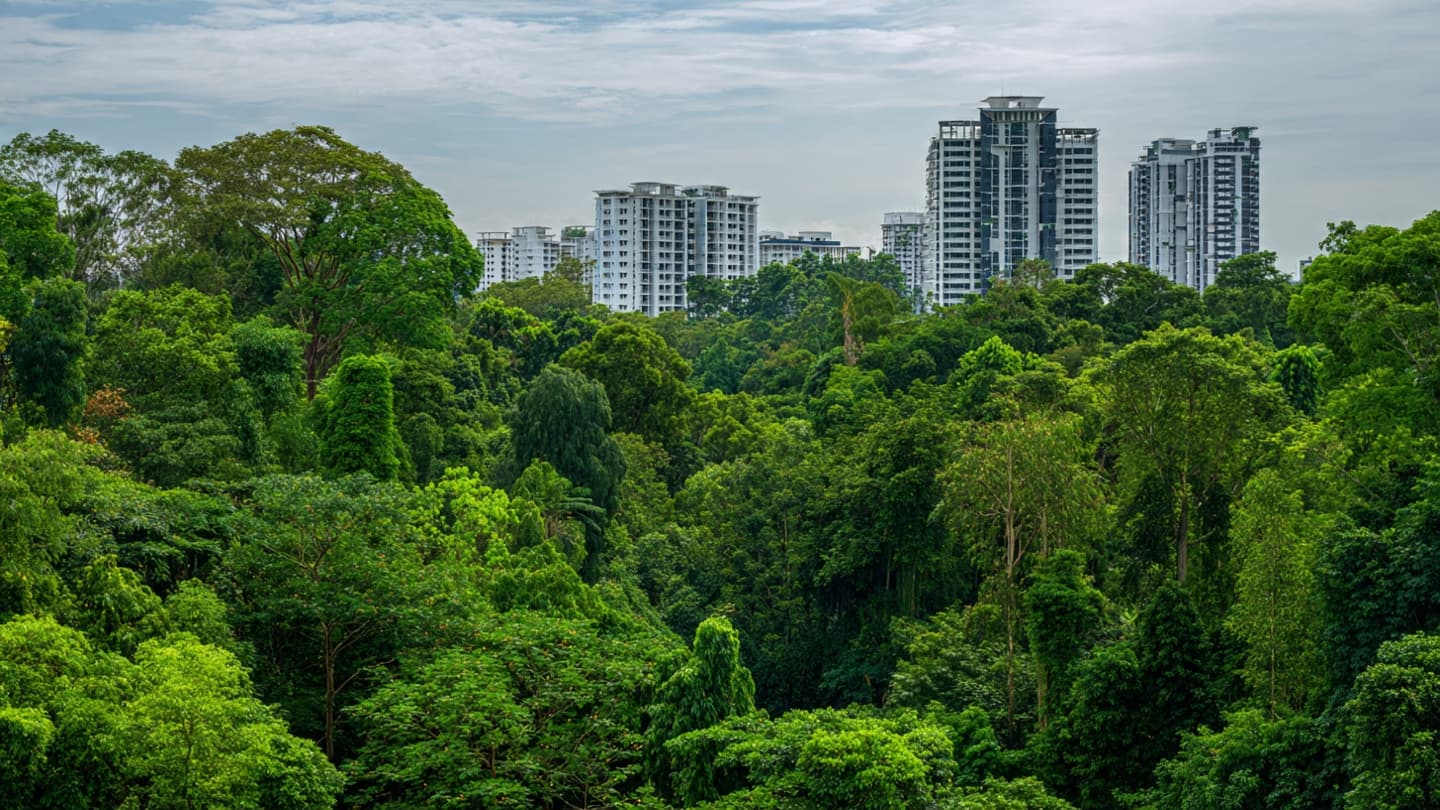
Cities have always been places of adaptation, where human design meets the unpredictability of nature. Streets, buildings, and public spaces are shaped not only by culture and economy but also by the environment that surrounds them. As climate conditions shift, urban areas are increasingly required to adjust in ways that were once considered exceptional but are now becoming part of long-term planning.
French authorities have announced expanded climate resilience plans aimed at helping cities better withstand periods of extreme heat. The initiative focuses on improving infrastructure, public health preparedness, and urban design to reduce the impacts of rising temperatures on daily life.
One of the central concerns addressed in the plan is the urban heat island effect, where dense construction materials such as concrete and asphalt absorb and retain heat more than natural landscapes. This can cause cities to remain significantly warmer than surrounding rural areas, particularly during heatwaves and at night.
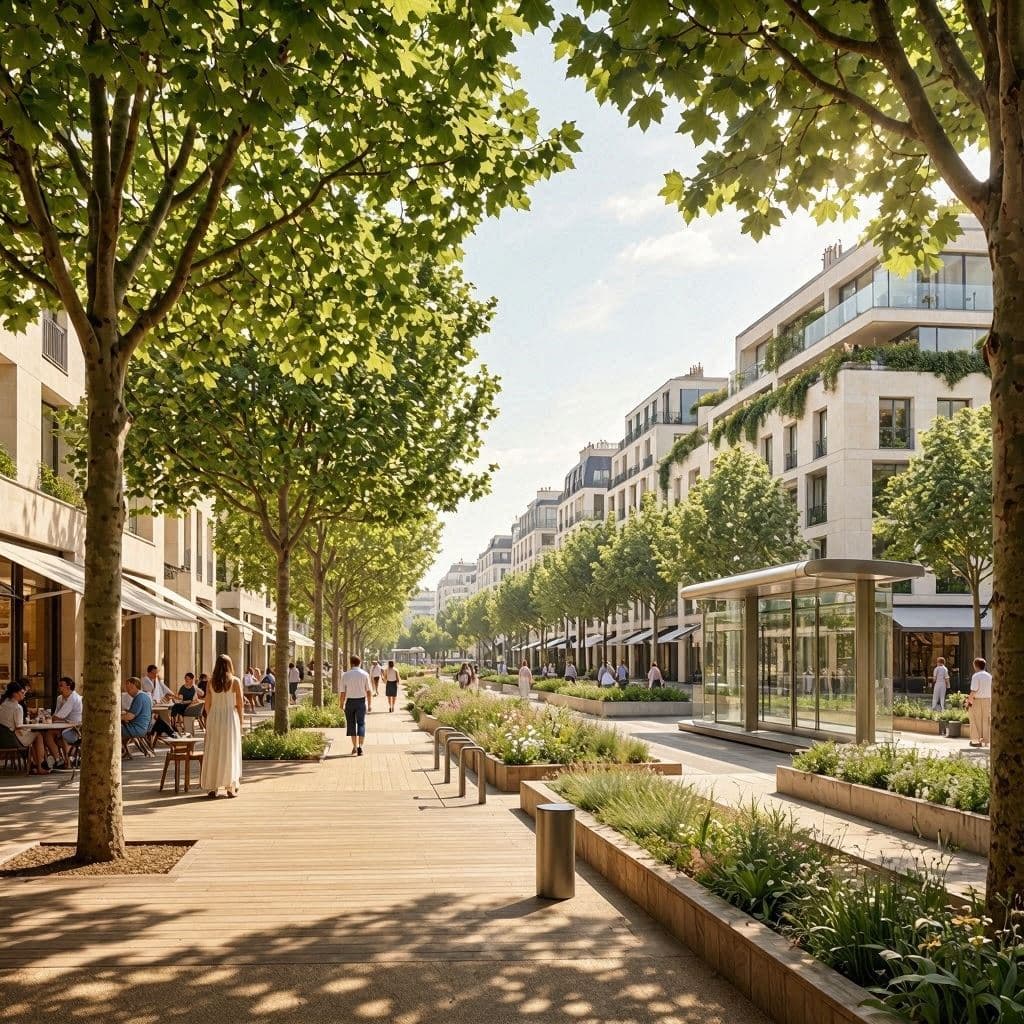
To address this, city planners are increasing investment in green infrastructure, including the expansion of parks, tree-lined streets, and shaded public spaces. These natural cooling systems help reduce surface temperatures while also improving air quality and enhancing overall livability in densely populated areas.
Building design standards are also being reviewed. New guidelines encourage better insulation, reflective roofing materials, and improved ventilation systems that help reduce indoor heat accumulation. These measures aim to make residential and commercial buildings more resilient to prolonged periods of high temperatures.
Public health agencies are working closely with urban planners to identify vulnerable populations, including elderly residents, individuals with chronic health conditions, and communities living in densely populated neighborhoods with limited cooling access. Emergency response systems are being strengthened to ensure rapid assistance during extreme heat events.
Transport and energy infrastructure are also part of the broader resilience strategy. High temperatures can affect rail systems, roads, and power grids, leading to disruptions if not properly managed. Authorities are therefore focusing on strengthening systems to maintain reliability under stress conditions.
As France continues to experience more frequent and intense heatwaves, officials emphasize that climate resilience is no longer a future consideration but an immediate necessity. The ongoing plans reflect an effort to adapt cities gradually and systematically, ensuring they remain safe, functional, and sustainable in a warming climate.
AI-generated image disclaimer: The visuals accompanying this article are AI-generated illustrations intended for editorial purposes and do not represent real urban planning scenes.
Source verification check: Reuters, BBC News, The Guardian, France 24, European Environment Agency
Note: This article was published on BanxChange.com and is powered by the BXE Token on the XRP Ledger. For the latest articles and news, please visit BanxChange.com