Financial markets often resemble a vast orchestra, where different instruments take turns carrying the melody. On some days, technology companies command the spotlight, setting the pace for investors around the world. Yet there are moments when another section of the ensemble quietly steps forward, reminding observers that markets are rarely driven by a single theme alone.
That contrast became visible during a recent trading session in the United States. Semiconductor shares, many of which have benefited enormously from enthusiasm surrounding artificial intelligence, came under pressure. However, the weakness in chipmakers did not prevent the Dow Jones Industrial Average from maintaining a more resilient performance.
The divergence highlighted an increasingly important feature of the current market environment. While technology companies remain influential, investors have begun paying closer attention to sectors that may benefit from broader economic stability rather than solely from AI-related growth expectations.
Several semiconductor stocks experienced declines as traders reassessed valuations following months of strong gains. The AI boom has elevated expectations across the technology industry, particularly among firms involved in chip design, manufacturing, and infrastructure development. When expectations become elevated, even minor disappointments can trigger selling pressure.
At the same time, the Dow received support from industrial, healthcare, financial, and consumer-oriented companies. These businesses are often viewed as more closely connected to traditional economic activity, offering investors a degree of diversification when technology shares become volatile.
Market strategists noted that such sector rotation is not uncommon. During periods of uncertainty, investors frequently shift capital toward areas perceived as offering more stable earnings profiles. The movement does not necessarily indicate a loss of confidence in technology but rather a desire to balance portfolios against potential risks.
The contrast also underscored how different stock indexes can tell different stories on the same day. The Nasdaq, which has a heavier concentration of technology firms, tends to react more sharply to developments affecting semiconductor and AI-related companies. The Dow, by comparison, often reflects a broader mix of economic sectors.
Recent months have been defined by extraordinary enthusiasm surrounding artificial intelligence. Semiconductor companies became symbols of that optimism, attracting significant investment as businesses worldwide increased spending on AI infrastructure. Yet markets rarely move in a straight line, and periods of consolidation are often viewed as a natural part of longer-term trends.
Investors continue to monitor economic indicators, corporate earnings, and developments within the AI sector. Whether the current weakness in chip stocks proves temporary or develops into a broader correction remains uncertain. What is clear is that market leadership can shift quickly, even within a generally positive environment.
As trading concluded, the Dow's resilience served as a reminder that financial markets are built upon many foundations. While technology remains an important pillar, other sectors continue to play their role in supporting investor confidence and economic growth.
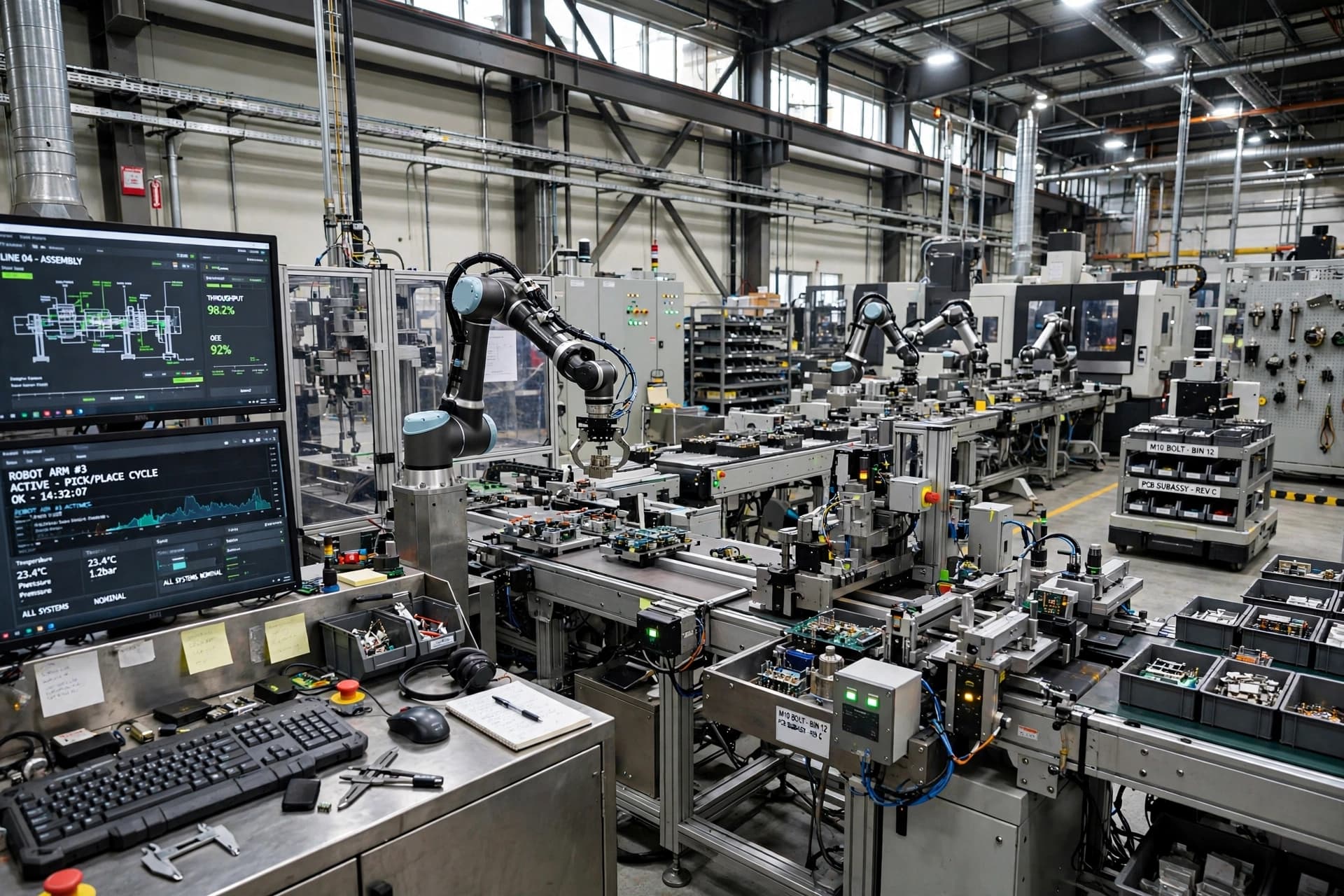
AI Image Disclaimer Images in this article are AI-generated illustrations, meant for concept only.
Sources CNBC, Reuters, Bloomberg, The Wall Street Journal, MarketWatch
Published by Banx Network. This article is part of the Banx decentralized media programme, powered by the BXE token on the XRP Ledger.