
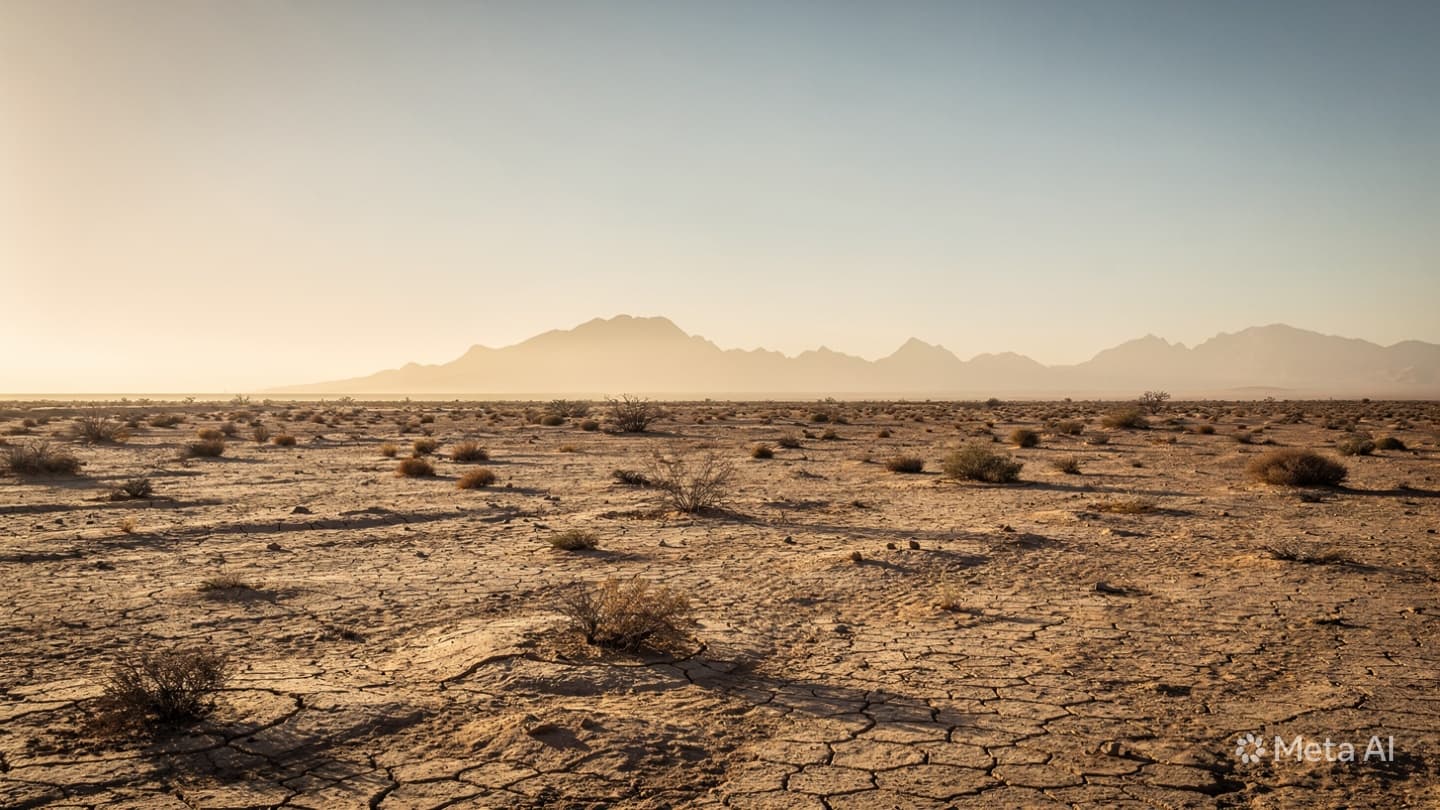
The landscape of Yemen possesses a stark, enduring beauty, where the rugged terrain stretches toward a horizon that seems to hold both the weight of history and the promise of a quiet existence. It is a land shaped by ancient traditions and the resilience of a people who have learned to navigate the complexities of a challenging environment. Yet, in the quiet corners of this terrain, there linger remnants of a troubled past—hidden, silent sentinels buried deep within the soil that wait for the unsuspecting.
Childhood in such regions is often defined by a remarkable ability to find joy in the smallest of spaces, turning dusty pathways and open fields into theaters of imagination. There is a universal innocence to this play, a transient moment where the world is viewed not through the lens of conflict, but through the boundless curiosity of youth. It is this very innocence that makes the sudden intrusion of violence so devastating, a jarring collision between the purity of play and the harsh reality of war’s lingering aftermath.
When the earth itself turns against the unsuspecting, the shock is absolute. The tragedy of a landmine is that it is fundamentally indiscriminate; it does not recognize the age, the purpose, or the fragility of those who cross its path. It is a relic of a time that remains frozen in the ground, waiting for a trigger that should never have been present in a world meant for the living, for the running, and for the laughter of children.
The impact of such a loss radiates outward, touching the very core of a community that is already struggling to maintain its equilibrium. Families are left to grapple with a grief that is as profound as it is senseless, forced to reconcile the mundane reality of daily life with the sudden, violent erasure of a future that was just beginning to unfold. The silence that follows is not peaceful; it is a vacuum filled with the echoes of what might have been.
Observers and humanitarian agencies frequently highlight the persistent threat posed by unexploded ordnance, noting that even as the wider intensity of a conflict may ebb, the dangers trapped within the ground remain a constant, looming shadow. It is a persistent reminder that the cessation of overt hostilities does not equate to the immediate return of safety. The process of remediation is slow, fraught with technical and logistical hurdles that leave communities vulnerable long after the headlines have moved on.
There is a somber duty in documenting such events, a recognition that each life taken is a narrative of unrealized potential. The international discourse often focuses on the macro-political shifts within the region, yet it is these micro-level tragedies that define the true, human cost of instability. To acknowledge the loss of these children is to confront the reality that for many, the war never truly ends; it merely changes form, becoming a permanent feature of the landscape.
As the community gathers to mourn, the focus inevitably turns toward the urgent need for greater awareness and sustained efforts in demining. It is a task that transcends politics, demanding a commitment to the fundamental right of safety for all, particularly those who are too young to understand the dark inheritance they have been left. The memory of these lives becomes a rallying point for a more concerted effort to clear the ground and reclaim the space for future generations.
The incident serves as a grim reflection of the challenges facing humanitarian efforts in the region, where the intersection of daily survival and environmental hazards remains a critical concern. As families and local leaders begin the arduous process of seeking answers and support, the wider call for increased investment in landmine clearance and public education remains more vital than ever, highlighting the ongoing struggle to secure a safe environment for the populace.
Note: This article was published on BanxChange.com and is powered by the BXE Token on the XRP Ledger. For the latest articles and news, please visit BanxChange.com