
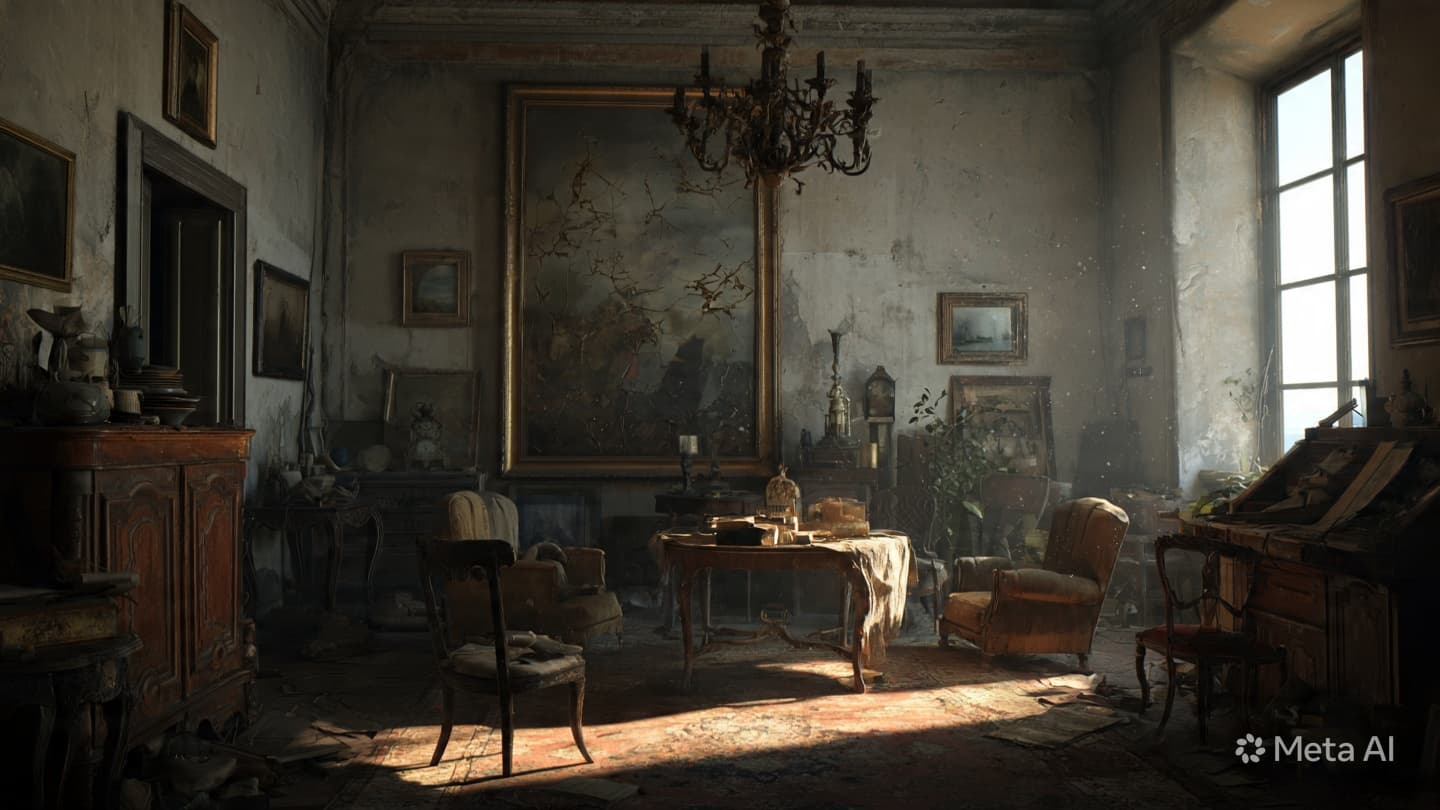
The passage of centuries does not diminish the quiet power of oil on canvas, though it often obscures the path an object travels through the shifting currents of human ownership. In the dense urban tapestry of Naples, where narrow stone alleys fold into one another beneath a canopy of drying laundry and weathered balconies, history is rarely lost; it is merely misplaced. The city itself behaves as a repository of forgotten things, absorbing the creative genius of the Baroque era into its everyday architecture and private lives. On an afternoon marked by the heavy, humid heat characteristic of the southern Italian coast, the boundary between the ordinary present and the extraordinary past dissolved inside a modest apartment.
To walk through the working-class neighborhoods of the historic center is to touch the raw material of a grand artistic heritage, where crumbling facades conceal remnants of aristocratic splendor. Yet, within the small, crowded rooms of a private dwelling far removed from the marbled halls of regional museums, a dramatic revelation unfolded without fanfare. Tucked away from casual view, shielded from the harsh Mediterranean light that bleaches the color from old brickwork, rested a missing piece of cultural memory. The painting, a profound example of seventeenth-century Baroque craftsmanship, had existed for years as an empty space on an inventory list, a ghost sought by scholars and authorities alike.
The Baroque style thrives on dramatic contrast, on the intense play between deep, impenetrable shadows and sudden, piercing illumination. It is entirely fitting, then, that the recovery of such an artwork should mirror the very aesthetic principles defined by its long-dead creator. For decades, the canvas remained enveloped in a different kind of darkness, isolated from the public gaze and the climate-controlled sanctuaries designed to preserve its fragile threads. The figures depicted by the artist’s brush—rendered with the emotional intensity and realistic frailty typical of the era—stared out into the dim interior of a domestic kitchen, an incongruous backdrop for an object born of sacred or noble commission.
There is a distinct solemnity that accompanies the rescue of historical heritage, a feeling that a broken thread in the continuity of human expression is being carefully retied. The specialists who entered the apartment moved with a deliberate, reverent caution, recognizing that the cracked varnish and fragile pigment required the gentlest touch. To the untrained eye, the darkened rectangular shape might have seemed like an ordinary heirloom, its true identity obscured by the accumulation of household dust and tobacco smoke. But beneath the surface grime lay the unmistakable hand of a master, a testament to an age when art sought to capture the extreme depths of human devotion and suffering.
The international trade in stolen antiquities often relies on these quiet intervals of domestic obscurity, where priceless objects are held in stasis until memories fade and vigilance relaxes. A painting of this caliber, torn from its original context, becomes a heavy burden for those who harbor it, an asset that cannot be easily sold or openly admired. It exists in a twilight zone of value, immense yet unusable, trapped between the criminal underworld and the timeless realm of aesthetic appreciation. The apartment in Naples had served as an unintentional sanctuary, a place where the grand narrative of art history paused for a season among the mundane rhythms of daily survival.
As the canvas was carefully lifted from its hiding place and secured within a protective transport frame, the light of the midday sun caught the rich ochre and deep crimson tones that had survived the neglect of time. The contrast between the brilliant artistic vision and the modest surroundings was stark, a vivid reminder of how easily the physical markers of our collective identity can be swallowed by the modern landscape. The recovery represents more than a successful investigation; it is a restoration of balance, a return of a stolen voice to the cultural conversation from which it was violently removed.
The transition from the hidden corners of the private sphere back to the structured custody of the state occurs with a quiet, administrative finality. The Italian Carabinieri Command for the Protection of Cultural Heritage confirmed the successful recovery of the seventeenth-century Baroque painting following a targeted search of a residential property in Naples. The individual occupying the apartment was detained on suspicion of receiving stolen goods and complicity in the illicit trafficking of historical artwork. The painting has been transferred to a state conservation laboratory for detailed technical analysis and restoration before it is returned to its rightful institutional collection.
Note: This article was published on BanxChange.com and is powered by the BXE Token on the XRP Ledger. For the latest articles and news, please visit BanxChange.com