
In public policy, some changes arrive like a storm announced well in advance, while others emerge quietly through the language of regulations and administrative powers. The debate surrounding Australia's National Disability Insurance Scheme (NDIS) has increasingly become one of those conversations where technical details carry profound consequences for families who rely on support every day. Recent criticism from columnist Greg Jericho has drawn attention to provisions that could allow future reductions in certain disability support categories through ministerial determinations rather than new legislation.
The discussion centers on reforms connected to the government's efforts to manage the long-term sustainability of the NDIS. As costs continue to rise, policymakers have sought mechanisms that allow adjustments to funding arrangements and support categories within the scheme. Supporters argue that such flexibility can help ensure the program remains viable for future generations. Critics, however, worry about the extent of discretionary power that may accompany these reforms.
Jericho's criticism focuses particularly on examples contained within explanatory materials accompanying legislative reforms. According to those documents, ministers may be empowered to apply percentage reductions to certain categories of support funding when participant plans are renewed. The concern raised is not only about the possibility of reductions themselves but also about how such decisions could occur without the need for separate parliamentary legislation.
For many disability advocates, the NDIS is more than a budget line. It represents access to social participation, community involvement, therapy, and support services that help individuals maintain independence. Changes affecting these areas are therefore often viewed through the lens of daily lived experience rather than administrative efficiency alone.
The debate arrives at a time when governments across many countries face growing pressure to balance public spending with expanding social needs. Disability programs, healthcare systems, and aging populations all compete for finite resources. As a result, policymakers often find themselves navigating difficult questions about sustainability and fairness.
Advocates argue that reforms must remain closely tied to the actual needs of participants. They contend that broad reductions applied across categories may not adequately reflect individual circumstances. Families and carers frequently emphasize that disability support requirements vary significantly from one person to another.
Government officials, meanwhile, have maintained that reforms are intended to improve oversight, reduce misuse, and ensure the scheme remains financially sustainable. The broader policy challenge lies in finding a balance between fiscal responsibility and preserving essential support for vulnerable Australians.
As public discussion continues, the issue illustrates how legislative details can shape the lives of thousands of people. While political debates often focus on numbers and budgets, many Australians are watching closely to see how future decisions may affect access to services that have become integral to everyday life.
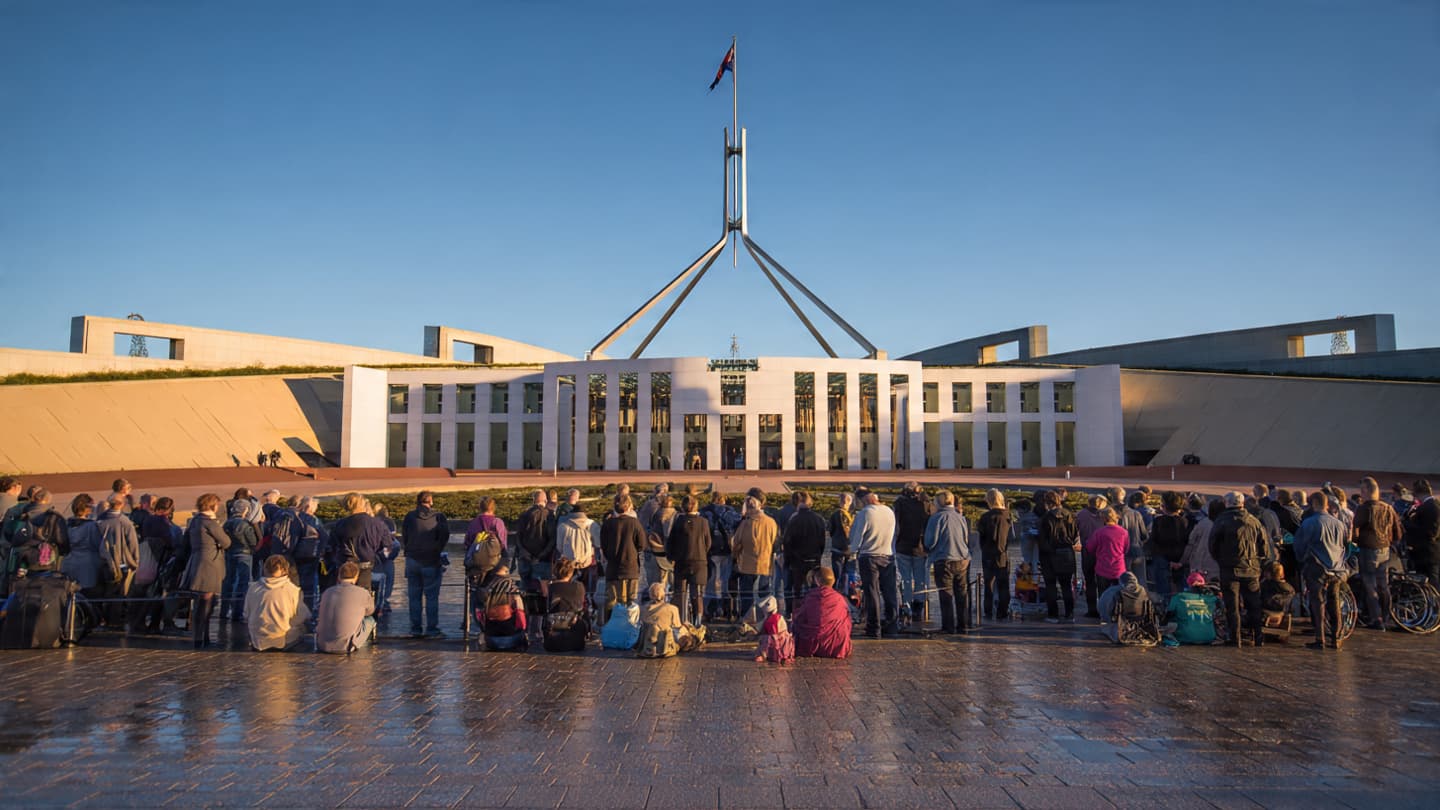
AI Image Disclaimer: The accompanying illustration for this article is AI-generated and intended solely for visual representation of the topic discussed.
Note: This article was published on BanxChange.com and is powered by the BXE Token on the XRP Ledger. For the latest articles and news, please visit BanxChange.com