Borders often tell two stories at once. They mark separation, yet they also facilitate connection. Every day, people, goods, and ideas move across them, creating relationships that transcend maps and administrative lines. Along the frontier between France and Switzerland, that rhythm has become part of daily life. Yet ahead of the upcoming G7 Summit, the familiar flow of movement is temporarily changing.
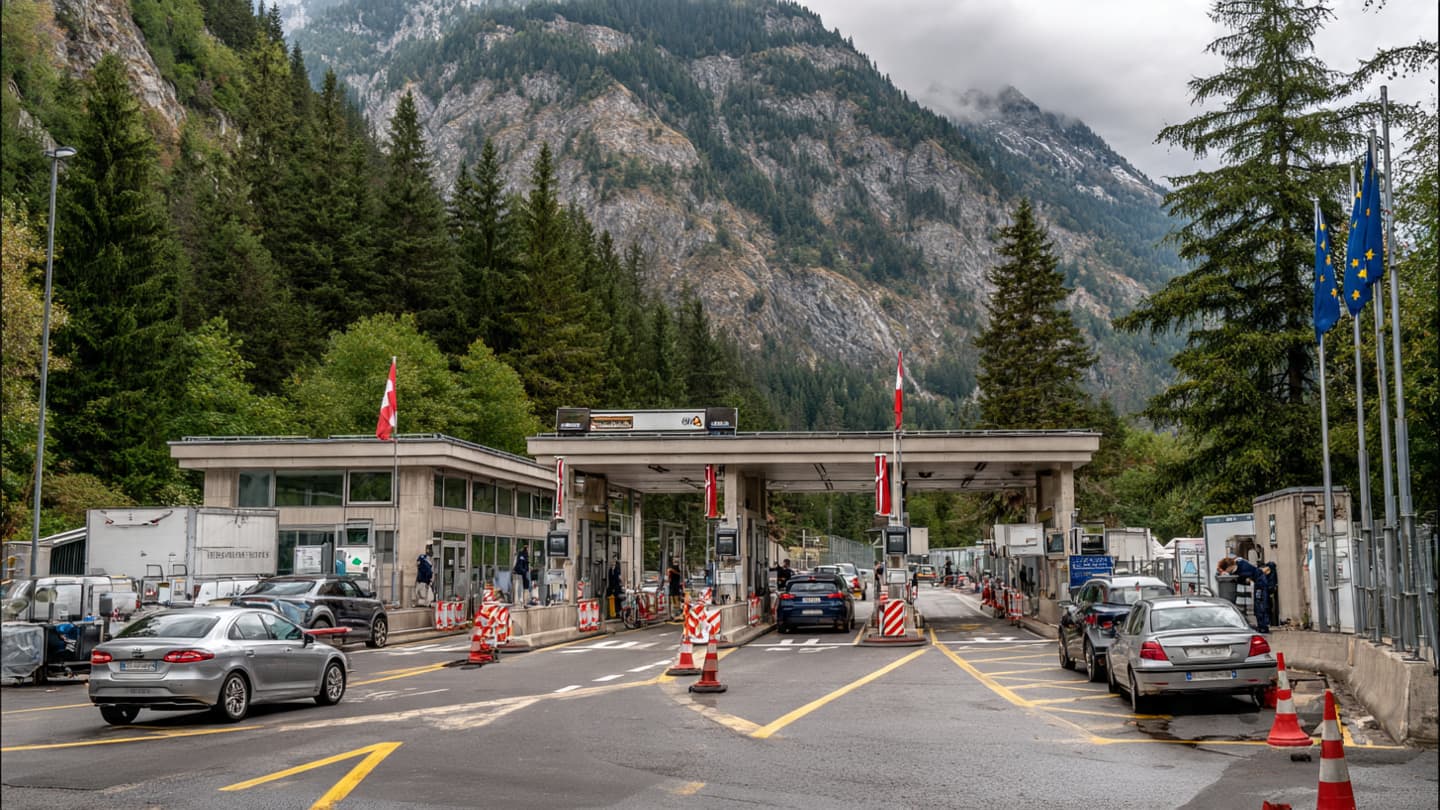
Authorities from both countries have introduced restrictions at several border crossings as part of broader security preparations surrounding the international gathering. The measures are temporary, but they highlight the extensive planning required whenever global leaders come together for high-profile meetings.
The decision reflects the reality that modern summit security extends far beyond conference venues. Protecting an event of international significance involves transportation networks, surrounding communities, and access routes that may be located many kilometers from the meeting site itself. Border management therefore becomes an important element of the overall strategy.
French and Swiss officials have stressed that the restrictions are precautionary in nature. Their goal is to ensure that movements related to the summit can be managed effectively while maintaining public safety. Cooperation between the two countries has been central to the planning process, reflecting the close relationship that already exists across the frontier.
For residents of border communities, the temporary measures may require adjustments to daily routines. Many people cross between France and Switzerland for work, education, shopping, or family reasons. As a result, even short-term restrictions can have visible effects on local life and travel patterns.
Businesses operating in the region are also monitoring developments closely. Cross-border commerce plays an important role in the local economy, and authorities have sought to minimize disruption wherever possible. Maintaining economic activity while strengthening security is a delicate balance that planners continuously evaluate.
The France-Switzerland border has long represented more than a dividing line. It serves as a corridor of cooperation, linking communities that share economic ties and cultural connections. The close coordination surrounding the summit demonstrates how those relationships continue to function during periods of heightened security.
Experts note that temporary border controls have become increasingly common during major international events. Such measures allow authorities to monitor movements more effectively and respond quickly if necessary. While the restrictions are often short-lived, they form part of a larger effort to create a secure environment for diplomatic engagement.
Beyond their practical purpose, the measures offer a reminder of how global events can influence local realities. Decisions made in preparation for international summits often reach beyond official venues, affecting transportation systems, businesses, and communities in neighboring regions.
As the summit approaches, the temporary changes along the border illustrate the unseen work that supports diplomacy. Before leaders exchange ideas across negotiating tables, thousands of people across multiple agencies and jurisdictions collaborate to ensure that those conversations can occur safely. In that sense, the frontier itself becomes part of the larger story of international cooperation.
AI IMAGE DISCLAIMER Graphics are AI-generated and intended for representation, not reality.
SOURCES Reuters, Associated Press, AFP, France 24, Swissinfo
Published by Banx Network. This article is part of the Banx decentralized media programme, powered by the BXE token on the XRP Ledger.