Across borders, organized crime rarely remains confined to a single country. Drug trafficking networks, financial operations, and violent organizations often stretch across regions, challenging governments to balance law enforcement, diplomacy, and public safety. As these threats evolve, so too do the legal tools used to confront them.
The United States has officially designated two additional Mexican criminal organizations—the Juárez Cartel and Los Viagras—as Foreign Terrorist Organizations (FTOs). The designation was published in the Federal Register, expanding the list of Mexican cartels subject to U.S. counterterrorism authorities and sanctions.
According to U.S. Secretary of State Marco Rubio, the two organizations meet the legal criteria for designation because they have either committed terrorist acts or present a significant threat to the security of U.S. nationals, national security, foreign policy, or the economy of the United States. The move builds upon previous designations made against six other Mexican cartels, including the Sinaloa Cartel and the Jalisco New Generation Cartel.
The Juárez Cartel has operated for decades along the Ciudad Juárez–El Paso border corridor, one of the busiest crossings between Mexico and the United States. The organization has long been associated with drug trafficking into the United States and has experienced shifting alliances and rivalries with other criminal groups operating throughout northern Mexico. Meanwhile, Los Viagras is based primarily in the western state of Michoacán, where authorities say it has been involved in extortion, synthetic drug production, and regional territorial disputes.
Under U.S. law, an FTO designation allows federal authorities to pursue broader financial sanctions, freeze assets under U.S. jurisdiction, prosecute individuals accused of providing material support, and expand investigative authorities targeting affiliated networks. Officials argue that these measures strengthen efforts to disrupt transnational criminal organizations operating across international borders.
The announcement also carries diplomatic implications. Mexican President Claudia Sheinbaum's administration has previously expressed concerns about U.S. actions involving organized crime, emphasizing Mexico's sovereignty while continuing bilateral cooperation on security and anti-trafficking efforts. Security cooperation between the two countries remains an important element of efforts to combat drug trafficking and organized violence.
Analysts note that the terrorist designation does not automatically authorize military action. Instead, it primarily expands legal and financial mechanisms available to U.S. agencies while increasing pressure on organizations and individuals that conduct business with or support the designated groups. The practical effects will depend on future enforcement, financial investigations, and international cooperation.
The latest designation represents another step in the evolving U.S. strategy toward transnational organized crime. As authorities continue targeting drug trafficking networks, both the United States and Mexico face the ongoing challenge of reducing violence, disrupting illicit financial systems, and strengthening long-term regional security through coordinated law enforcement efforts.
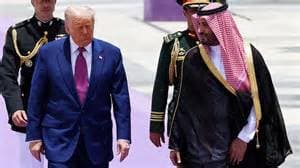
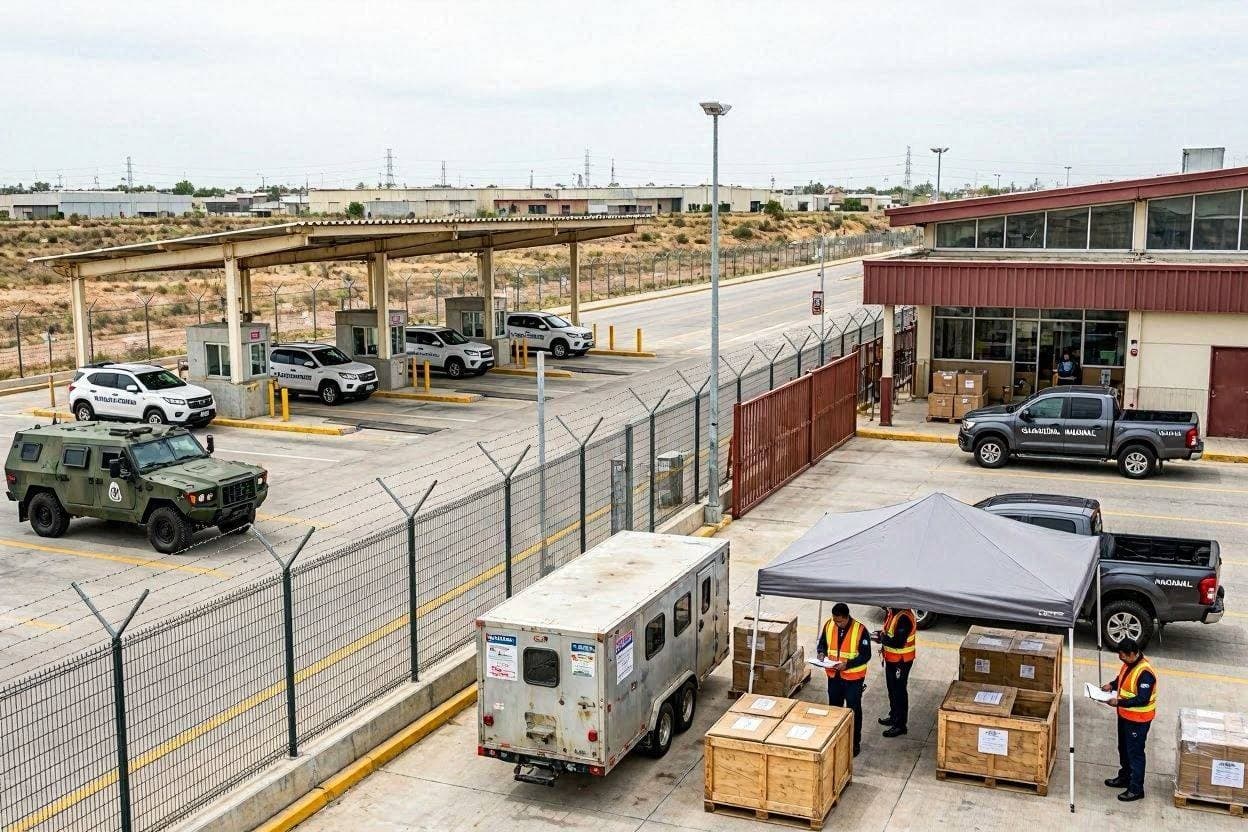
AI Image Disclaimer: The images accompanying this article are AI-generated visualizations intended to illustrate the subject matter and should not be interpreted as authentic photographs of the reported events.
Source Verification Check Credible sources identified:
Associated Press (AP) Reuters CBS News ABC News
Published by Banx Network. This article is part of the Banx decentralized media programme, powered by the BXE token on the XRP Ledger.