The air in the Caribbean carries a specific weight as June arrives, a subtle shifting of pressure that tells the observant eye that the season of storms has returned to these emerald latitudes. It is a time when the horizon seems to hold its breath, waiting for the first suggestion of a disturbance to ripple across the deep, rhythmic expanse of the Atlantic. For those living upon the hillsides of Grenada or drifting near its sun-drenched coves, this transition is a reminder of the delicate thread that binds human life to the volatile heart of the tropics. Nature, in its immense and cyclical power, offers no promises, leaving the inhabitants of these islands to walk a fine line between the joys of a radiant summer and the necessary preparations for what the winds might carry.
There is a reflective grace in the act of readying oneself against the unknown, a process that moves beyond mere utility and becomes a ritual of safeguarding the familiar. The U.S. Embassy has issued a formal notice to citizens, marking the official commencement of the 2026 hurricane season, a period extending through the end of November. This season is expected to bring a range of atmospheric phenomena, with forecasts predicting several named storms and a possibility of major hurricanes. Such statistics, while dry and scientific, serve as the architecture for a more profound conversation about resilience, preparedness, and the collective memory of the islands.
To look upon the preparations currently underway is to see a community acknowledging the gravity of its geography. From the simple act of organizing a waterproof kit containing vital documents and medicines to the more complex coordination of evacuation strategies, every action is a testament to foresight. It is an admission that while we cannot temper the ferocity of the wind or dictate the path of a swirling cyclone, we can dictate our own response to the uncertainty. The emphasis on enrollment in traveler programs and the acquisition of insurance reflects a sober, calculated approach to living in a place defined by its raw, elemental beauty.
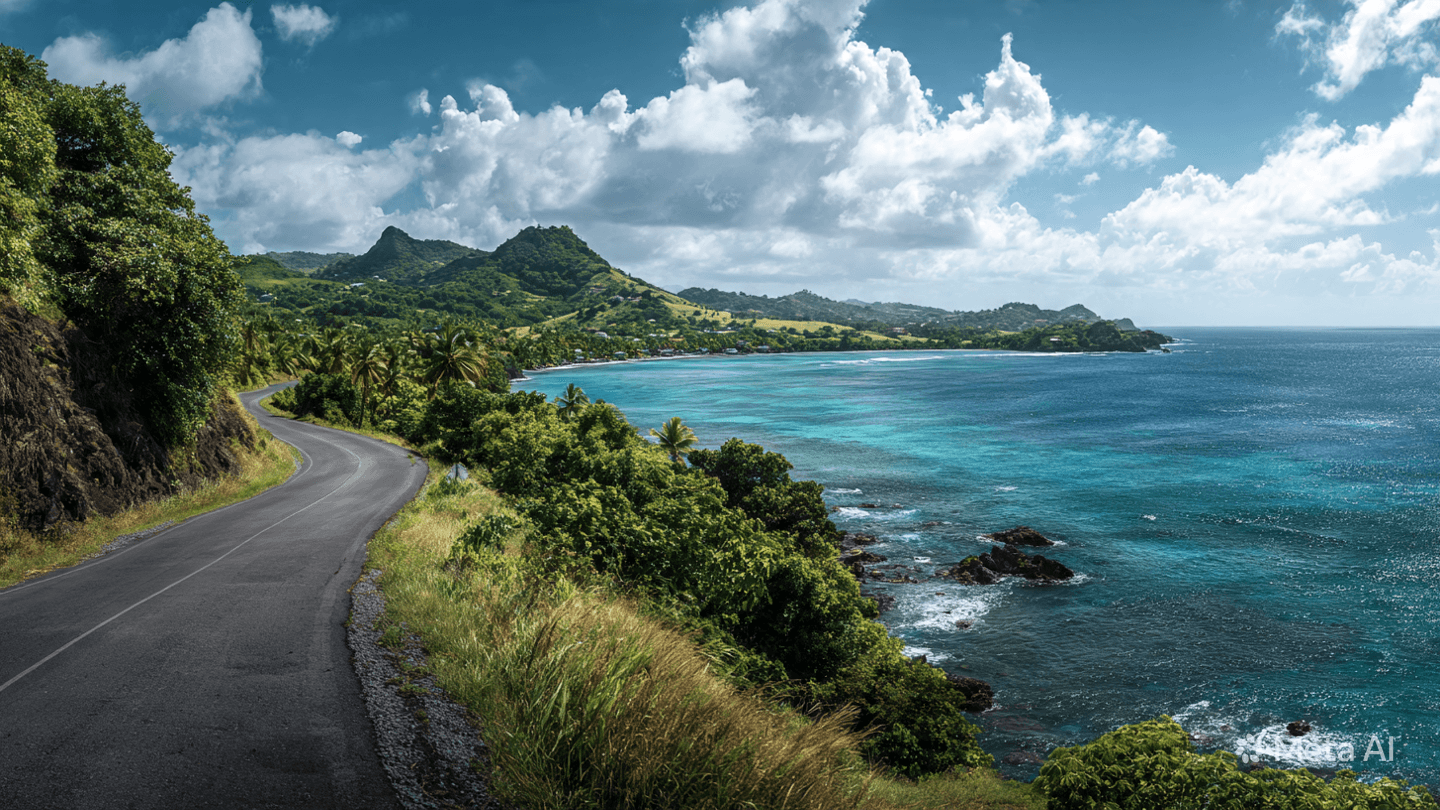
The landscape itself seems to participate in this seasonal pivot, as if the flora and the very earth are bracing for the potential upheaval of the months ahead. Roads that wind through the lush, verdant interior may soon face the tests of heavy rainfall or debris, a reminder that the physical infrastructure of an island is often at the mercy of the elements. For the visitor, the rhythm of a holiday is suddenly punctuated by the need to stay informed, to keep an ear tuned to the whispers of the National Hurricane Center and the local stations that act as the steady pulse of the region. It is a shift from the carefree abandon of travel to a grounded, communal vigilance.
This period of vigilance is not meant to cast a shadow over the splendor of the islands, but rather to foster a deeper understanding of the environment. The sea, so often viewed as a playground of turquoise brilliance, reveals its capacity for immense force during these months. To respect the season is to respect the ocean, recognizing that the currents beneath the surface and the clouds gathering above are part of an ancient, unyielding narrative. By fostering this awareness, those who reside here or wander through these shores find a sense of harmony that comes from being prepared for the inevitable shifts of time and weather.
As the season unfolds, the interplay between human endeavor and the unpredictable Atlantic will continue to be the central theme of daily life. Communication lines become lifelines, and the presence of neighbors and local authorities becomes the primary source of stability. It is a time of waiting and watching, where every clear sky is cherished and every grey horizon is met with a quiet, practiced resolve. In this space between calm and potential turbulence, there exists a profound humanity, grounded in the simple necessity of protecting one another against the unseen movements of the natural world.
The United States Embassy has advised citizens in Grenada to monitor local radio, weather updates, and reports from the National Hurricane Center throughout the 2026 Atlantic hurricane season, which runs from June 1 to November 30. Travelers are encouraged to prepare emergency supplies, ensure travel insurance is in place, and register with the Smart Traveler Enrollment Program to receive timely security updates. The Embassy further suggests maintaining close contact with tour operators and local officials to ensure clear guidance should weather conditions deteriorate during the summer and autumn months.
Published by Banx Network. This article is part of the Banx decentralized media programme, powered by the BXE token on the XRP Ledger.