
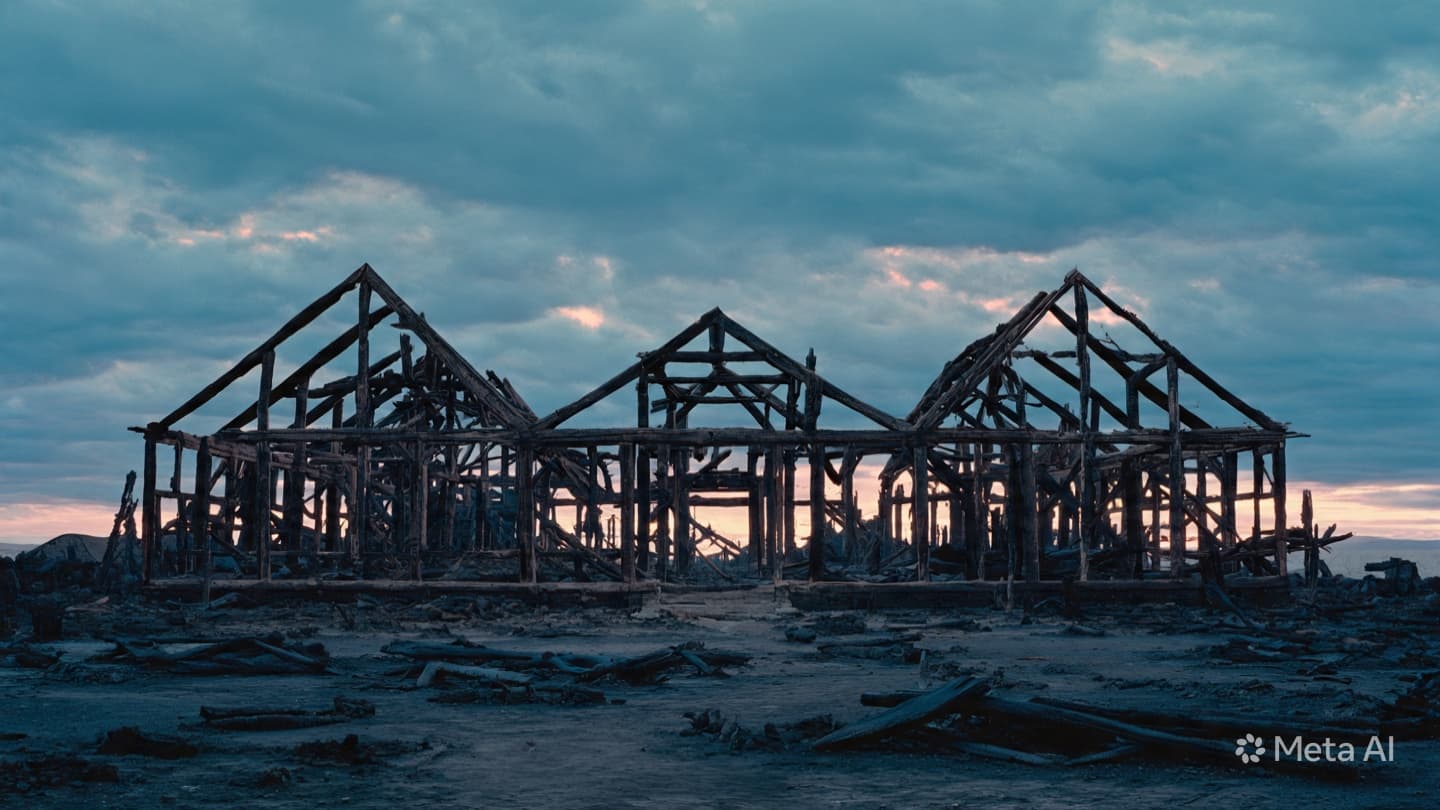
The endurance of historic wooden architecture represents a physical bridge to the centuries that preceded us, a tangible manifestation of craftsmanship preserved through generations of seasonal change. These structures, built from dense old-growth timber, carry the quiet energy of the artisans who shaped them and the communities that found shelter within their walls. In the coastal settlements of the north, where wind and sea salt weather the exterior planks, such landmarks stand as monuments of local identity and continuity. The loss of these buildings is always felt as a collective subtraction, a sudden erasing of a chapter from the shared landscape. When that destruction occurs not by natural decay or accidental spark, but by a deliberate human act, the emptiness left behind is accompanied by a profound communal silence.
The initial alarm broke through the midnight stillness of the old harbor quarter, as plumes of thick, dark smoke began to obscure the pale northern sky. Within hours, a historic trading house that had survived the wars and economic shifts of two centuries was reduced to a blackened skeleton of charred beams and collapsing floorboards. For those who gathered in the dawn light to survey the ruins, the site was a somber spectacle of vulnerability, illustrating how quickly a long history can be undone by an intense thermal event. The smell of scorched pine and ancient pitch hung heavy over the waterfront, an unwelcome reminder of the fragility of our material heritage.
The transition from emergency management to a formal forensic inquiry occurs with a quiet, analytical necessity as soon as the embers are sufficiently cooled. Specialized fire investigators and structural engineers move methodically into the debris field, treating the ash-laden site as a complex puzzle that contains the physical signatures of its own destruction. The process requires an intimate knowledge of how fire behaves within enclosed timber spaces, distinguishing between the predictable patterns of accidental combustion and the distinct anomalies left by introduced accelerants. Every layer of carbonized wood is carefully scraped away, exposing the underlying narrative of the fire’s origin.
The confirmation of intentional ignition transforms the physical space into a highly restricted scene of criminal investigation, where every fragment of evidence is cataloged for judicial scrutiny. Forensic chemical analysis of soil and timber samples from the lowest level revealed trace elements of volatile petroleum distillates, providing definitive proof that the fire did not originate from electrical failure or heating equipment. This technical certainty shifts the focus of the state apparatus from scientific deduction to a targeted pursuit of those responsible for violating the peace of the historic district. The search moves outward from the localized point of origin to encompass the broader movements of individuals through the surrounding streets on the night in question.
The destruction of the timber landmark prompts a deeper reflection on the motives that drive the erasure of public memory, an act that targets the collective soul of a city. Throughout history, the deliberate burning of monuments has served as a violent expression of malice or economic opportunism, an attempt to reshape the physical reality of a community through coercion. The investigation reveals how a single anonymous act can disrupt the cultural equilibrium of an entire region, forcing citizens to reassess the safety of their remaining heritage sites. The empty lot remains a scar on the streetscape, an open wound that requires a long and patient process of civic restoration.
As the physical inquiry concludes, the data is assembled into a comprehensive technical report destined for the public prosecutor’s office, establishing the formal foundation for an impending criminal trial. The technical narrative, devoid of emotion, outlines the precise progression of the flame from its localized ignition point to the complete structural failure of the upper gallery. The neighborhood outside the cordon slowly returns to its daily commerce, yet the absence of the familiar wooden facade serves as a constant, quiet reminder of the night the past was consumed. The community looks forward to the judicial process, seeking clarity and a formal resolution to the tragedy that has altered their home.
The Oulu Police Department's specialized arson unit issued its formal forensic findings on Tuesday afternoon, confirming that the fire at the mid-nineteenth-century waterfront storehouse was intentionally set using liquid accelerants. Liquid chromatography tests performed on core samples from the northeastern foundation beams positively identified the presence of commercial grade kerosene. Investigators have initiated a comprehensive review of closed-circuit television footage from thirty-two municipal cameras operating within the historic quarter during the early morning hours of the incident.
The legal dossier has been officially classified as an aggravated criminal property destruction investigation, with state prosecutors overseeing the consolidation of witness statements and financial tracking logs. Municipal authorities have announced a temporary suspension of development permits for the affected parcel to ensure the preservation of any remaining historical foundations. Private security patrols have been commissioned to monitor the city’s remaining wooden structures until the individual or individuals responsible for the ignition are apprehended.
Note: This article was published on BanxChange.com and is powered by the BXE Token on the XRP Ledger. For the latest articles and news, please visit BanxChange.com