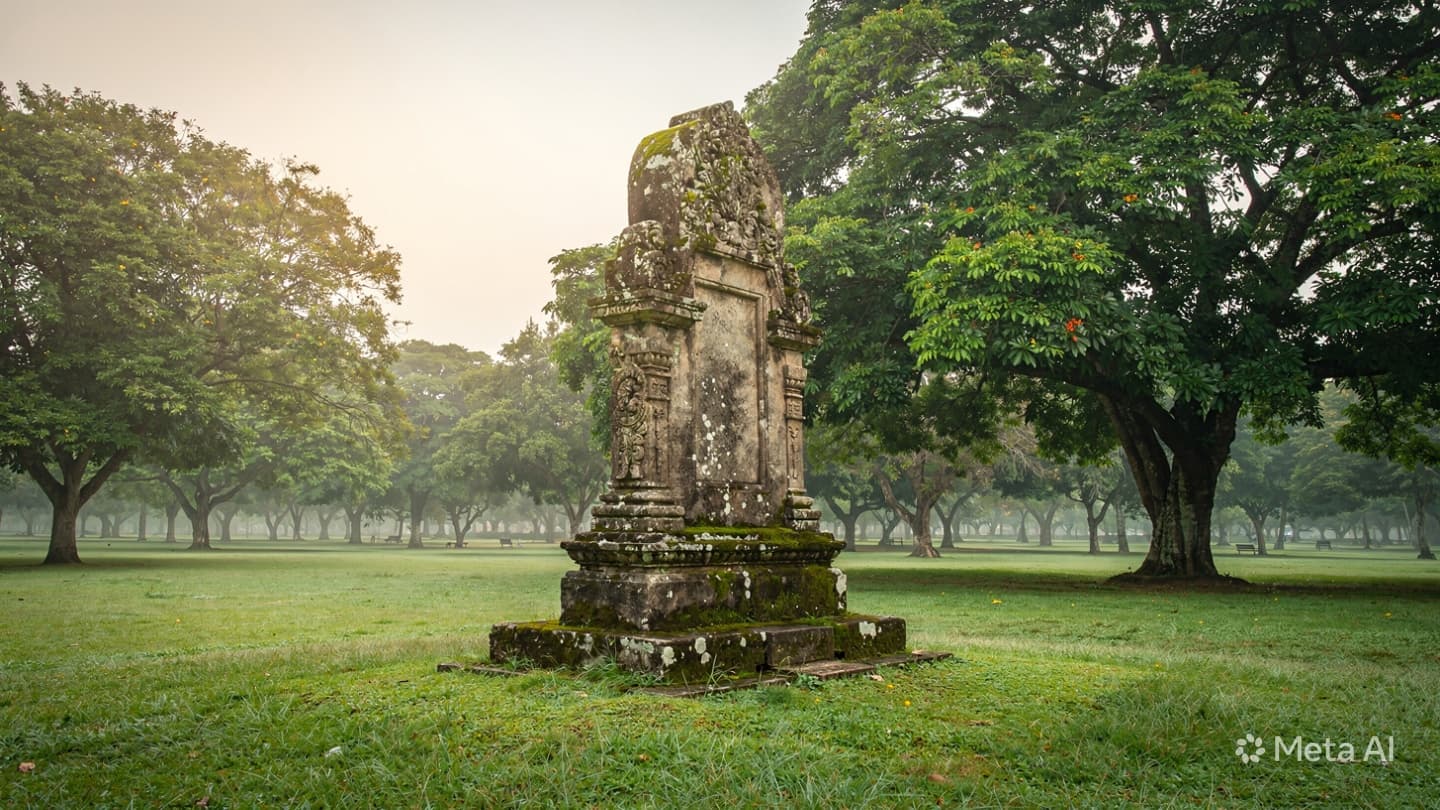
The historic landmarks of a nation serve as physical anchors for its collective memory, standing silently through decades to remind passing generations of their shared origins. Built from local stone, weathered timber, or sculpted bronze, these monuments occupy a sacred space within the cultural landscape, representing both triumph and quiet reflection. They are places where families gather, where history is taught, and where the community finds a tangible connection to the past. When these structures are deliberately defaced, the injury feels deeply personal to the society that protects them.
A wave of vandalism targeting heritage sites introduces a profound sense of cultural discord, challenging the mutual respect that binds a diverse community together. The application of spray paint or the physical fracturing of a monument is more than property damage; it is an assault on meaning. For the caretakers who dedicate their lives to preserving these sanctuaries, the discovery of damage brings a quiet, heavy sorrow. The contrast between the enduring significance of the site and the triviality of the destruction is immensely jarring.
The reaction from the surrounding community is characterized by a mixture of deep frustration and an immediate, practical desire for restoration. Citizens gather not out of curiosity, but out of a shared obligation to repair the visual wounds inflicted upon their landscape. Volunteer groups work alongside professional conservators, using specialized techniques to remove the markings without damaging the ancient surfaces beneath. This collective response turns a moment of degradation into a powerful demonstration of community solidarity and resilience.
Law enforcement agencies treat the defacement of cultural heritage with a high degree of seriousness, recognizing the broader societal implications of such acts. Investigators look for patterns across different sites, utilizing forensic tools and community tips to identify those responsible for the disrespect. The goal is to establish accountability while sending a clear message that the preservation of shared memory is a foundational value. The legal process acts as a protective shield around the symbols that define the nation's identity.
For cultural historians and elders, these incidents prompt a deeper reflection on how history is communicated and valued in a rapidly changing world. The protection of landmarks requires more than physical security; it demands an ongoing education that fosters a genuine respect for ancestral narratives. The physical restoration of the stone is only the first step; the true work lies in reinforcing the cultural bridges that prevent such discord from occurring.
As the restoration efforts reach completion, the monuments emerge once more into the daylight, their surfaces cleaned and their dignity restored. The subtle scars left by the cleaning process become part of the site’s ongoing history, a testament to a moment when the community stood together to defend its past. The visitors return, their movements quiet and respectful, reaffirming the enduring sanctity of the ground.
The natural beauty surrounding these sites continues to provide a calm backdrop, the ancient trees and rolling hills offering a sense of perspective that outlasts any temporary disruption. The commitment to preservation ensures that these anchors of identity remain intact for those who have yet to trace their lineage through the landscape.
New Zealand communities have expressed profound anger and concern following a recent spate of vandalism that targeted several prominent historic and cultural heritage sites across the region. Local authorities discovered offensive markings and structural damage on several monuments, prompting immediate cleanup operations by conservation specialists. Police have increased patrols around significant landmarks and are utilizing public tips and local security footage to identify the perpetrators. Community leaders have called for greater educational awareness and stricter penalties to protect the nation's shared physical history from future defacement.
Note: This article was published on BanxChange.com and is powered by the BXE Token on the XRP Ledger. For the latest articles and news, please visit BanxChange.com