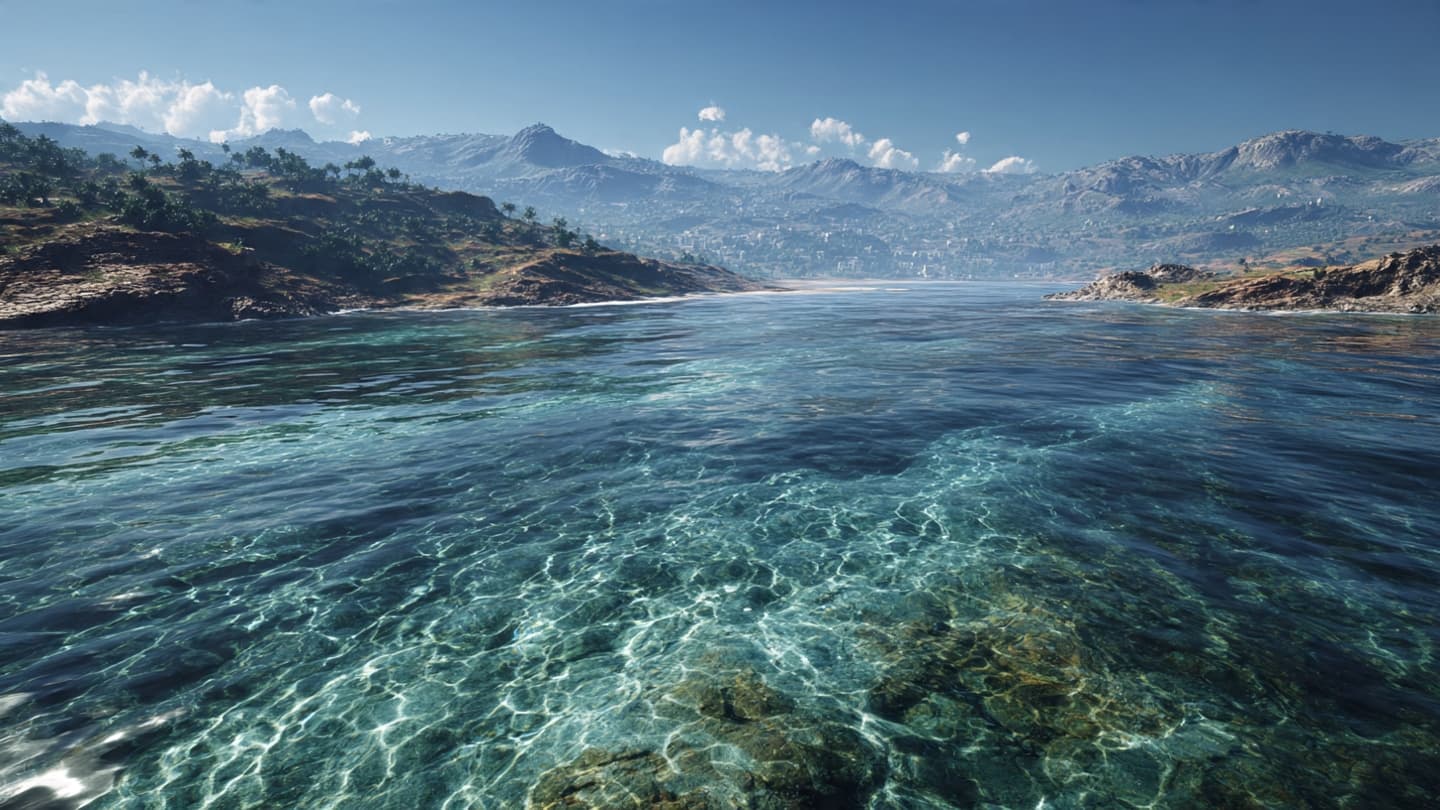
The Mediterranean Sea has long been a crossroads of civilizations, where calm waters often mask deep geological activity beneath. Recent assessments highlighting tsunami risk in the region bring renewed attention to the delicate balance between stability and natural force.
Scientific agencies and geological monitoring groups have pointed out that the Mediterranean region sits on complex tectonic boundaries. These boundaries, while not always visibly active, are capable of generating significant seismic events under certain conditions.
Historical records show that tsunamis have occurred in the region in the past, sometimes with devastating local impacts. While such events are relatively rare compared to oceanic subduction zones, their potential consequences remain significant due to dense coastal populations.
Modern modeling techniques allow researchers to simulate wave propagation across enclosed seas like the Mediterranean. These simulations help identify vulnerable coastal areas and estimate how quickly warning systems must respond.
UNESCO and related scientific bodies emphasize preparedness rather than inevitability in a deterministic sense. The term often reflects geological probability over long time scales rather than immediate prediction of an event.
Coastal infrastructure, tourism hubs, and cultural heritage sites are all part of ongoing risk assessments. The challenge lies in balancing economic activity with long-term safety planning.
Early warning systems, seismic monitoring networks, and public education campaigns are increasingly central to regional preparedness strategies. These tools aim to reduce response time and improve evacuation efficiency when necessary.
The Mediterranean’s tsunami risk serves as a reminder that even historically calm waters are shaped by deeper geological forces. Preparedness remains the central message of modern scientific assessment.
AI Image Disclaimer: All images accompanying this article are AI-generated for illustrative purposes.
Sources (media names only): UNESCO, European-Mediterranean Seismological Centre, Nature Geoscience, Reuters, Science Daily
Published by Banx Network. This article is part of the Banx decentralized media programme, powered by the BXE token on the XRP Ledger.