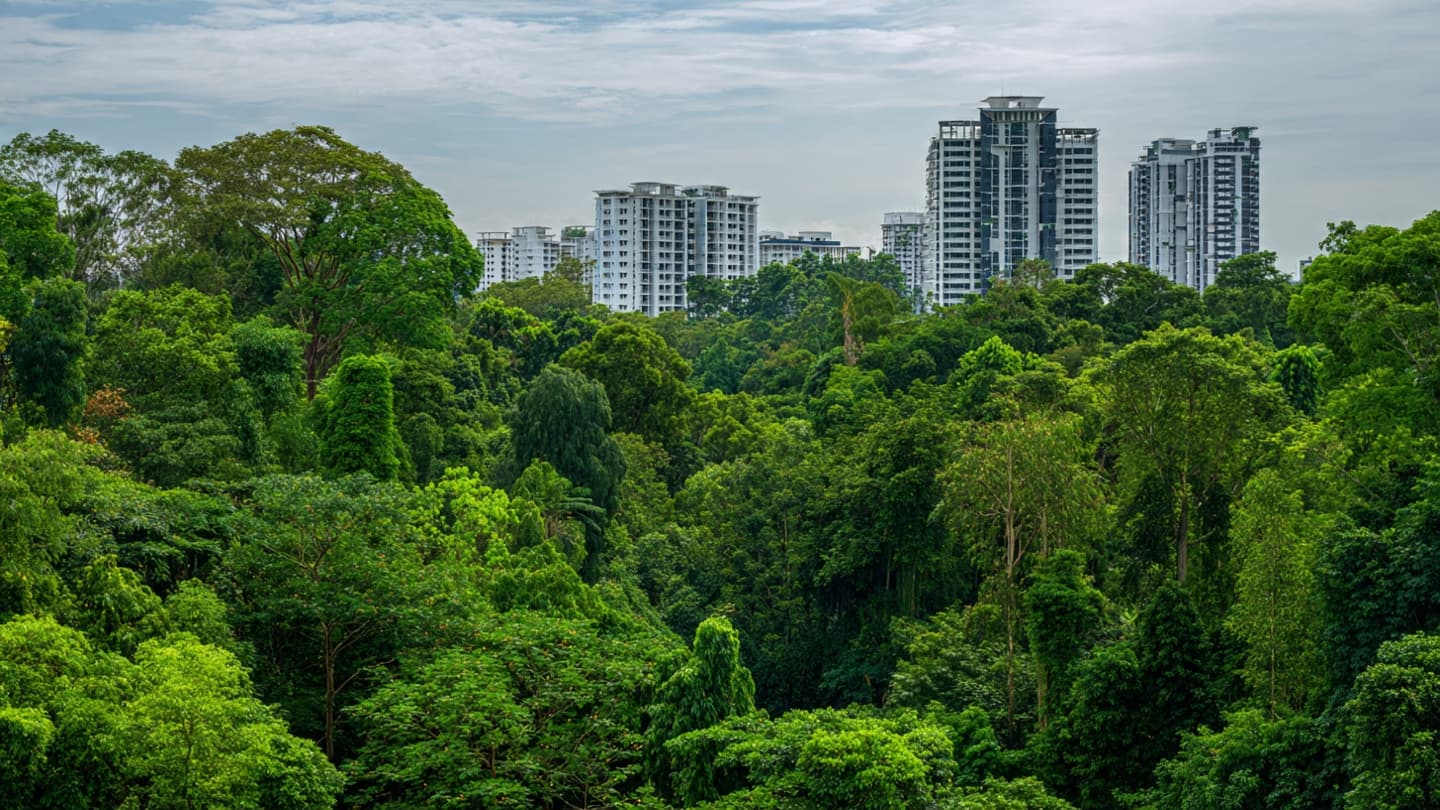
The national parks of Madagascar are ancient, irreplaceable sanctuaries of biodiversity, where rare lemurs move through dense canopies and unique ecosystems have evolved over millions of years. Within these protected forests, the air is thick with the scent of damp earth, moss, and the heavy timber of slow-growing hardwoods that form the backbone of the wilderness. Among these treasures, the rosewood tree stands as a silent monarch, its rich, dark heartwood highly prized across international luxury markets for its beautiful grain and density.
This immense value has turned these pristine reserves into targets for sophisticated and destructive illegal logging networks. Armed crews infiltrate the deep interiors of the parks, felling centenarian trees with chainsaws that break the natural silence of the jungle, leaving behind massive scars in the delicate undergrowth. The extraction process is brutal, requiring teams of workers to drag the heavy logs through pristine river systems, causing widespread ecological degradation that threatens the survival of endangered species.
A coordinated federal operation has been launched to dismantle these illicit logging networks and re-establish state authority over the vulnerable national parks. Ranger units, supported by specialized police detachments, have established forward operational bases within the forest interiors to intercept logging crews and secure illegal timber depots. The intervention represents a critical stand against a trade that strips the island of its natural heritage for short-term criminal profit.
For the conservationists and local communities who act as guardians of these forests, the enforcement action is a vital but dangerous necessity. Confronting these logging networks requires navigating a complex web of corruption and local exploitation, as the syndicates often employ vulnerable villagers to perform the arduous physical labor. The struggle to save the rosewood is fundamentally a struggle to protect the long-term ecological viability of the island’s remaining wilderness.
Following recent raids, vast quantities of confiscated rosewood logs sit stacked near park headquarters, their freshly cut ends revealing the deep red hue that makes them so coveted. The physical evidence speaks to the industrial scale of the plunder, which utilizes hidden river transport networks to move the timber toward coastal shipping points. Forest researchers are working alongside investigators to map the damage and develop long-term restoration strategies for the breached ecosystems.
The long-term preservation of these habitats will require more than tactical enforcement; it demands addressing the global demand that fuels the black market and providing sustainable economic alternatives for forest communities. Until the economic incentives are shifted, the ancient trees will remain vulnerable to the pull of international commerce.
As night falls over the eastern rainforests, the rain begins to patter against the dense leaves, washing the sawdust from the remaining ancient trunks. The rangers maintain their silent watch from their hidden outposts, listening to the natural sounds of the night, ready to defend the sanctuary against the return of the saws.
Madagascar police and environmental rangers have executed a major crackdown on illegal rosewood logging networks operating within protected national parks. The joint operation resulted in the dismantling of several illicit logging camps, the seizure of high-value timber stockpiles, and the arrest of multiple suspected traffickers. Environmental ministry officials stated that surveillance measures within sensitive ecological zones will be permanently heightened to prevent further habitat destruction.
Note: This article was published on BanxChange.com and is powered by the BXE Token on the XRP Ledger. For the latest articles and news, please visit BanxChange.com