
Among the many promises that accompany a new administration, large social programs often resemble a river at the beginning of its journey—broad in ambition, yet constantly shaped by the landscape it crosses. Indonesia's nationwide free meal program, introduced as one of President Prabowo Subianto's flagship initiatives, is now entering a period of reassessment.
The Indonesian government is reportedly considering significant reductions to the budget allocated for the program. Officials have indicated that spending efficiencies are being reviewed as part of broader efforts to maintain fiscal discipline while preserving essential public services.
The free meal initiative was designed to provide nutritious meals for schoolchildren and vulnerable groups throughout the archipelago. Supporters argue that the program could improve child nutrition, strengthen human capital, and stimulate local agricultural supply chains.
However, implementing a program of such scale across thousands of islands presents substantial logistical and financial challenges. Rising operational costs, distribution complexities, and concerns over long-term sustainability have prompted policymakers to revisit spending priorities.
Government officials have emphasized that any budget adjustments would not necessarily mean abandoning the initiative. Instead, discussions have focused on refining implementation mechanisms, improving targeting, and ensuring that available resources are used more efficiently.
Economists note that maintaining Indonesia's fiscal stability remains a central consideration. By law, Indonesia seeks to keep its budget deficit within established limits, making expenditure reviews a routine component of national financial management.
Analysts also point out that balancing social welfare ambitions with fiscal prudence is a challenge faced by many emerging economies. The outcome of the review may shape not only the future of the meal program but also broader perceptions of Indonesia's economic governance.
As discussions continue, ministries are expected to conduct further evaluations before final decisions are announced. The government has reiterated that improving public welfare remains a priority, even as spending strategies evolve.
The coming months are likely to determine how Indonesia balances expansive social goals with financial sustainability, a balancing act that many nations continue to navigate.
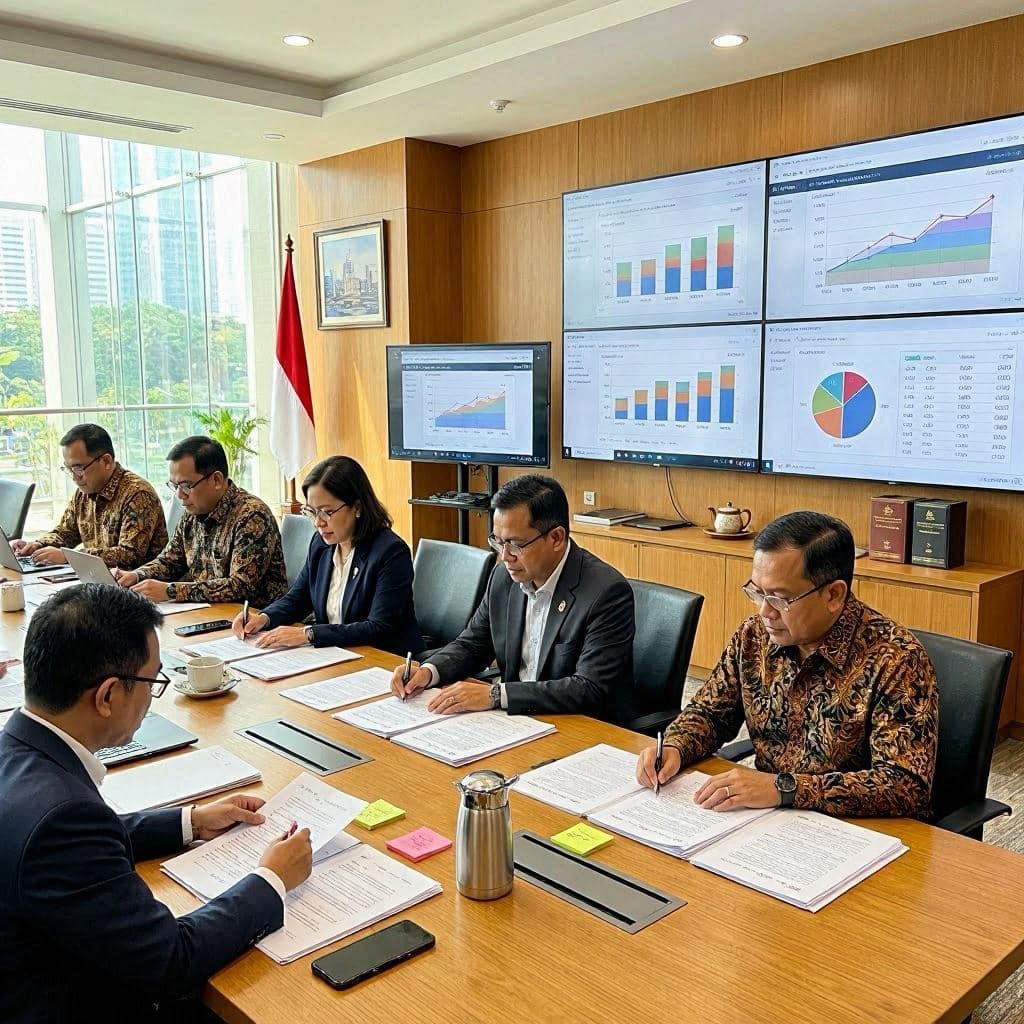
AI Image Disclaimer: This article includes AI-generated illustrations created solely for editorial visualization.
Source Verification Check: Reuters, Bloomberg, The Jakarta Post, Antara
Note: This article was published on BanxChange.com and is powered by the BXE Token on the XRP Ledger. For the latest articles and news, please visit BanxChange.com