
Medical diagnostics has long relied on laboratory tests that require time, resources, and careful analysis. Yet in many parts of the world, delays in diagnosis can affect how quickly patients receive treatment. In this context, new rapid testing methods are beginning to reshape expectations.
Recent developments in biomedical research have introduced a rapid swab-based method for detecting anemia-related conditions within approximately 30 minutes. Unlike traditional blood draws, this approach aims to simplify sample collection while maintaining diagnostic accuracy.
Researchers working in clinical diagnostics and biomedical engineering have explored biomarkers that can be detected through oral or surface-level biological samples. These markers may correlate with hemoglobin levels or iron deficiency, which are key indicators of anemia.
The potential advantage of such technology lies in accessibility. Faster testing could improve screening in remote or underserved regions where laboratory infrastructure is limited.
Healthcare experts note that anemia remains a widespread global health issue, particularly affecting children and pregnant women. Early detection is essential for preventing complications and guiding nutritional or medical interventions.
However, scientists also emphasize that rapid diagnostic tools must undergo extensive validation before widespread clinical adoption. Accuracy, reliability, and standardization remain critical factors in determining their effectiveness.
If proven successful at scale, such technologies could complement existing blood-based testing rather than replace it entirely, offering a faster preliminary assessment tool.
As research continues, rapid diagnostic innovation reflects a broader shift toward making healthcare more immediate and accessible, while still maintaining scientific rigor and clinical safety.
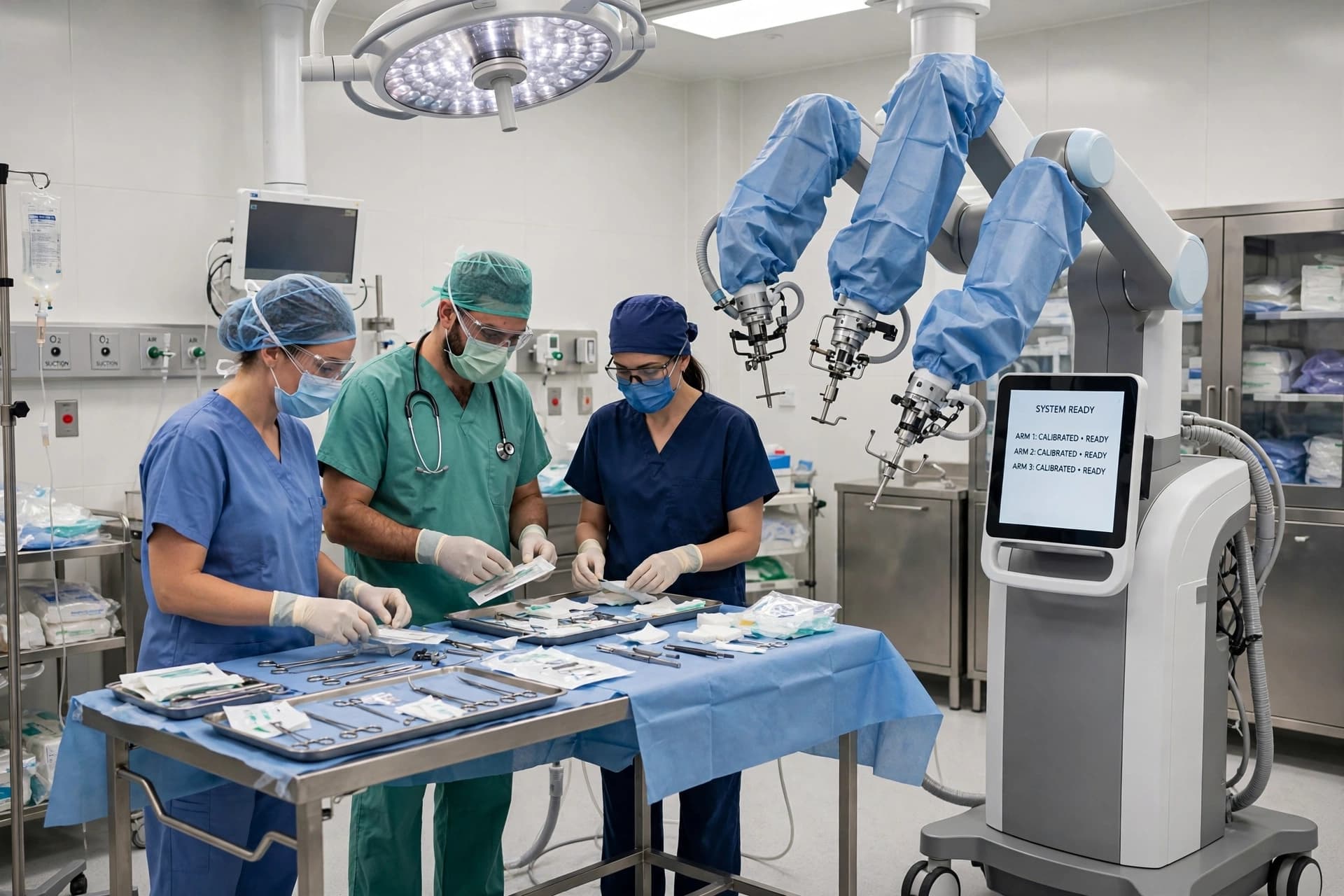
AI Image Disclaimer: Visual materials are AI-generated conceptual illustrations intended for educational presentation.
Sources: NIH, WHO, Nature Biomedical Engineering, Science Translational Medicine, Medical News Today
Published by Banx Network. This article is part of the Banx decentralized media programme, powered by the BXE token on the XRP Ledger.

.jpg&w=3840&q=75 "Qantas Grounds Plane After Passengers Report Bedbug Bites")