
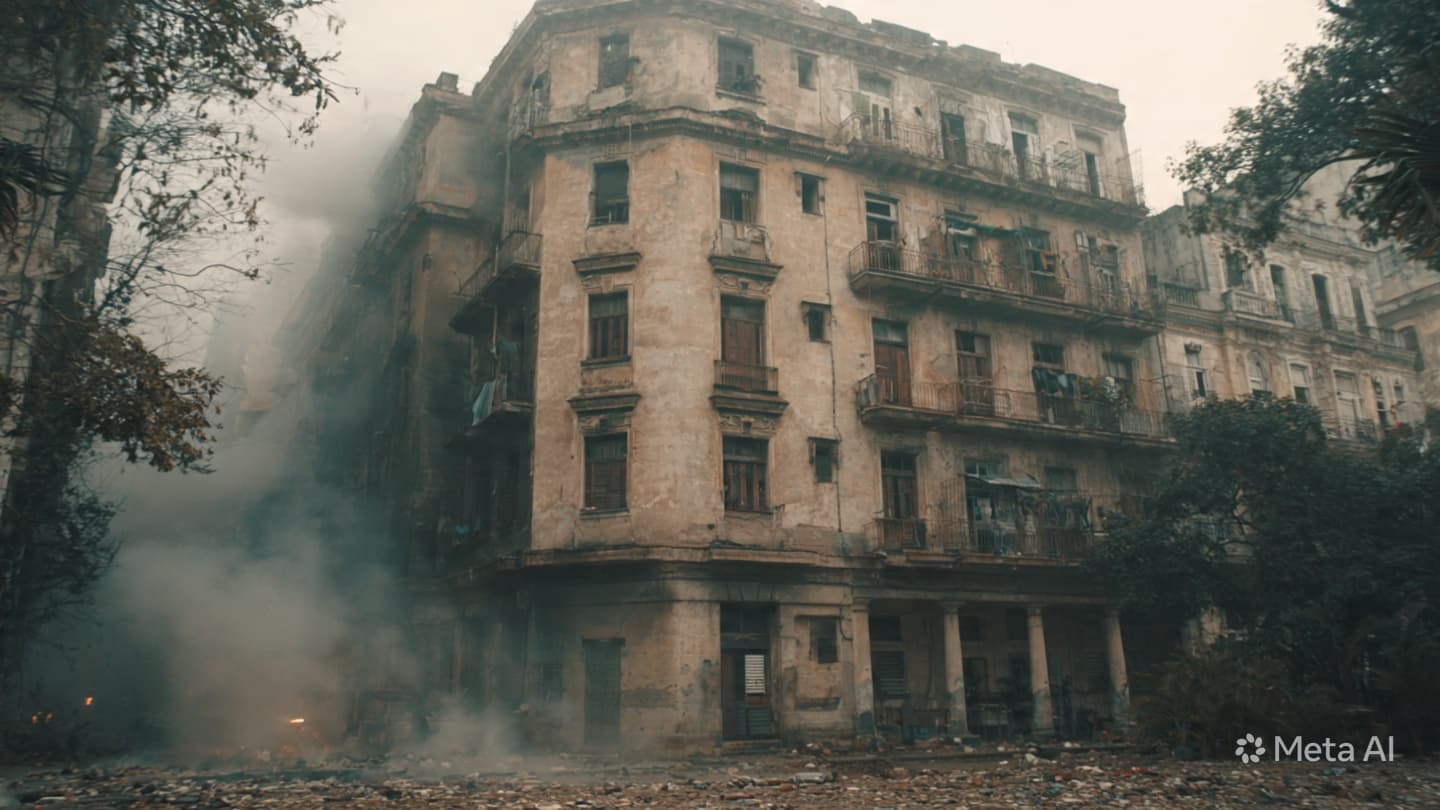
The rhythm of life in Central Havana is often defined by the familiar, intimate sounds of the neighborhood—the morning call of vendors, the slow transition of light across weathered balconies, and the constant, human hum of a city that refuses to be still. When that rhythm is violently disrupted by the sudden, percussive force of an explosion, the neighborhood’s character is altered in a heartbeat. It is a moment of profound, visceral shock, as the solid walls we rely upon for shelter suddenly become instruments of tragedy, exposing the hidden, fragile nature of our domestic existence.
To find oneself near the site of such a disaster is to feel the sudden, jarring disconnect between the normalcy of a morning and the devastation of a wreck. The debris, scattered across the cobblestones, carries the weight of a life abruptly silenced, turning a home into a site of profound mourning. The atmosphere is thick with a mixture of disbelief and the metallic scent of a recent, violent failure, leaving neighbors to grapple with the realization that the danger was not an external threat, but a silent, unseen variable hidden within the walls of their own living spaces.
The response from the emergency services is a study in precision and sorrow. As they work to stabilize the surrounding structures and provide care for the injured, their actions are the only bridge between the raw, chaotic energy of the blast and the long-term necessity of restoration. It is a grueling, clinical, and deeply empathetic labor, carried out in the glare of a city that is struggling to understand how such a sudden, absolute loss could occur within the familiar intimacy of an apartment unit.
One cannot help but reflect on the broader, systemic vulnerabilities that define the housing of our historic center. The city’s aging infrastructure, while rich in character and history, requires a level of modern maintenance that often falls behind the relentless, creeping decay of time. This explosion serves as a stark, unavoidable prompt to address the hidden hazards that persist behind our ornate, crumbling facades, ensuring that the legacy of our city is not built upon the foundation of such avoidable tragedies.
Administrative efforts to investigate the cause—the specific sequence of events that led to the leak and the ignition—are currently underway. This is a task that carries the heavy weight of the public’s grief, as the community seeks not just a technical explanation, but a measure of reassurance. The investigation is a necessary, painstaking search for the truth, an attempt to reconstruct the final moments of a life that was taken by an accident that no one saw coming, but which everyone now feels the impact of.
As the neighborhood begins the slow, deliberate process of clearing the rubble and assessing the damage to neighboring homes, the loss is felt as a communal burden. The victim, a member of the fabric that makes Havana what it is, leaves behind a silence that is far louder than the explosion itself. The recovery of the area will be a long, quiet task, marked by the shared sorrow of those who live in the shadows of the city’s historic walls, and a collective determination to ensure that the peace of their homes is guarded with greater, more vigilant care.
Authorities in Central Havana have confirmed that a residential apartment was destroyed in a fatal gas explosion, resulting in one confirmed death. Emergency responders successfully evacuated surrounding units to prevent further casualties, and municipal gas inspectors are currently auditing the building’s utility lines to determine the root cause of the leak. The victim’s family is receiving support from local social services, and the site remains cordoned off as structural engineers evaluate the safety of the remaining residential block.
Note: This article was published on BanxChange.com and is powered by the BXE Token on the XRP Ledger. For the latest articles and news, please visit BanxChange.com